$4.50
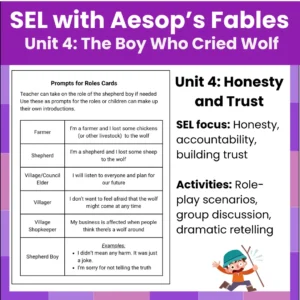
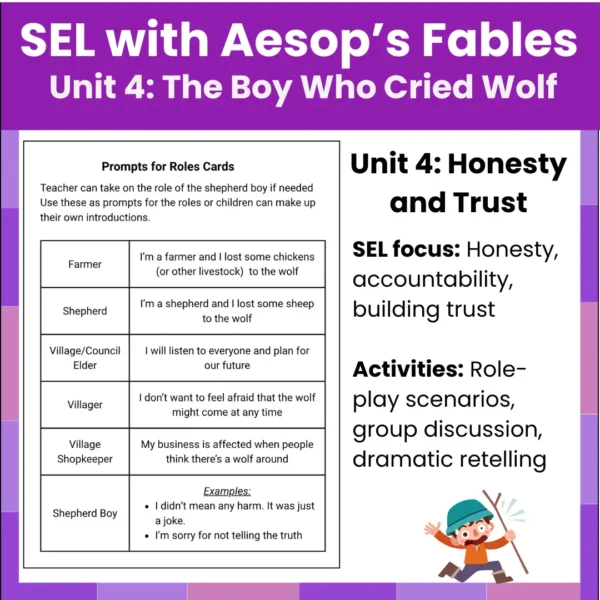
Wish you had more engaging, impactful activities to boost your students’ social-emotional learning (SEL)? Get ready to transform your classroom with “Aesop’s Fables SEL with Creative Drama (Unit 4: The Boy Who Cried Wolf). This resource provides a fun, easy-to-use, and deeply effective way to teach valuable SEL skills through the power of creative drama.
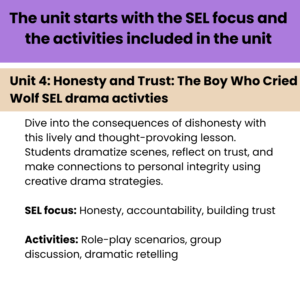
Dive into the consequences of dishonesty with this lively and thought-provoking lesson. This tale can sound hilarious at first but as the story unfolds, it’s evident that the boy’s tricks lead to a disastrous situation. It makes us consider playing jokes and telling lies and the consequences of our words and actions. It reminds us that trust takes time to build especially if the trust has been broken before. Our words and actions shape how others see us.
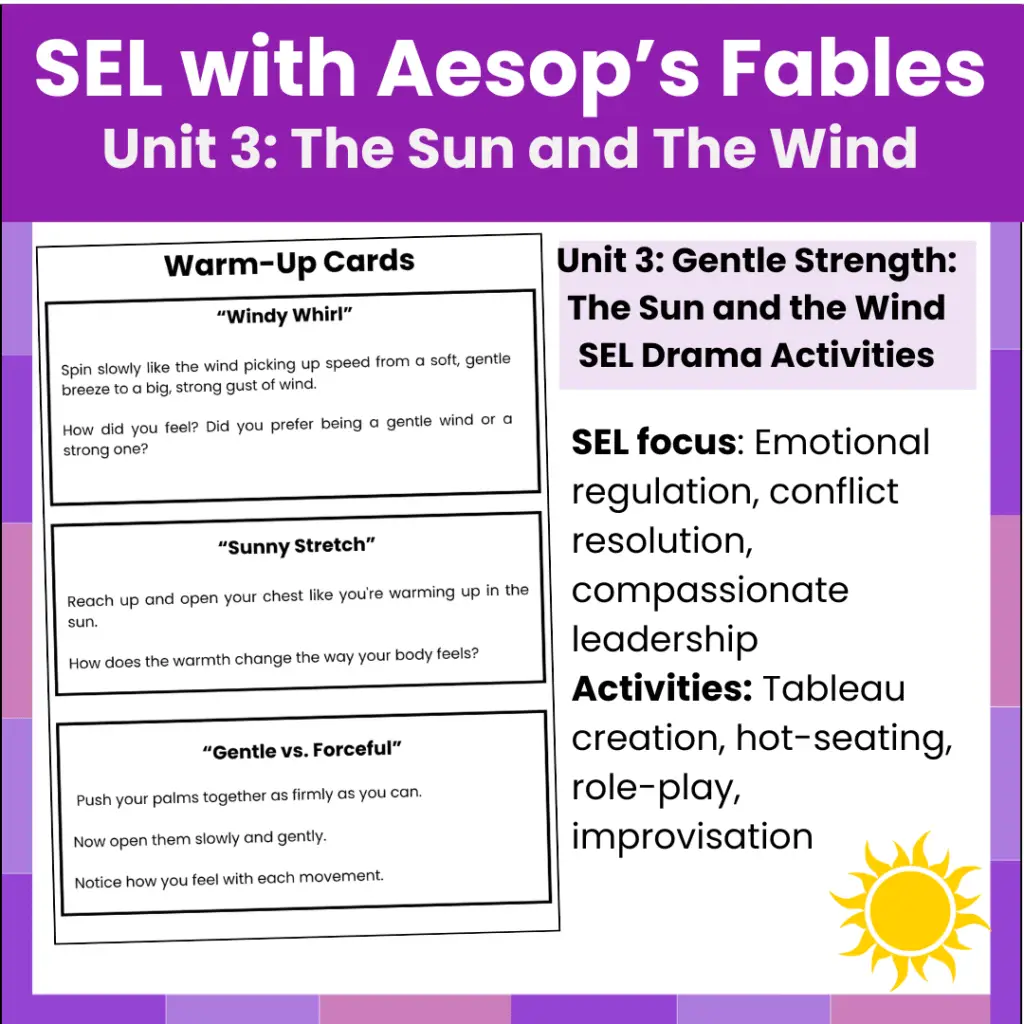
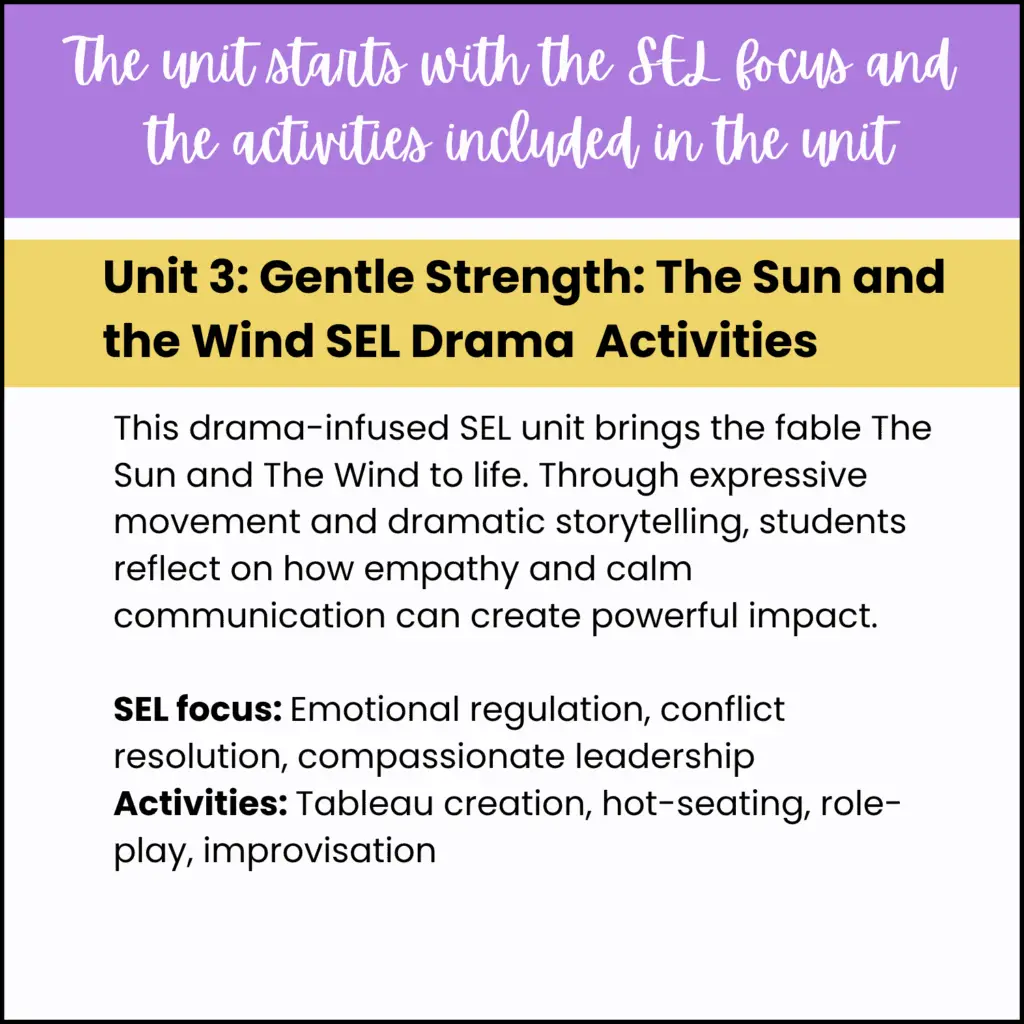
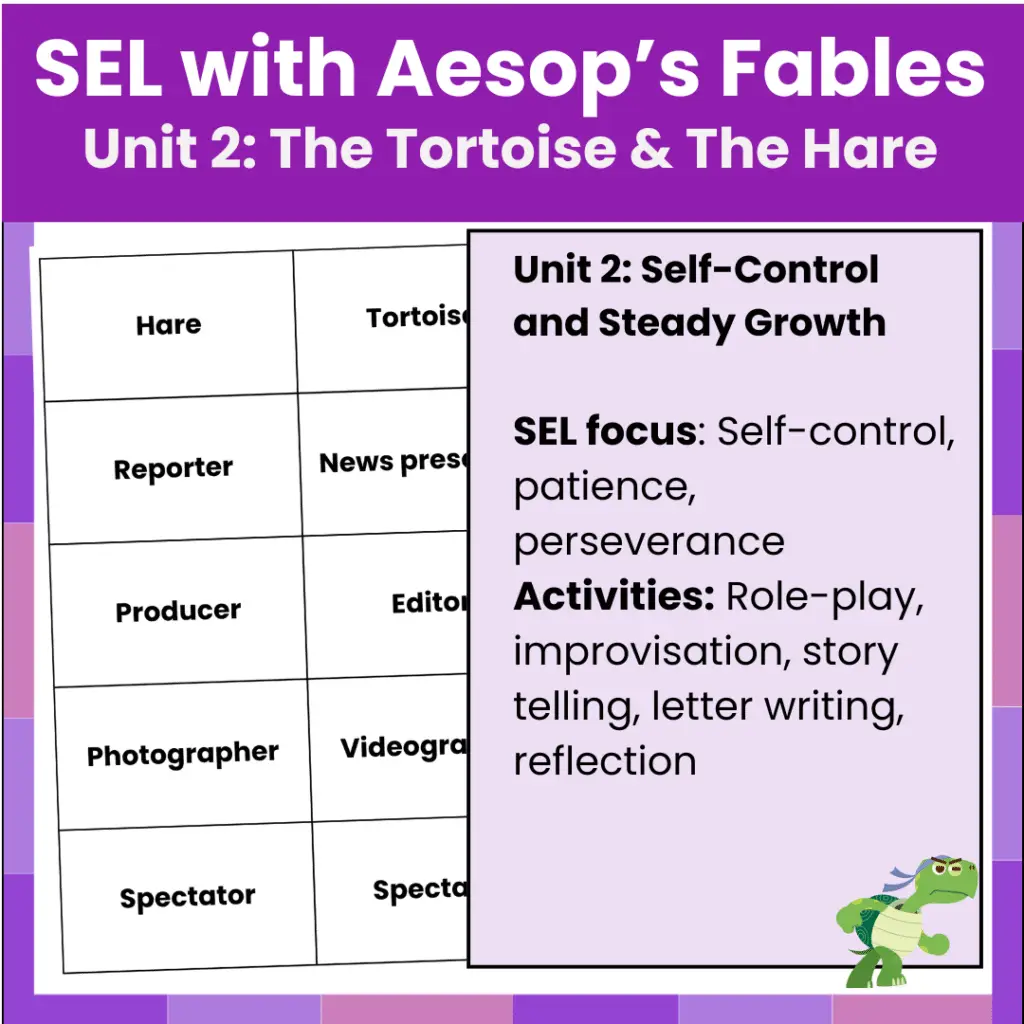
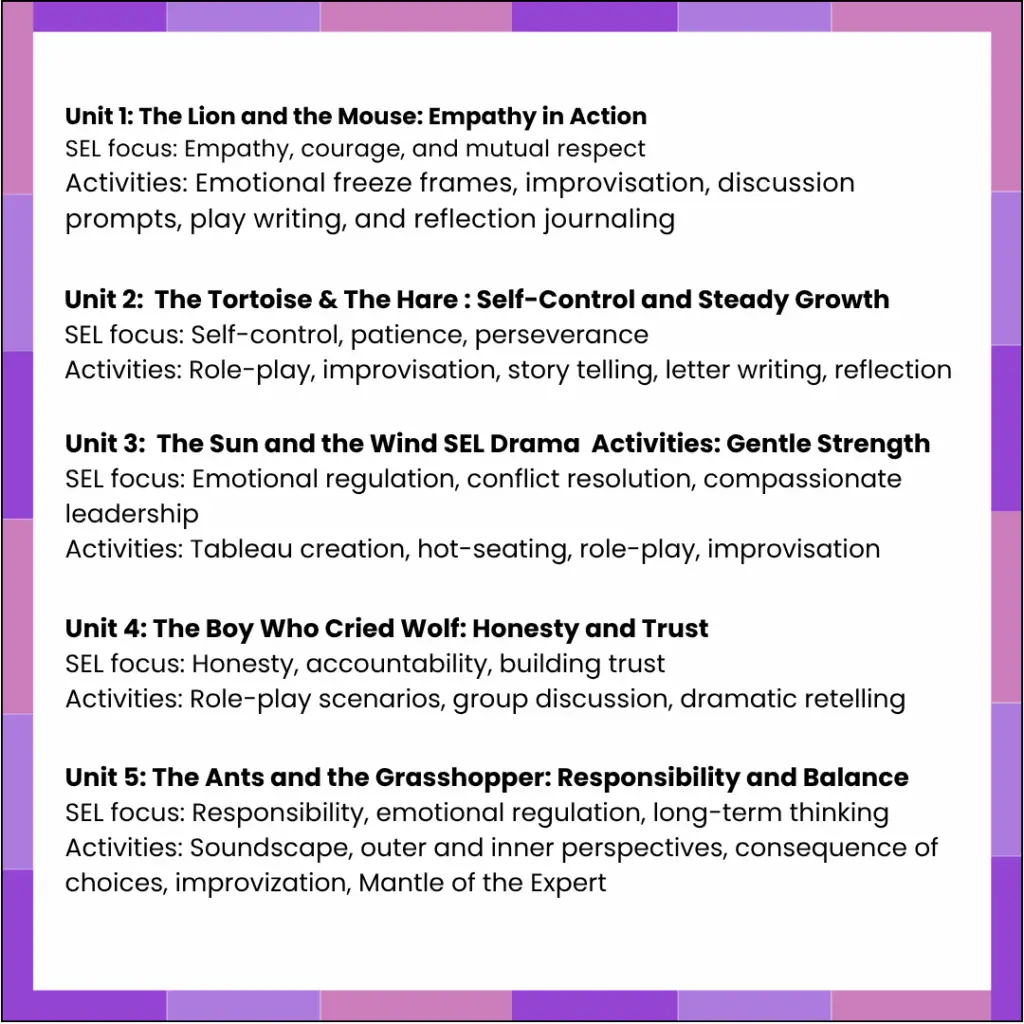
Activities for The Boy Who Cried Wolf
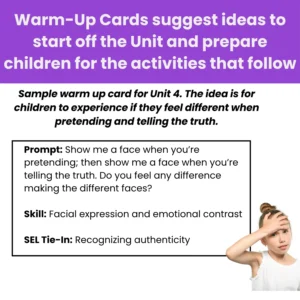
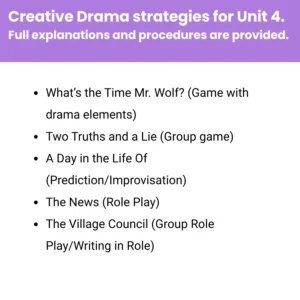
This resource leverages the principles of problem-based learning, encouraging students to actively participate in their learning journey. Through critical thinking prompts, students analyze character choices and consider consequences, fostering ownership of their learning. The resource seamlessly integrates real-world connections and a problem-solving focus, empowering students to apply lessons learned in the classroom to their lives.
/5
Total reviews
|
|
Persons recommended this product
Anonymous
Shopper
check_circle Verified
Shop owner replied
Was this helpful
Anonymous
Shopper
check_circle Verified
Shop owner replied
Was this helpful
There are no reviews yet.
Be the first to review “ ”
Your feedback helps us improve our service.
Only logged in customers who have purchased this product may leave a review

,
Hi, I’m Elizabeth. I create engaging, low-prep resources for lower elementary levels, with a focus on math, literacy, and social-emotional learning. I love blending creativity with practicality to help teachers save time and bring joy to learning! I want to support teachers who might feel overwhelmed by planning, and want low-prep activities that are easy to use and fun to teach.
$17.50 Original price was: $17.50.$13.00Current price is: $13.00.


$10.50 Original price was: $10.50.$8.40Current price is: $8.40.
$7.00 Original price was: $7.00.$5.00Current price is: $5.00.

$22.50 Original price was: $22.50.$17.50Current price is: $17.50.

$18.00 Original price was: $18.00.$13.50Current price is: $13.50.