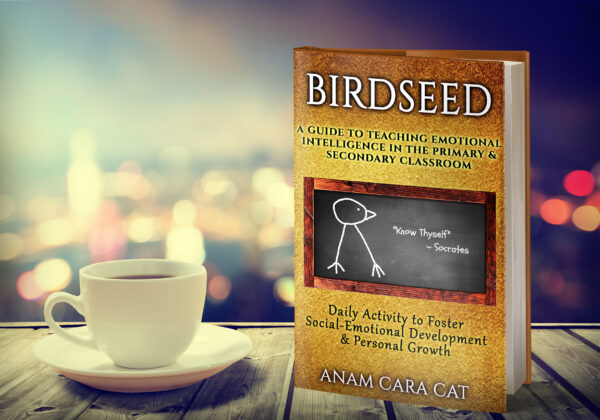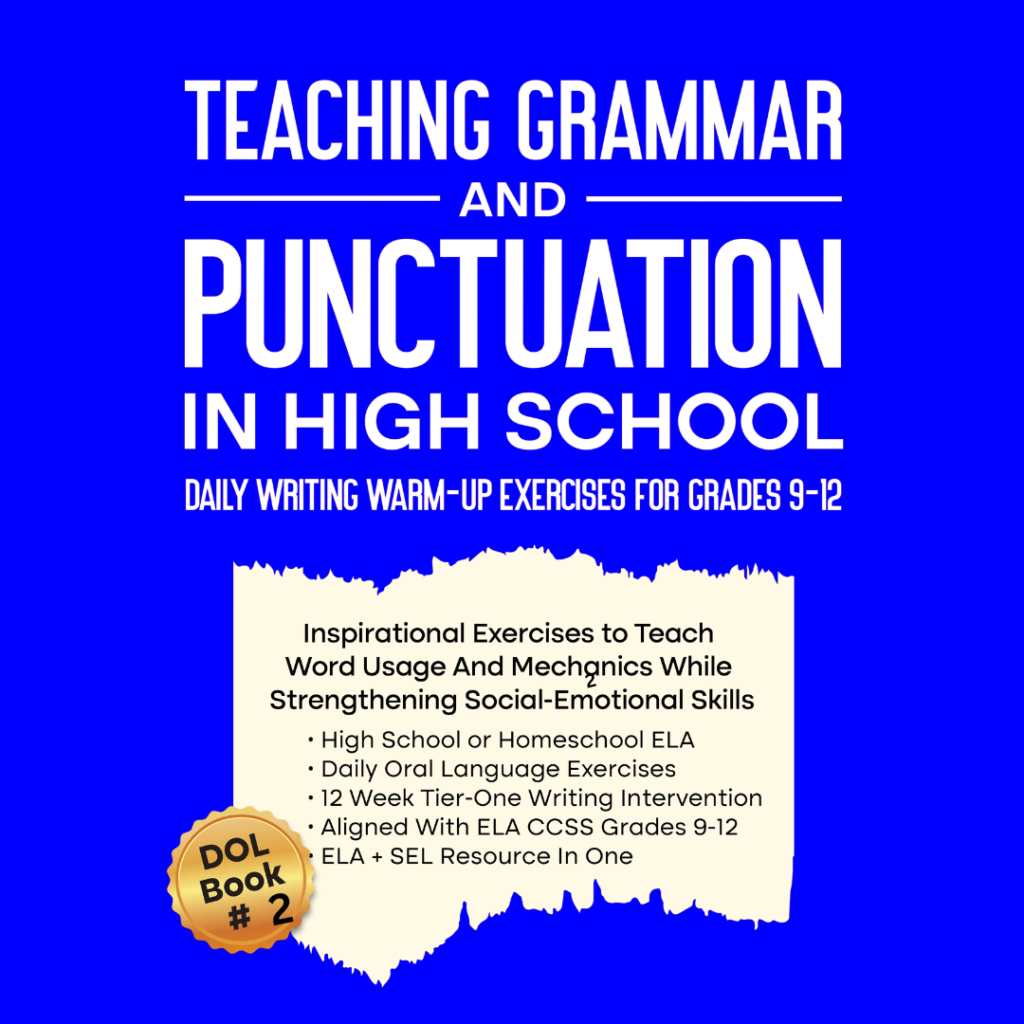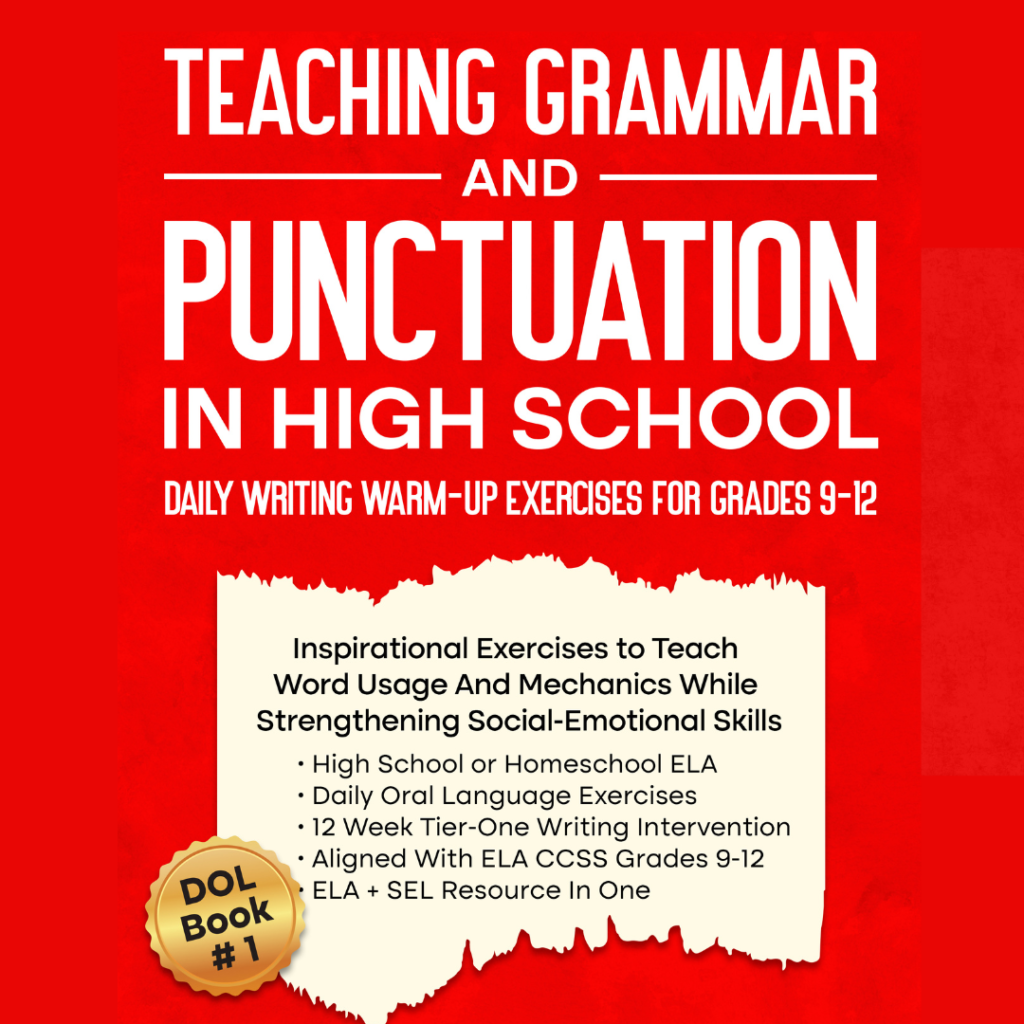
Free Writing Warm-Ups | High School and Middle School Bell-Ringers | SEL | Social Emotional Learning Resource | Emotional Intelligence | Social Skills | Daily Character Building Activity Every Day of the Year!
“Cat helps students bridge the gap between happiness and academic success by making both the practice of joy and the practice of writing a daily activity.”
~ Shawn Achor, NY Times bestselling author of Before Happiness and The Happiness Advantage.
Endorsed by New York Times best-selling author and positive psychology guru Shawn Achor, by the MTSS coordinator for The Colorado Department of Education, and by psychologists, teachers, and students worldwide!
MTSS Tier 1 Intervention:
The Impact of Relaxation on the Brain and Learning
When students’ nervous systems are relaxed, their brains are better able to focus on learning. This is because a relaxed state activates the prefrontal cortex, the part of the brain responsible for higher-order thinking, problem-solving, and emotional regulation. In a state of stress or anxiety, the brain shifts to the “fight or flight” response, driven by the amygdala, which hinders cognitive functions. By calming the nervous system, students can access their prefrontal cortex more effectively, enhancing their ability to concentrate and learn. Implementing these activities at the start of class can help create a calm and focused learning environment, enabling students to better engage with the instructional material.
A Simple Tier One Learning Support Strategy: Creating Predictable Daily Routines and Procedures
Establishing predictable daily routines and procedures in the classroom is crucial for creating a structured and stable learning environment. This predictability can have a profound impact on students’ nervous systems, particularly in how it affects their ability to learn and retain information.
Impact on the Nervous System:
The daily Birdseed activity is a quick, engaging, and effective daily procedure that will relax your students’ nervous systems and transform your classroom environment.
Secondary Teachers and Homeschooling Parents: Enhance Your Classroom with a Positive Bell Ringer Activity!
Looking for an engaging way to start every class period? Discover Birdseed, a daily 5-10 minute activity that fosters social-emotional intelligence. Endorsed by New York Times best-selling author and positive psychology expert Shawn Achor, the Colorado Department of Education, and psychologists, teachers, and students worldwide, Birdseed is a game-changer.
Inside Birdseed:
Why Birdseed?
Birdseed is more than just a collection of extraordinary quotes and journal prompts. It’s a transformative tool for teachers, aimed at enhancing the classroom atmosphere and engaging students in an authentic learning process. This activity addresses the social-emotional domain, fostering a balanced approach to education that prepares students for success both in and beyond the classroom. Author and veteran teacher Anam Cara Cat bridges the gap between emotional intelligence and academic achievement, offering innovative strategies to educate, empower, and inspire today’s youth.
Benefits of Birdseed:
MTSS: Multi-Tiered System of Supports
Tier One Learning Intervention: Why Creating Predictable Daily Routines and Procedures is Crucial for Creating an Environment Conducive to Learning:
Establishing predictable daily routines and procedures in the classroom is crucial for creating a structured and stable learning environment. This predictability can have a profound impact on students’ nervous systems, particularly in how it affects their ability to learn and retain information.
Impact on the Nervous System:
Classroom Strategies:
Structured Procedures:
Relaxation Activities:
Predictable Transitions:
Safe and Supportive Environment:
Physiological and Brain Chemistry Changes:
By creating predictable daily routines and procedures, teachers can significantly enhance students’ ability to focus on instruction and learn more effectively. This structured environment helps students feel secure, reduces their stress levels, and optimizes their brain chemistry for learning. Birdseed is just one of many activities teachers in any grade or content area can use.
/5
Total reviews
|
|
Persons recommended this product
Anonymous
Shopper
check_circle Verified
Shop owner replied
Was this helpful
Anonymous
Shopper
check_circle Verified
Shop owner replied
Was this helpful
There are no reviews yet.
Be the first to review “ ”
Your feedback helps us improve our service.
Only logged in customers who have purchased this product may leave a review

,

Come for the Resources.
Stay for the Community.
2025 Copyright Tech and Mortar, LLC