
Why ‘Just Read for Twenty Minutes’ Isn’t Enough Over Winter Break
Every December I wish my students a good break, knowing that January research confirms what every experienced teacher already feels in their gut: two weeks off takes a real toll on the skills we spent months building. Math facts go fuzzy. Spelling words disappear. The logic and word-pattern thinking we practiced gets buried under holiday movies and video game marathons.
And I’m not blaming anyone. Kids need rest. Families need downtime. But there’s a middle ground between ‘do nothing’ and ‘here’s a packet of worksheets’ — and that middle ground is where learning actually sticks.
The Screen Problem Nobody Talks About Enough
I think about one of my students — a boy who is bright, curious, and completely lit up in class. The moment free time hits, though, he’s on his video games, and that’s it. His parents love him and want to help. They just need something to hand him.
That’s the gap I wanted to fill. Not homework. Not review sheets. Something he would pick up because it looked interesting.
What Actually Works Over Break
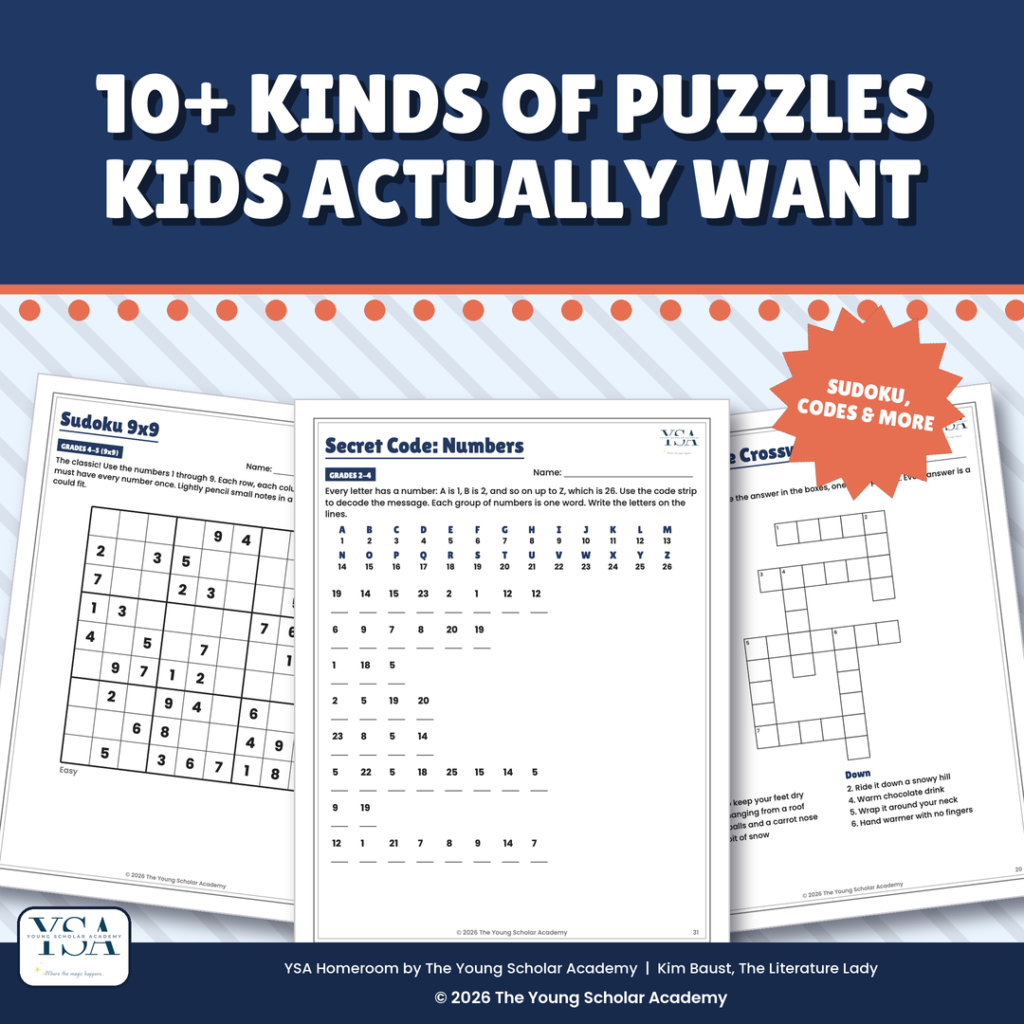
After 30 years in elementary classrooms, I’ve watched kids respond to challenges that feel like games. Word ladders pull them in because there’s a puzzle to solve. Secret codes feel like spy work. Sudoku is satisfying to crack. I-spy word finds are genuinely relaxing in the best way.
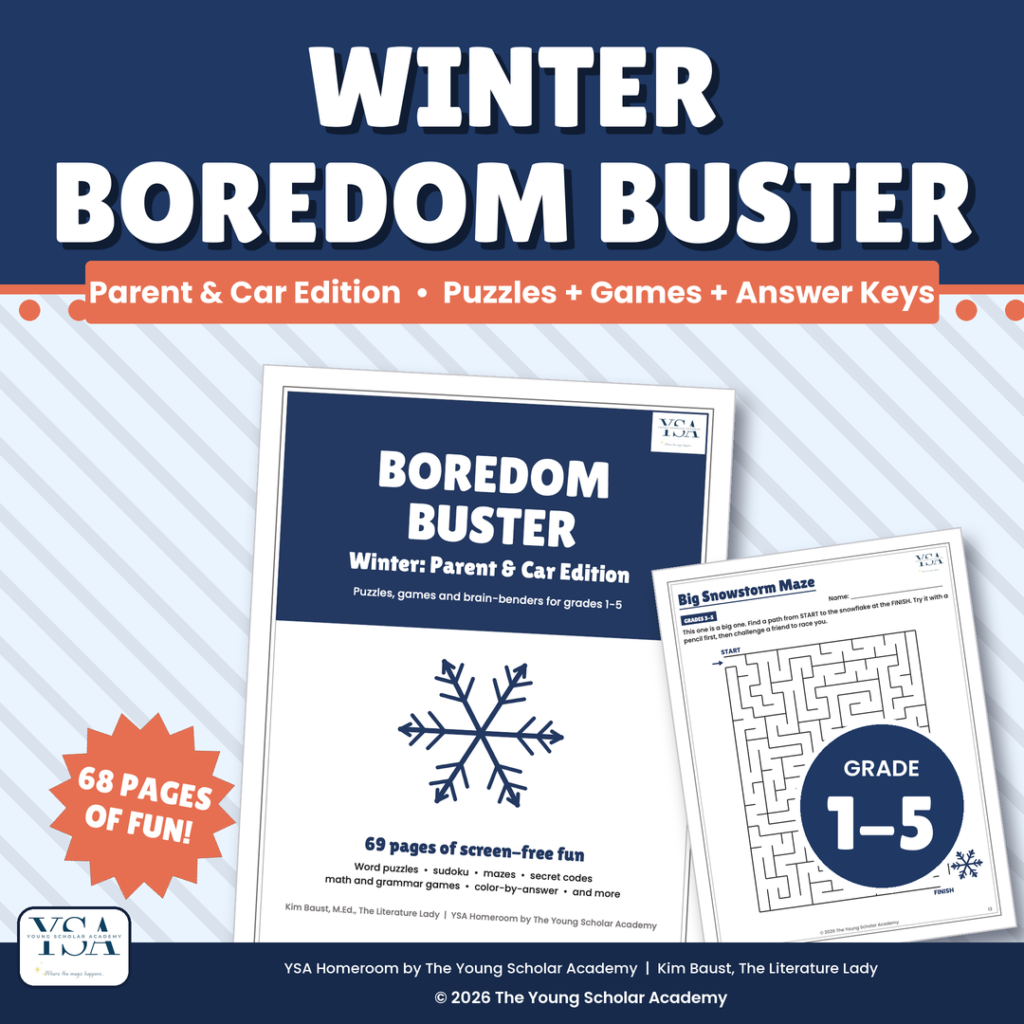
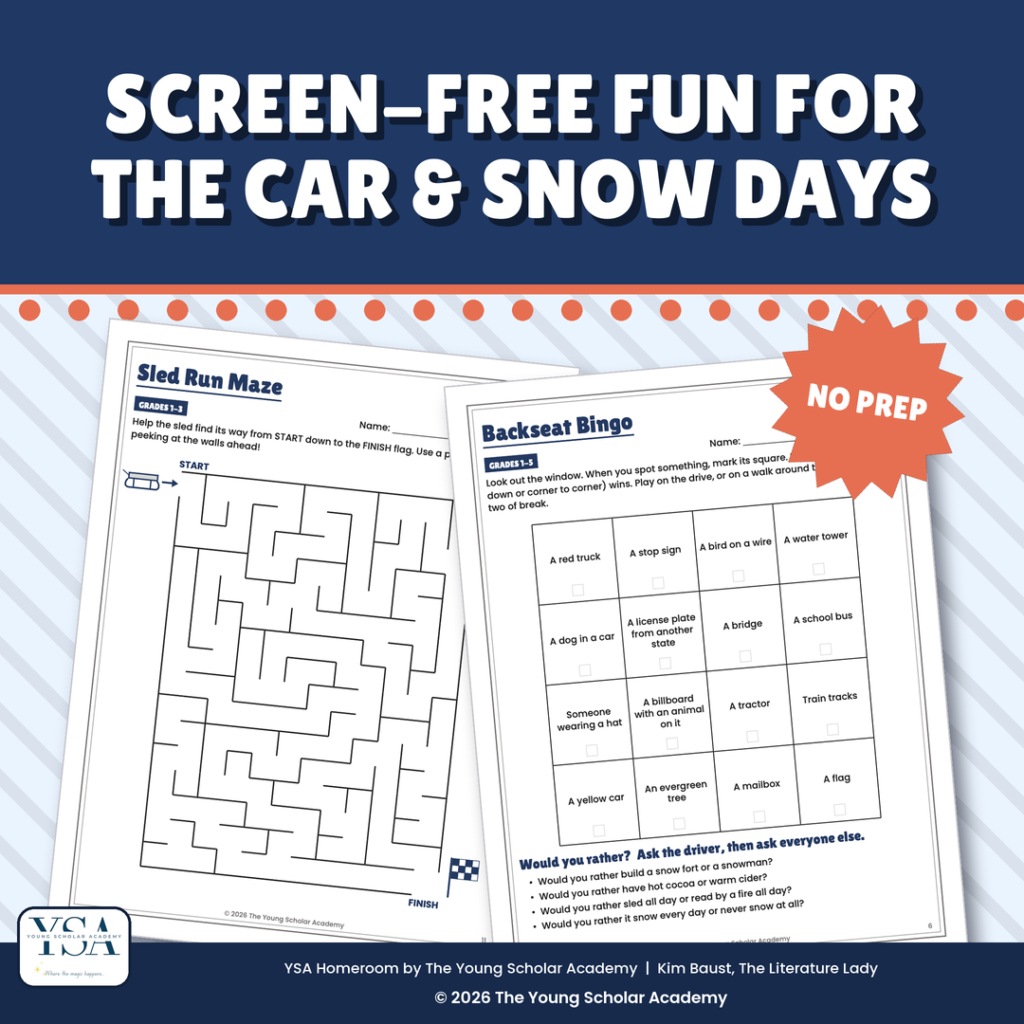
The trick is layering real skills underneath the fun. When a child works through a word ladder, they’re building vocabulary and spelling pattern recognition. When they crack a secret code, they’re applying letter-sound relationships. When they push through a logic grid, they’re practicing the kind of stick-with-it thinking that makes them better at everything — math included.
You can find Winter Break Activity Workbook – Grades 1–5 on my shop.
Skills That Go Rusty Without Practice
Here’s what I’ve seen slip most over winter break:
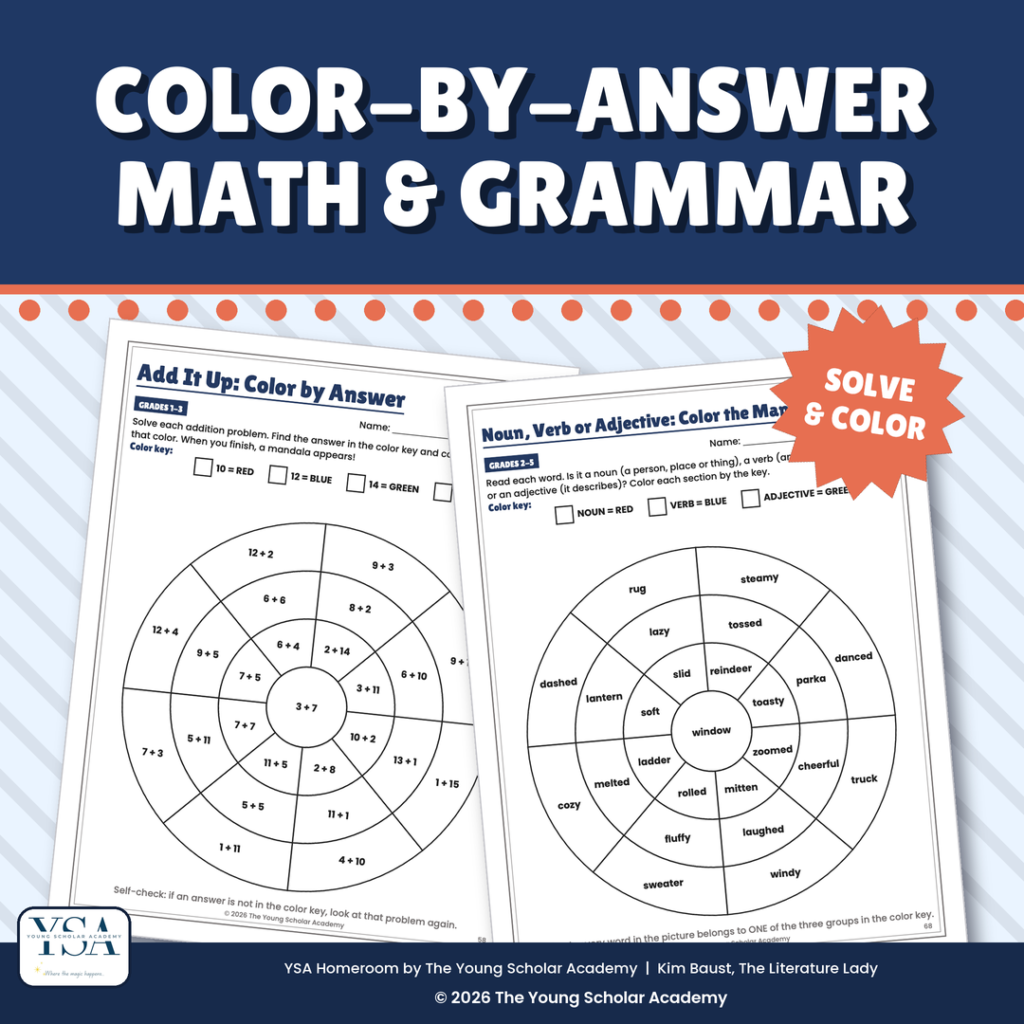
- Math facts — addition, subtraction, multiplication, and division fluency fades faster than almost anything else
- Spelling patterns — kids forget high-frequency words they had solid in November
- Grammar — nouns, verbs, and adjectives need regular exposure to stay sharp
- Logic and sequencing — the problem-solving muscles that underpin reading comprehension and math reasoning
None of these need a formal lesson to maintain. They just need a little activation — a puzzle here, a word game there, ten minutes of focused challenge that doesn’t feel like sitting at a desk.
The Workbook I Finally Made
I put together a winter break activity workbook for Grades 1–5 that covers all of it: word puzzles, logic games, Sudoku, word ladders, secret codes, math fact practice across all four operations, nouns, verbs, adjectives, spelling, and I-spy word finds.
It’s designed to be screen-free, genuinely engaging, and self-directed — meaning a child can work through it without an adult coaching them through every page. That matters. Parents are on break too.
Teachers can use it as a send-home packet before winter break, a snow day staple, an early finisher activity, and a first-week-of-January warm-up. It travels well and it works.
You can find Winter Break Activity Workbook – Grades 1–5 on my shop.
A Smooth Return in January
The goal was simple: kids walk back through the door in January and think, ‘Oh yeah, I know this.’ That confidence is everything. When a child raises their hand because they remember, when they help a classmate instead of shrugging, when they push through a hard problem instead of giving up — that’s what keeps me going after three decades.
If you’re sending anything home this winter, make it something that sparks a little joy and keeps those skills warm at the same time.
Grab the winter break activity workbook right here: https://teacherstore.io/?post_type=product&p=64973
Your January classroom will feel the difference.