$3.50
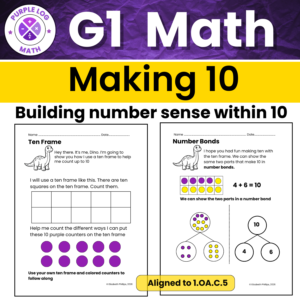
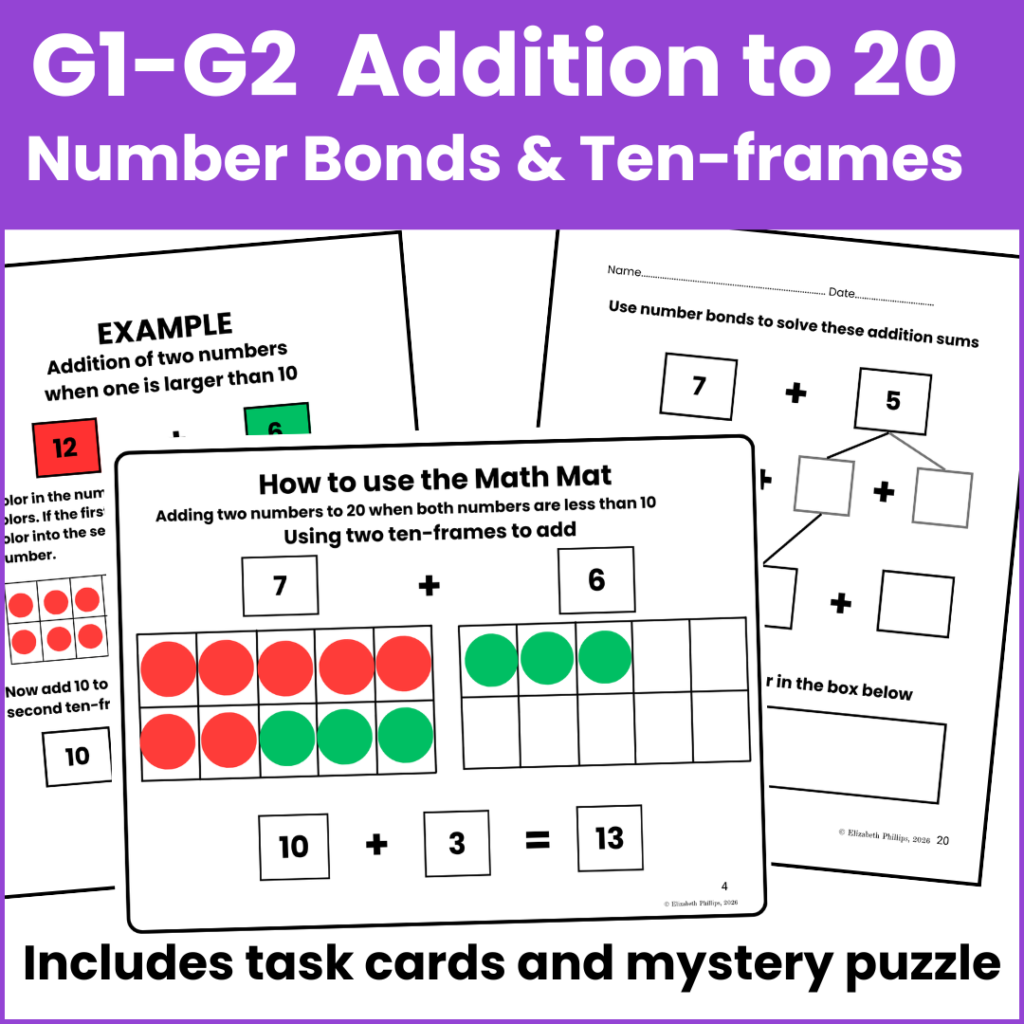
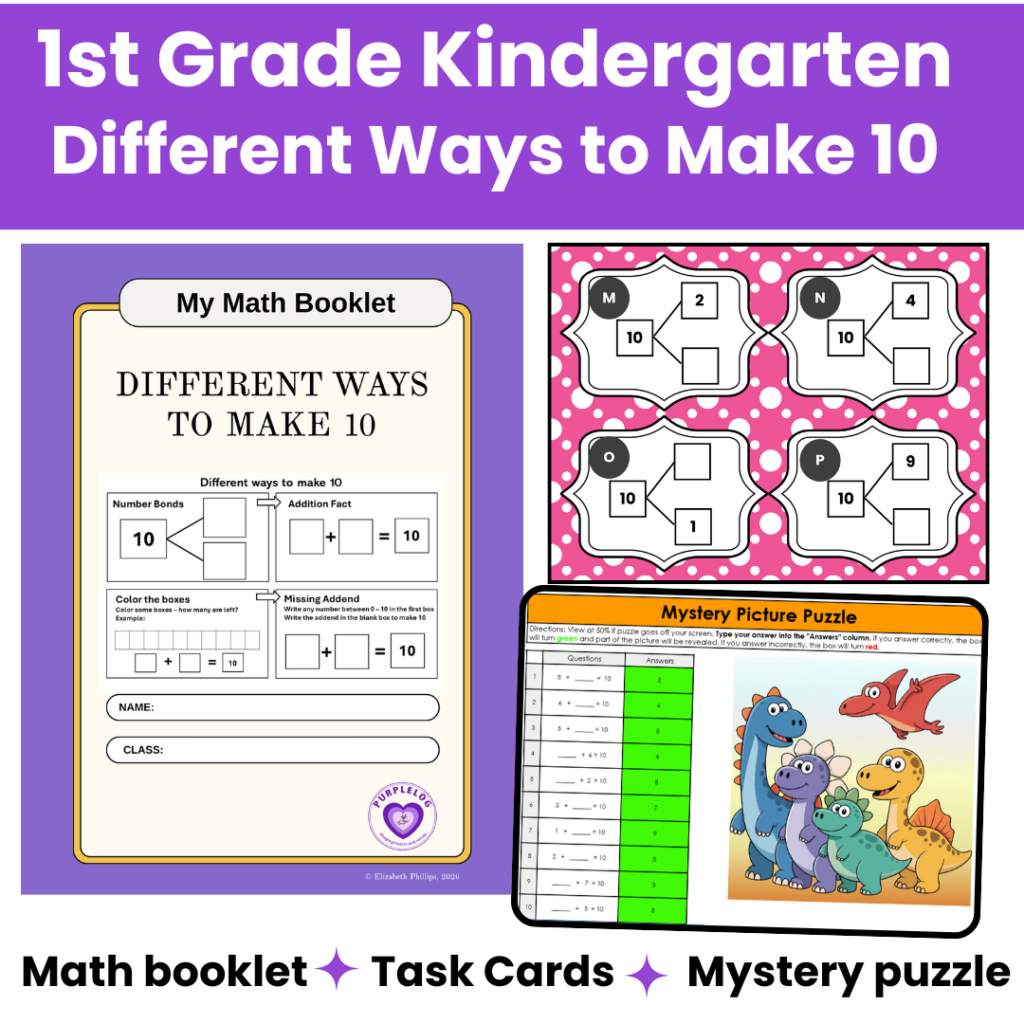
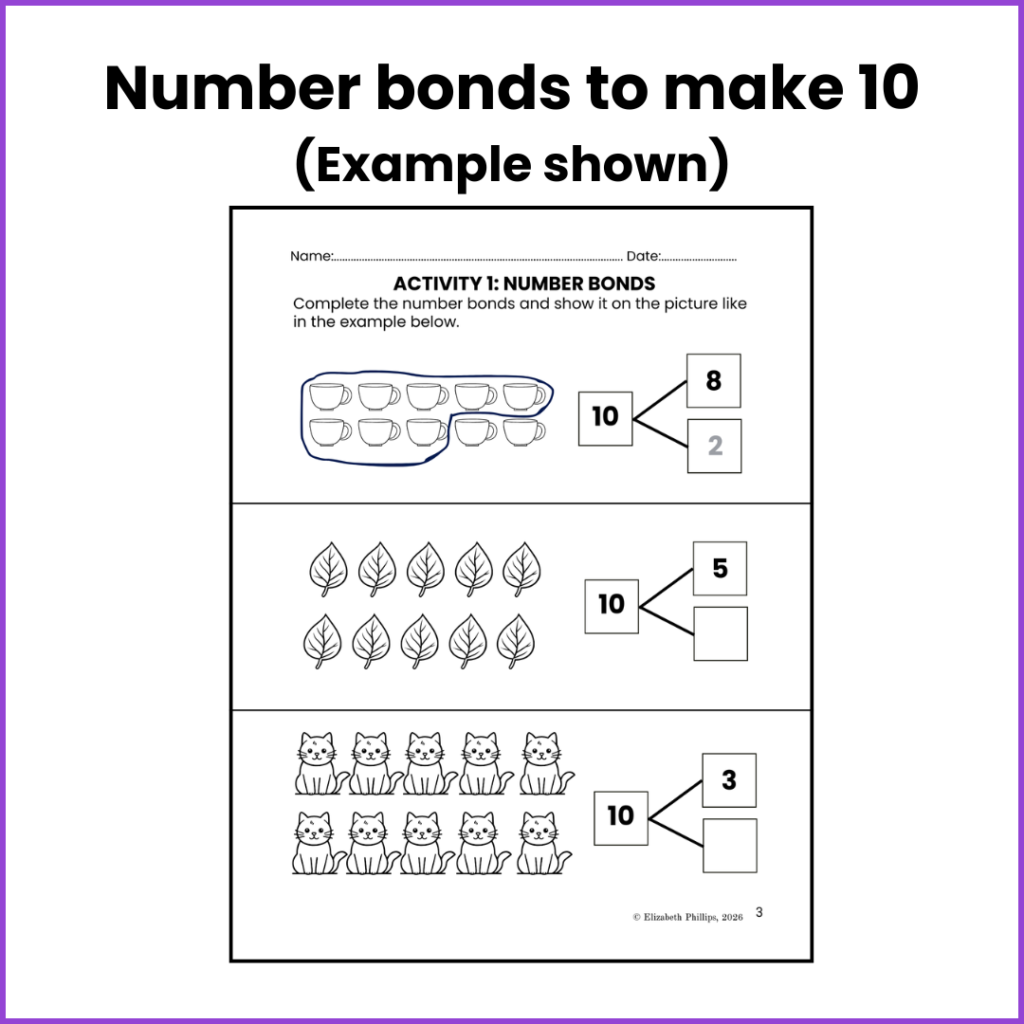
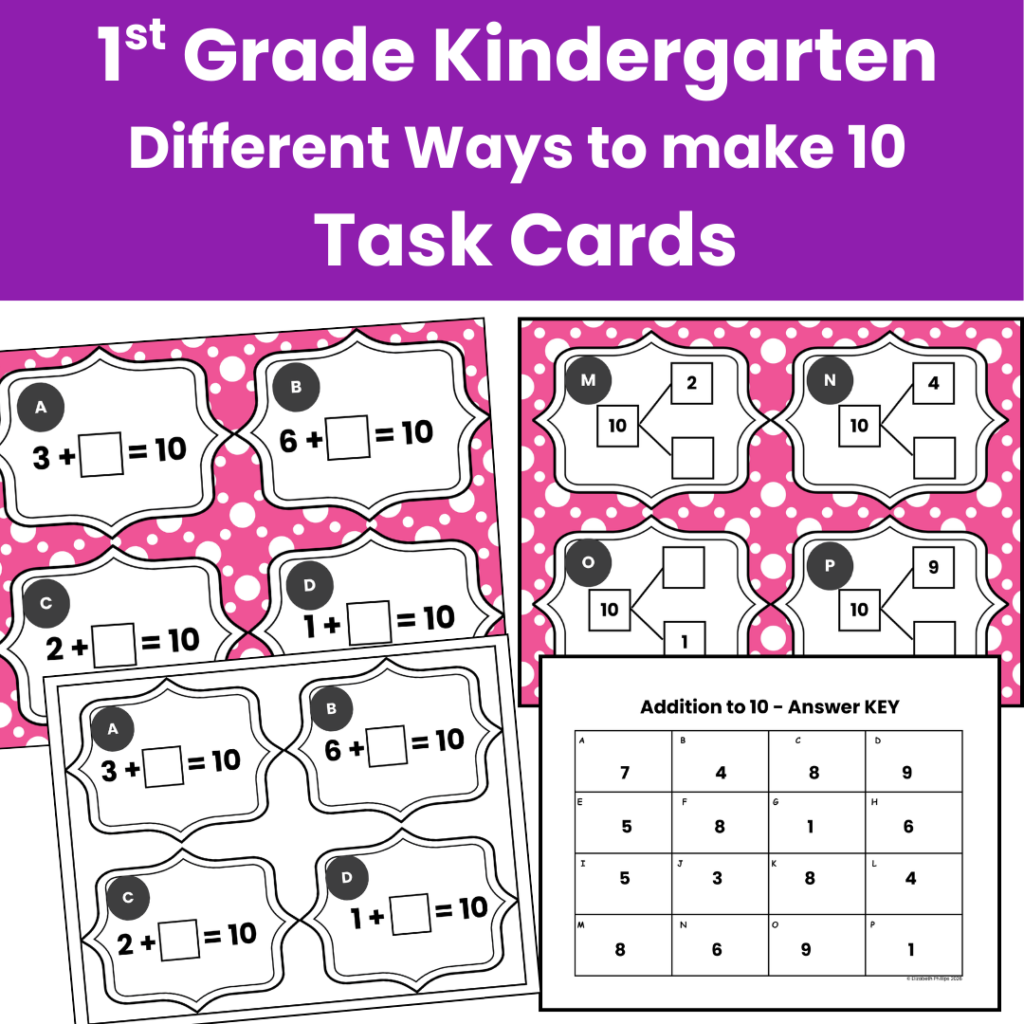
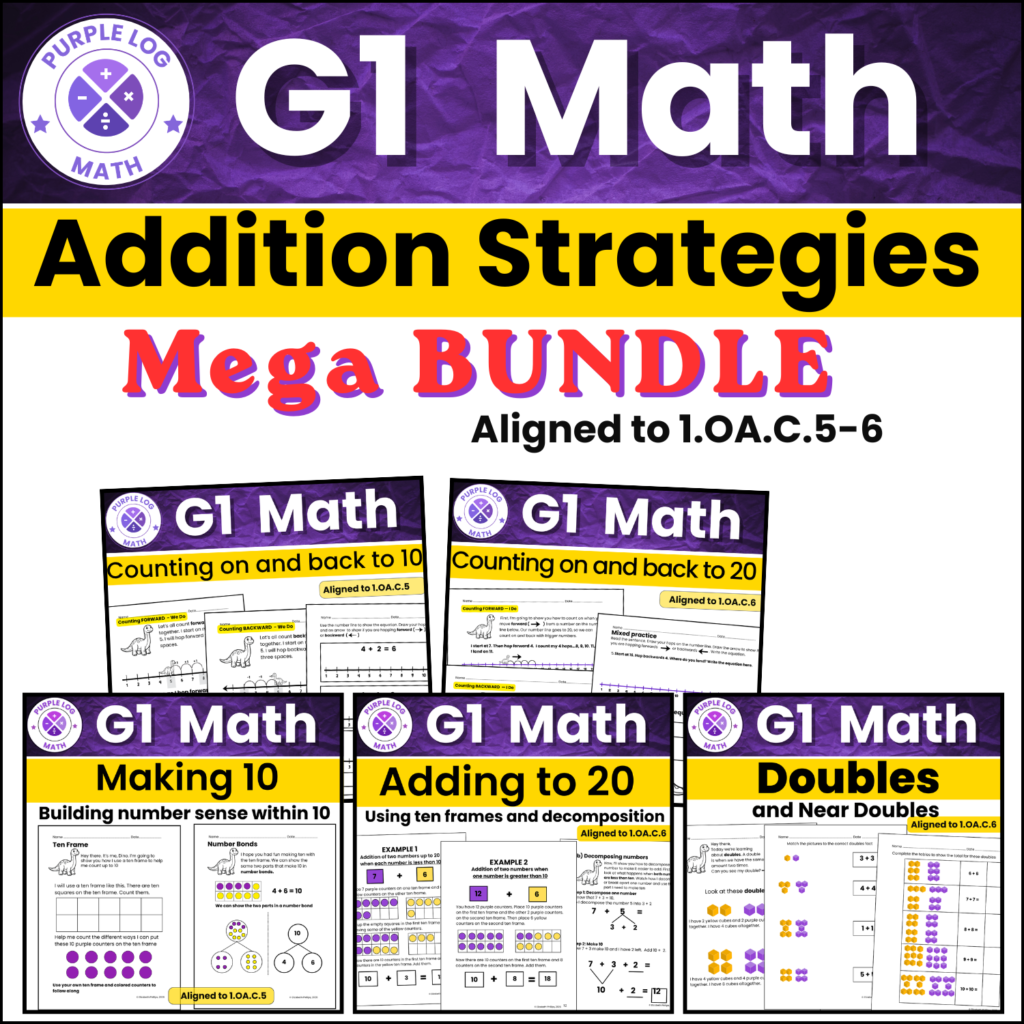
Ten‑frames and number bonds give students two powerful ways to understand number combinations that make 10. Together, they help children in Grade 1 see how numbers are built, how they can be taken apart, and how they relate to the number 10. This strategy strengthens early number sense by pairing a visual model with a part–whole model, allowing students to move naturally from concrete understanding to more abstract thinking.
🧩 What Students Will Do in This Strategy
🟦 How Ten‑Frames Support Counting to 10
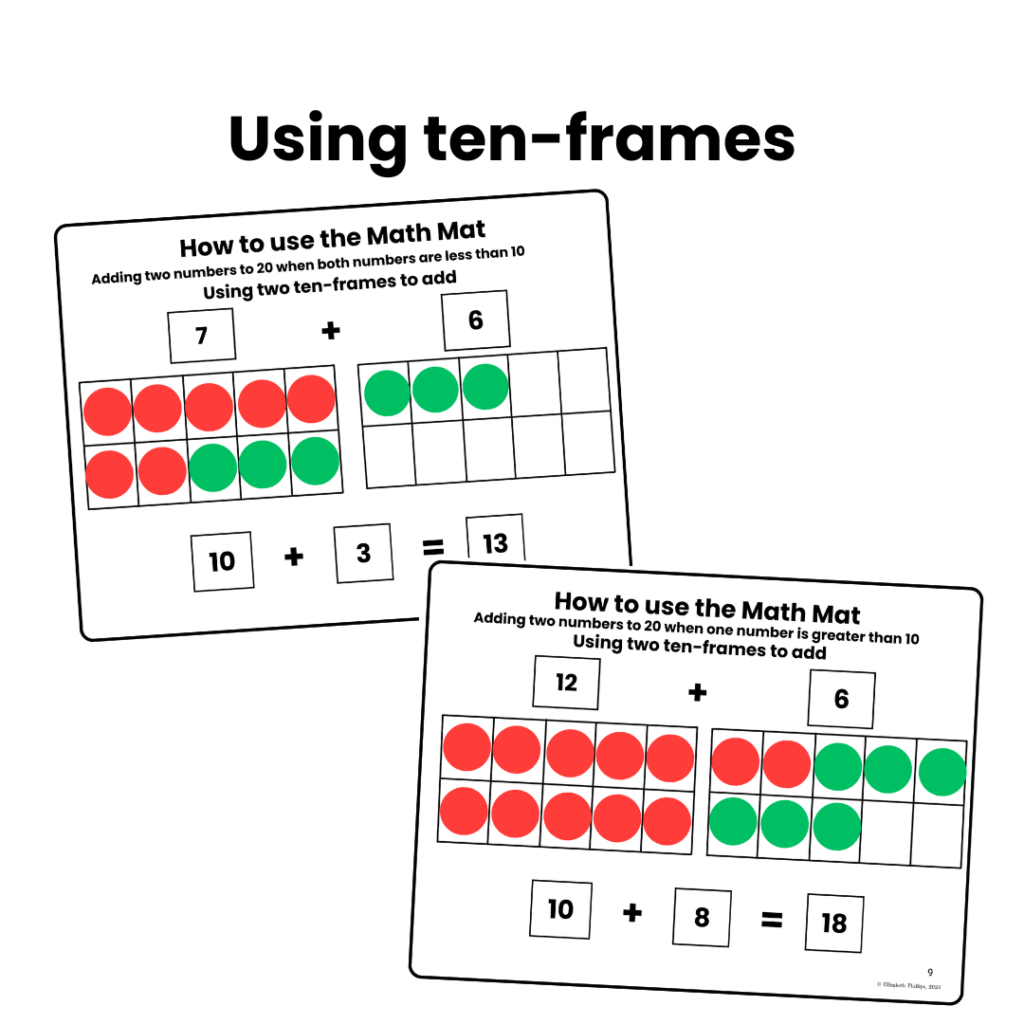
Ten‑frames help students see numbers. By filling squares one at a time, students develop a sense of quantity, structure, and the idea of “how many more to make 10.” The consistent layout supports subitizing, pattern recognition, and early addition.
Students learn to:
🔗 How Number Bonds Support Making 10
Number bonds help students name the parts that make a whole. When paired with ten‑frames, they reinforce the idea that every number can be broken apart and put back together in different ways.
Students learn to:
🎯 Why This Strategy Matters
Making 10 helps students see structure in numbers, notice patterns, and build efficient addition strategies. By pairing a visual model with a part–whole model, students develop a deeper understanding of how numbers can be composed and decomposed, a foundation that supports fluency well beyond this unit.
/5
Total reviews
|
|
Persons recommended this product
Anonymous
Shopper
check_circle Verified
Shop owner replied
Was this helpful
Anonymous
Shopper
check_circle Verified
Shop owner replied
Was this helpful
There are no reviews yet.
Be the first to review “ ”
Your feedback helps us improve our service.
Only logged in customers who have purchased this product may leave a review

,
Hi, I’m Elizabeth. I create engaging, low-prep resources for lower elementary levels, with a focus on math, literacy, and social-emotional learning. I love blending creativity with practicality to help teachers save time and bring joy to learning! I want to support teachers who might feel overwhelmed by planning, and want low-prep activities that are easy to use and fun to teach.
$17.50 Original price was: $17.50.$13.00Current price is: $13.00.


$10.50 Original price was: $10.50.$8.40Current price is: $8.40.
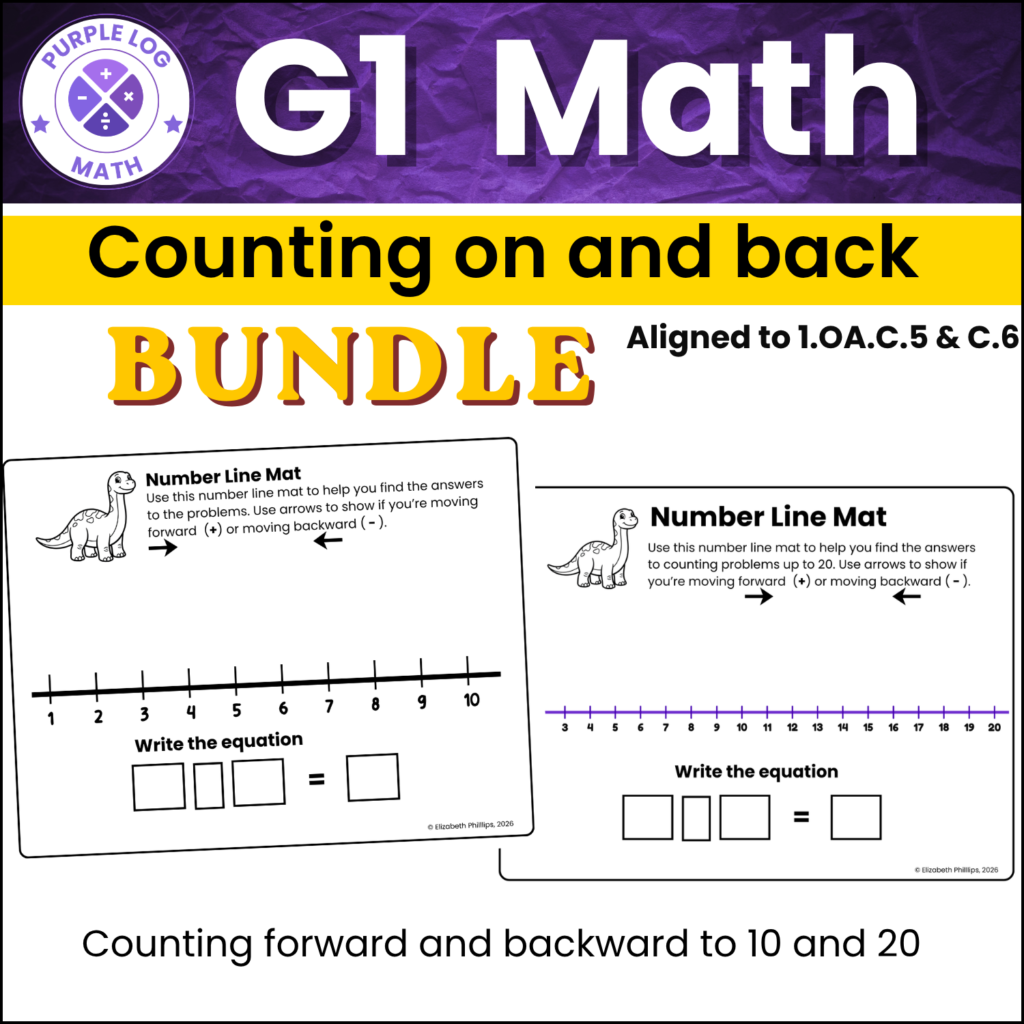
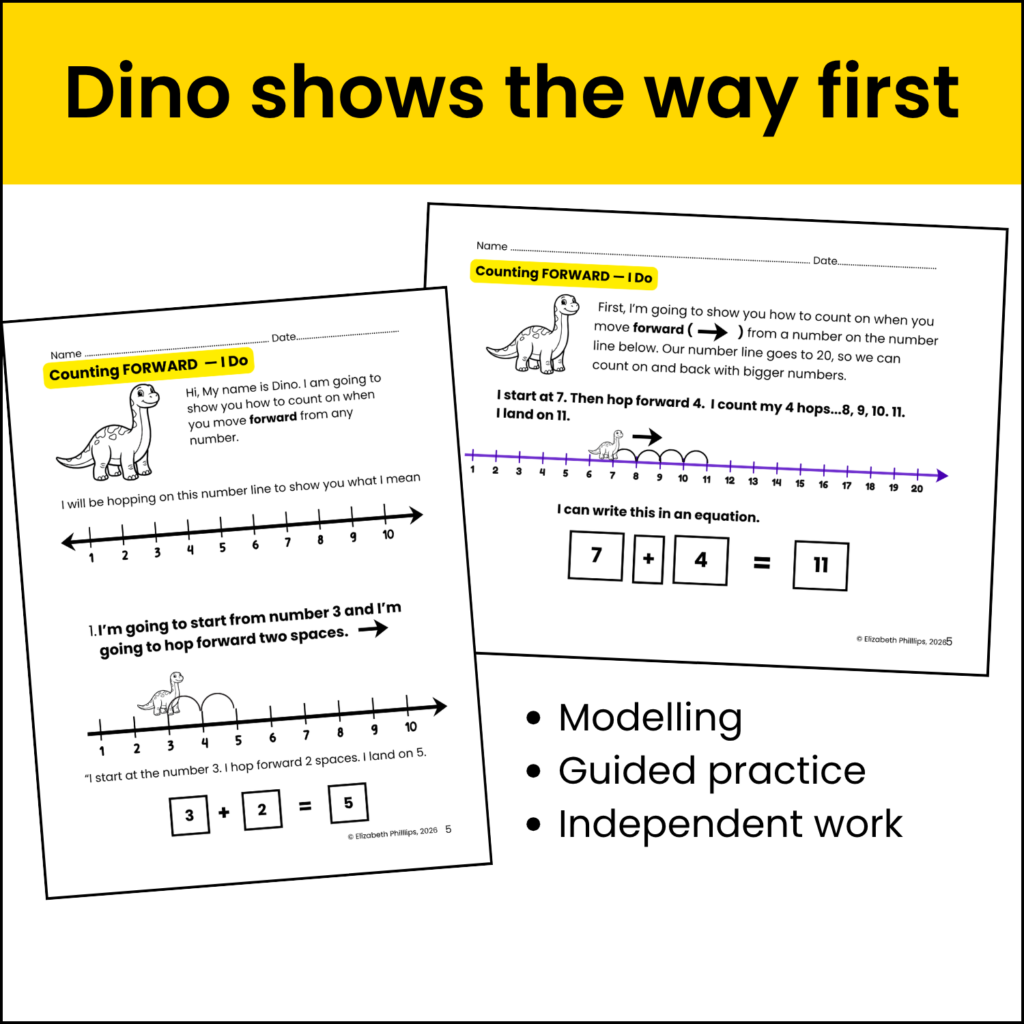
$7.00 Original price was: $7.00.$5.00Current price is: $5.00.

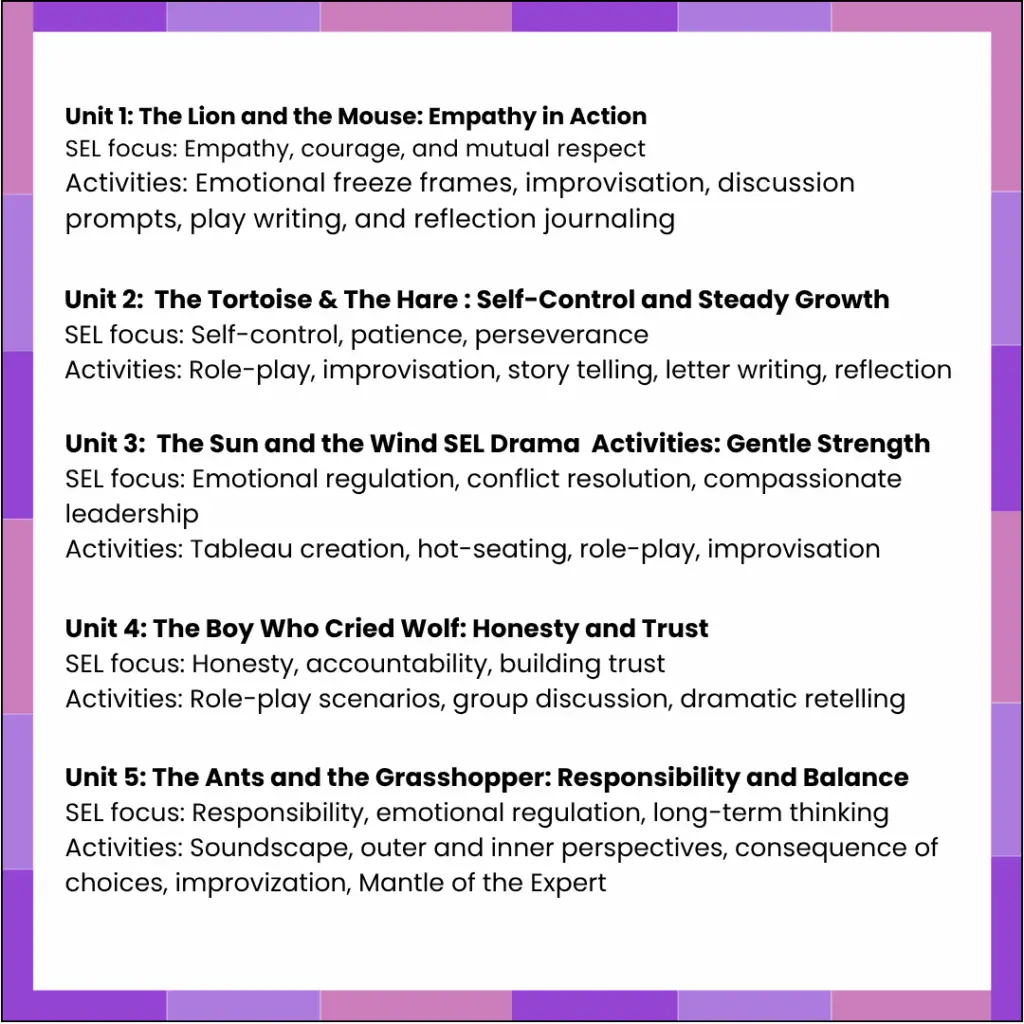
$22.50 Original price was: $22.50.$17.50Current price is: $17.50.

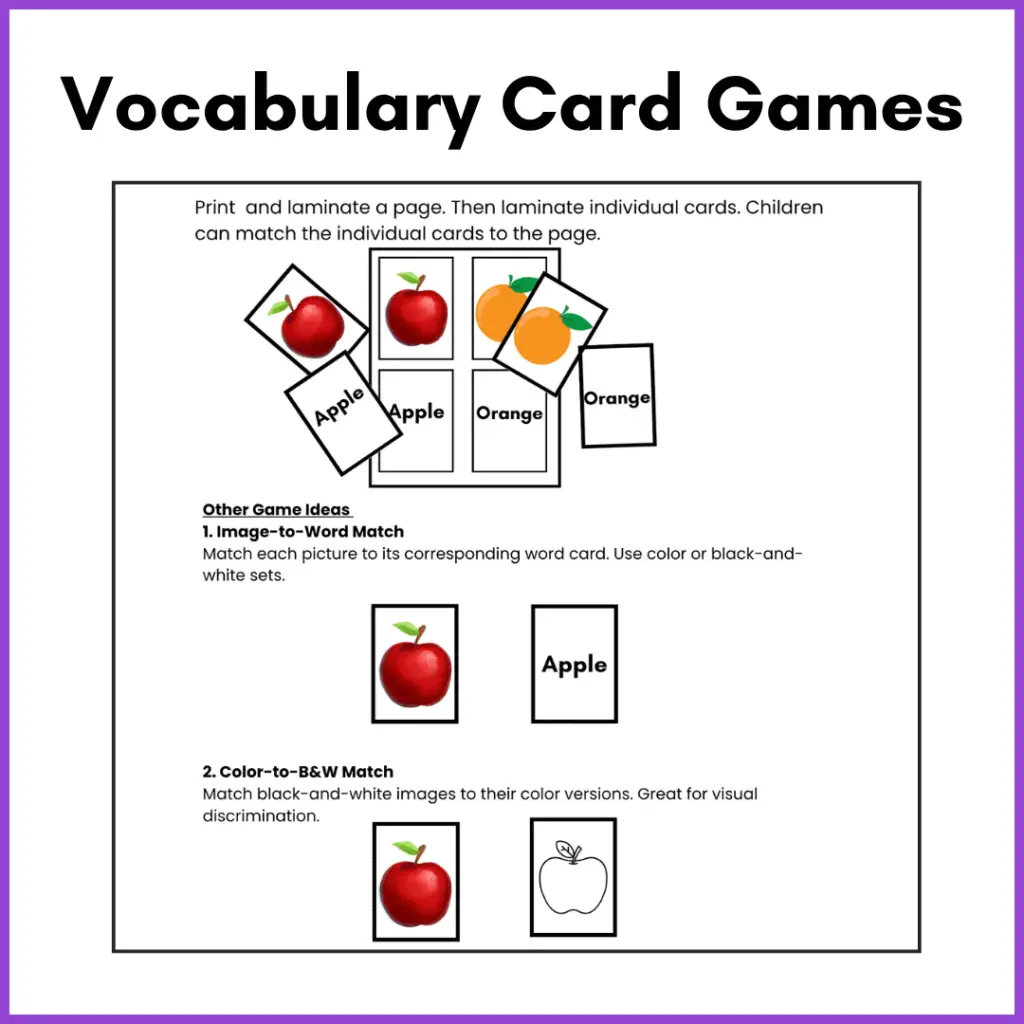
$18.00 Original price was: $18.00.$13.50Current price is: $13.50.

Come for the Resources.
Stay for the Community.
2025 Copyright Tech and Mortar, LLC