
The Preschool Assessment That Feels Like a Game — and Gives You Real Data
If you’ve spent any time teaching preschool, you already know the look. A child who was chatty and bright all morning goes quiet the moment you pull out something that feels like a test. Their eyes drop. Their shoulders come up. And suddenly you have no idea what they actually know — because they’ve decided it’s safer not to try.
Assessment in preschool doesn’t have to work that way. After 20 years in a preschool classroom, I found a routine that gathers honest, usable data without triggering that shutdown — and I built it into a resource that any teacher or homeschool parent can pick up and use.
What Makes This Assessment Different
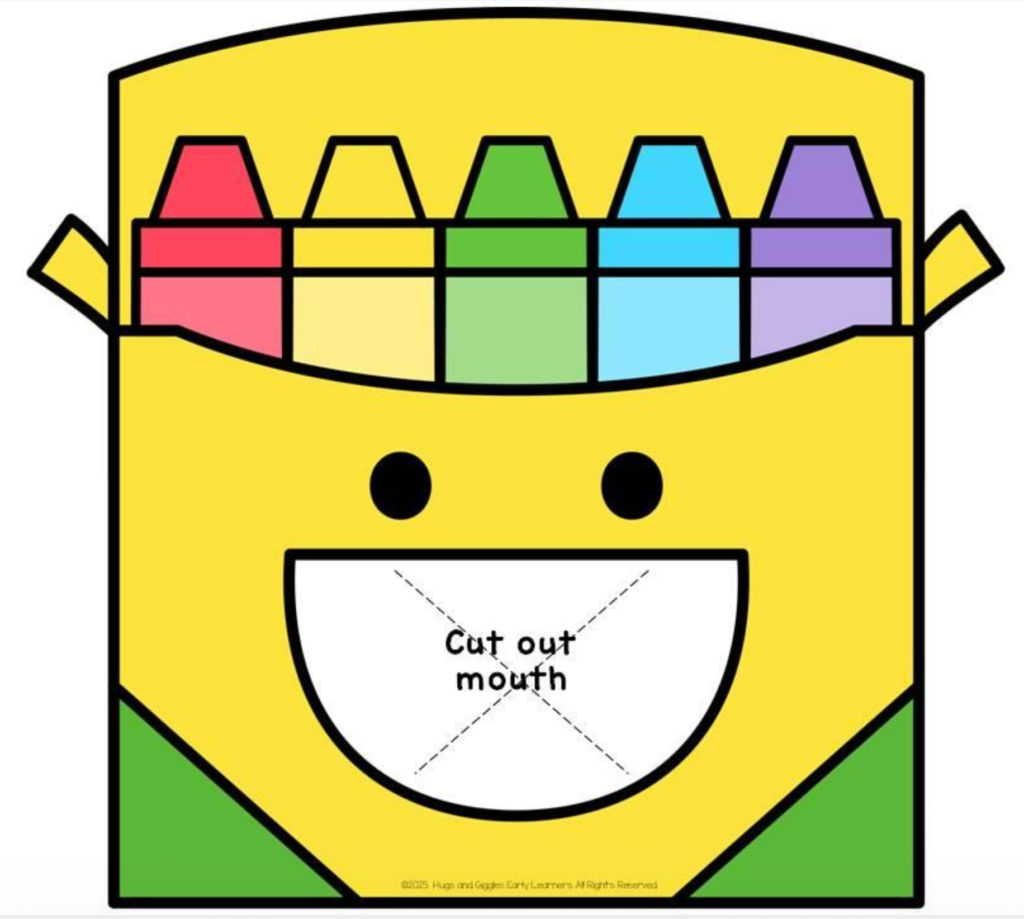
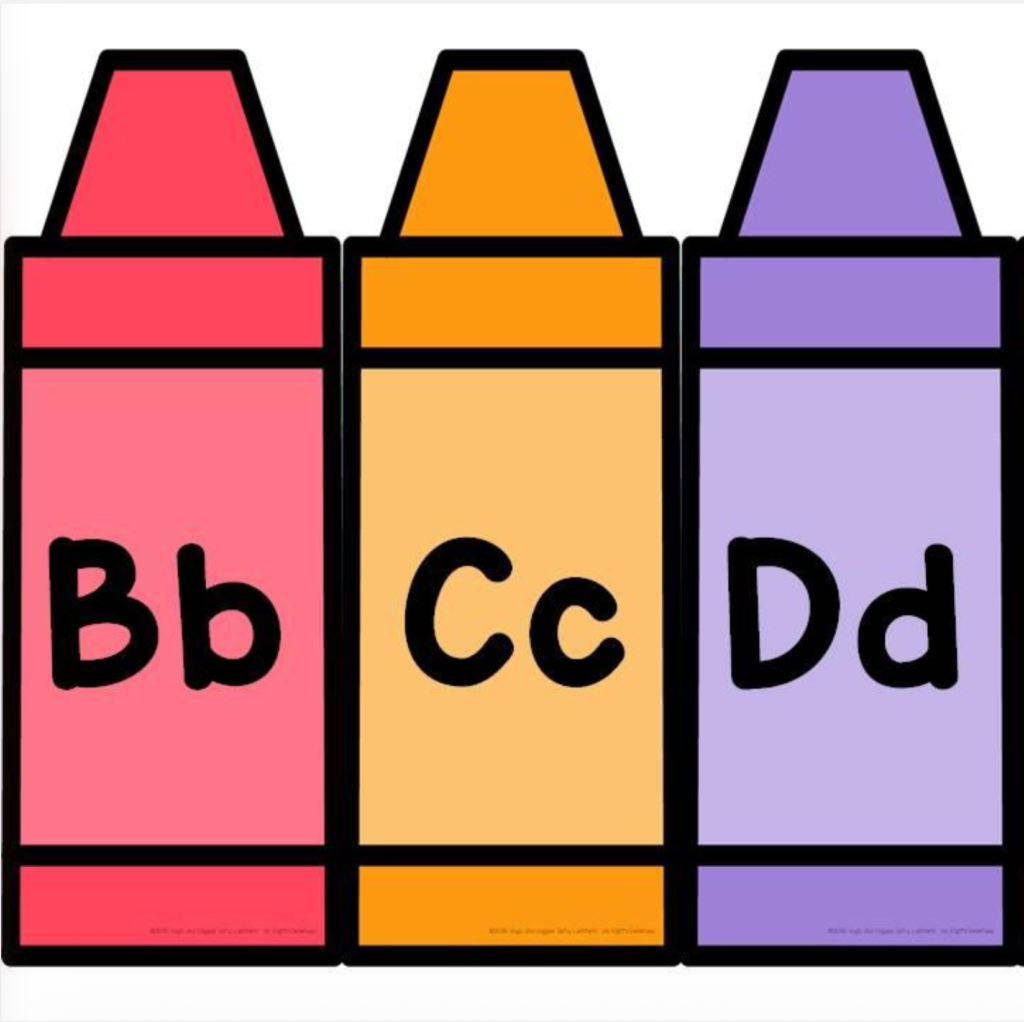
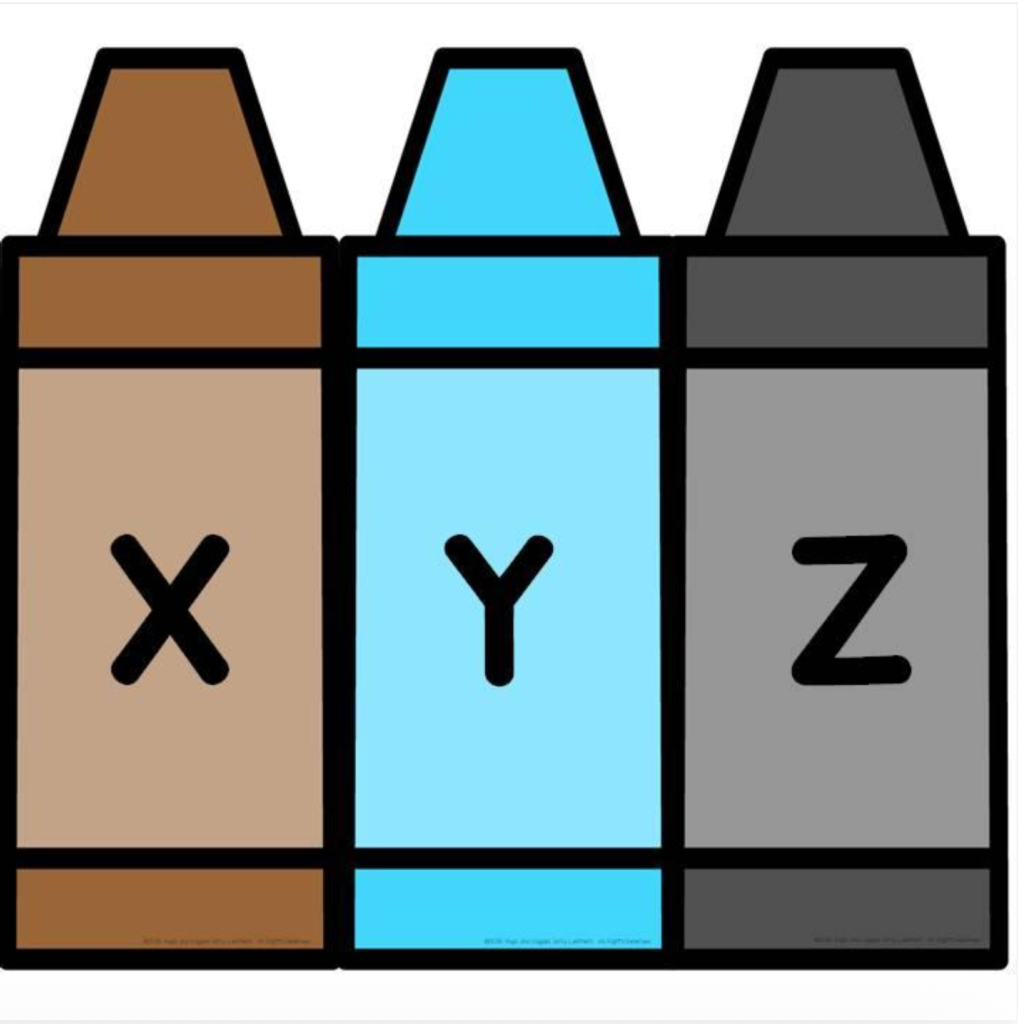
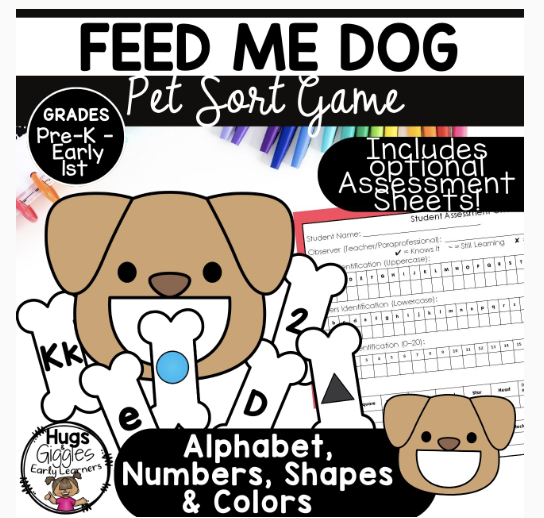
The activity centers on a simple, brilliant mechanic: children feed crayon cards through a cut-out mouth into a small decorated box. That’s it. To a four-year-old, it’s a game. To you, it’s a window into exactly what each child knows about letters, numbers, shapes, and colors.
Because the format feels playful, children respond naturally. They’re not performing — they’re just playing — which means the data you collect actually reflects what they know, not how anxious they felt on a given morning.
What’s Inside the Resource
The resource includes the crayon cards, setup instructions for the box, and a data-tracking checklist for each student. The checklist is where the long-term value lives. You can record each child’s responses, return to the activity throughout the year, and watch the checkboxes fill in over time.
That visible progress does something powerful for preschoolers. When a child can see — actually see — that they now know more shapes than they did last month, confidence follows. They start to understand that learning is something that happens to them, something they can track and feel proud of.
You can find Preschool Assessment: Letters, Numbers, Shapes & Colors on my shop.
How Teachers Are Using It
This preschool informal assessment fits naturally into a one-on-one rotation during center time. While the rest of your class works at their stations, you pull one child at a time for a few quiet minutes. The whole interaction is calm, connected, and purposeful.
Once you’ve cycled through your class, the checklist data helps you form small groups by need. Who needs more practice on letter names? Who has colors locked in but is still shaky on shapes? Who is ready to move further? The answers are right there on your checklist — no guessing, no relying on memory.
Homeschool parents love it too. It gives structure to what might otherwise be a loosely organized check-in, and it creates a record of growth that’s easy to share with a learning coach or document for a portfolio.
Why One-on-One Matters in Preschool
There’s a reason this activity is designed for individual assessment rather than whole-group. Young children perform differently when they’re the only one in the room with you. The pressure of peers watching disappears. The connection between teacher and child deepens. And you get information you simply cannot get from a group activity — because you can hear exactly which letter name they’re unsure about, watch exactly which shape trips them up.
That individual time also builds the kind of relationship that makes preschool work. Kids who feel known by their teacher feel safe. Kids who feel safe take more risks. Kids who take more risks learn faster.
You can find Preschool Assessment: Letters, Numbers, Shapes & Colors on my shop.
Start the Year with Clarity
Whether you use this as a baseline assessment in your first week, a mid-year check-in, or an end-of-year celebration of growth, this activity gives you something rare: data you trust, gathered in a way that feels good for everyone in the room.
If you’re ready to know exactly where every preschooler stands on letters, numbers, shapes, and colors — and to watch them light up as they see how much they’ve learned — this resource is waiting for you.
Grab it today and use it with your first student tomorrow: https://teacherstore.io/?post_type=product&p=45631