

Why Your Adult ESL Students Are Proficient but Not Fluent
There is a moment every adult ESL teacher recognizes. A student sits in front of you with years of English study behind them. Their grammar is solid. Their vocabulary scores are fine. And yet — something is off. They hesitate before they speak. They second-guess words they already know. In professional or social settings, they shrink.
This is not a grammar problem. It is a fluency problem, and it lives underneath the vocabulary, not in it.
Proficiency Is Not Fluency
Proficiency means knowing the word. Fluency means knowing what the word carries with it — the history behind it, the cultural weight it holds, the emotional register native speakers attach to it without thinking.
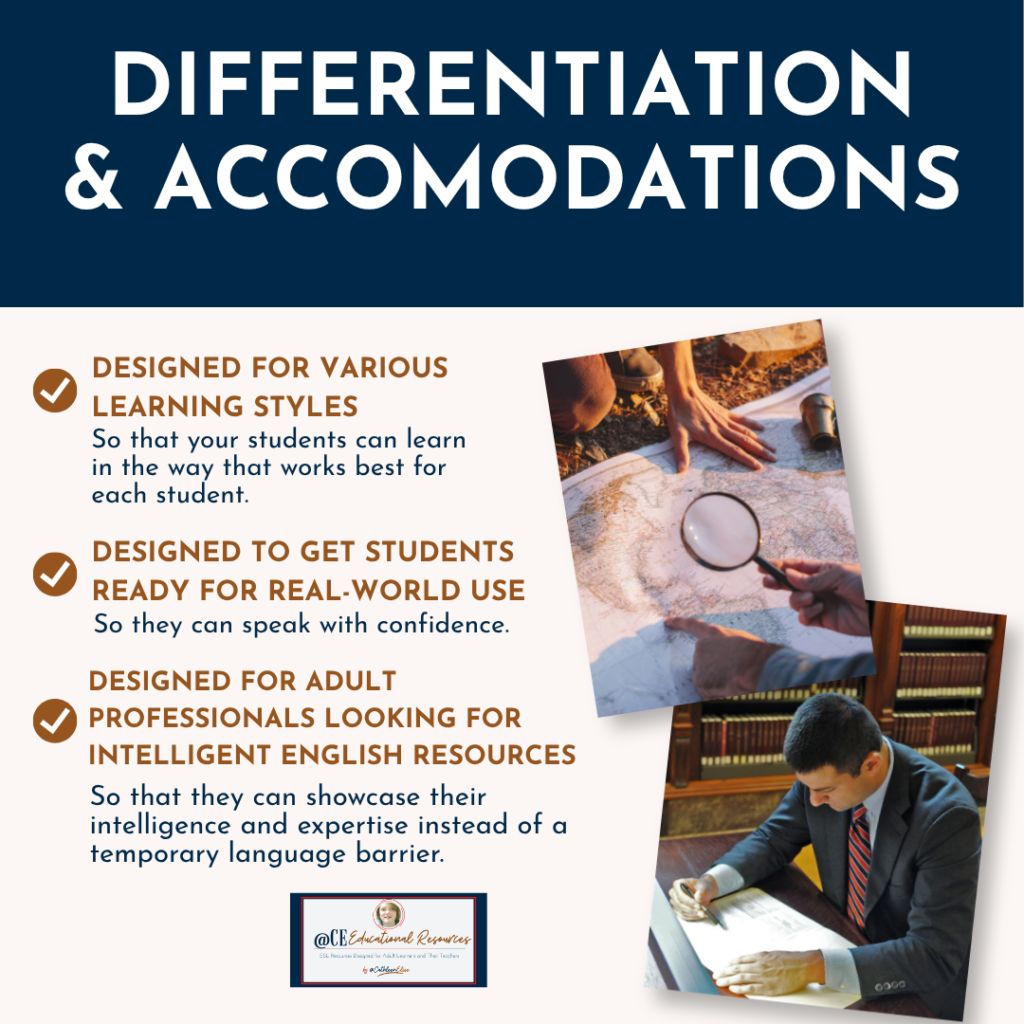
One of my students was a head corporate lawyer of a global corporation. His written English was strong, but he could not hold his head up in front of his English-speaking colleagues because he felt as though he was always missing something that he could not name. He was. He was missing the story behind the language which prevented him from fully understanding the words he thought he understood and, therefore, prevented him from being able to accurately convey his expertise to his English-speaking staff, peers, superiors, and clients.
The Cultural Layer Nobody Teaches
When a Cambodian student I worked with struggled to produce the voiced ‘th’ sound, the barrier was not physical — it was cultural. In her culture, sticking out your tongue is a social taboo. That one sound required her to override a lifetime of cultural conditioning before she could even attempt it.
This is the kind of thing standard ESL materials never address. Word origins, historical development, cultural shifts in meaning, embedded emotional nuance — the understanding of these things is what separates a proficient speaker from a fluent one.
What Actually Helps
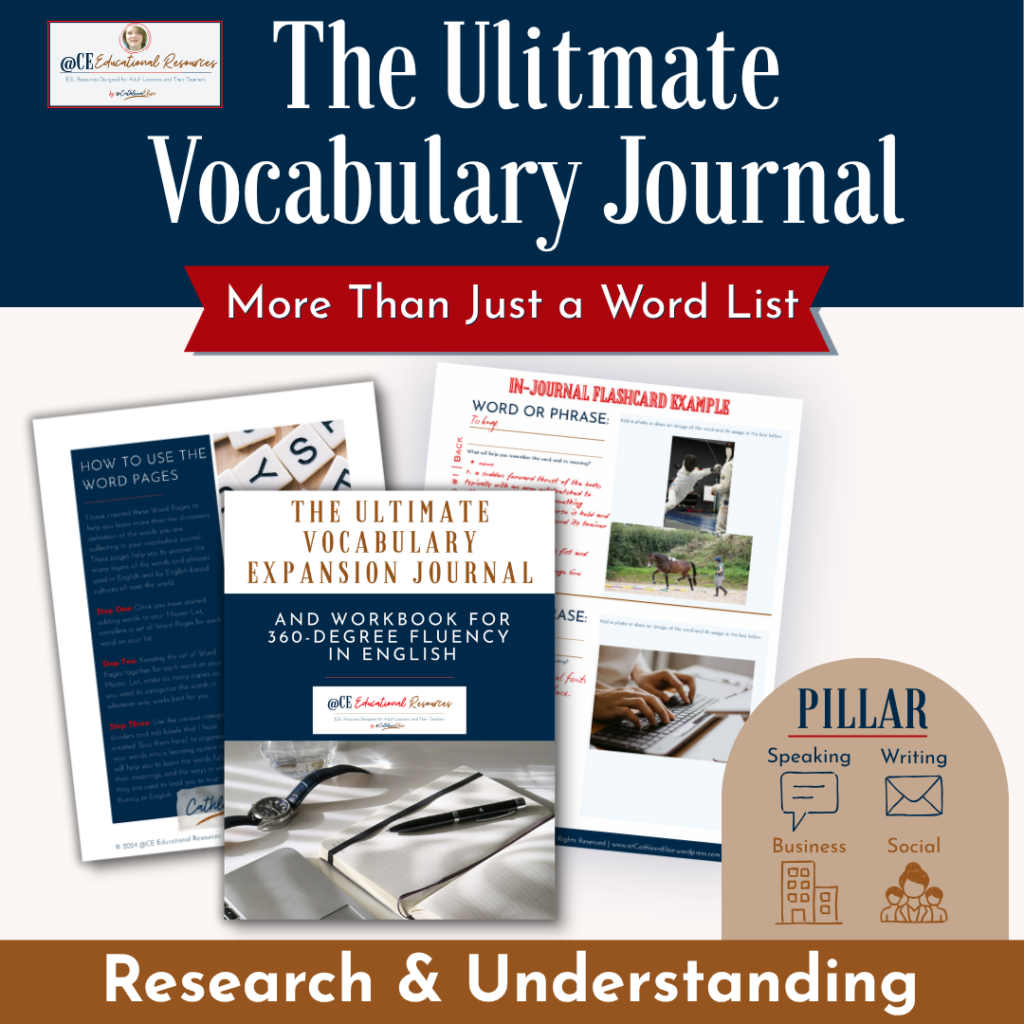
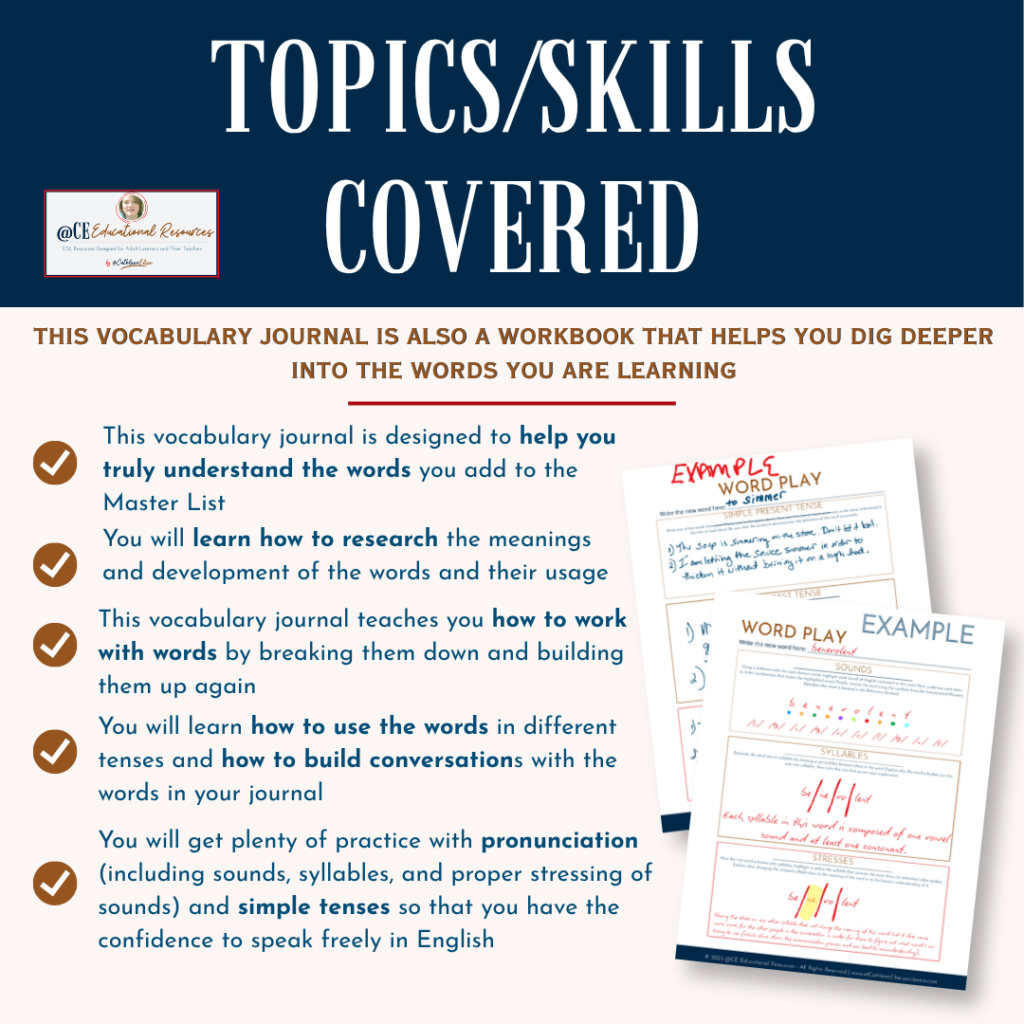
The Ultimate Vocabulary Expansion Journal and Workbook for 360-Degree Fluency in English that I created is built around the idea that every word has a story, and knowing that story changes everything.
Instead of memorizing definitions, learners research where a word came from. They trace how its meaning shifted over time. They look at what environmental or historical forces shaped the way native speakers originally used it and how these factors affect its use today. They practice pronunciation using the International Phonetic Alphabet, work through syllable stress, and then apply the word in conversations that they build themselves with the help of the 6-part Conversation-Builder worksheet.
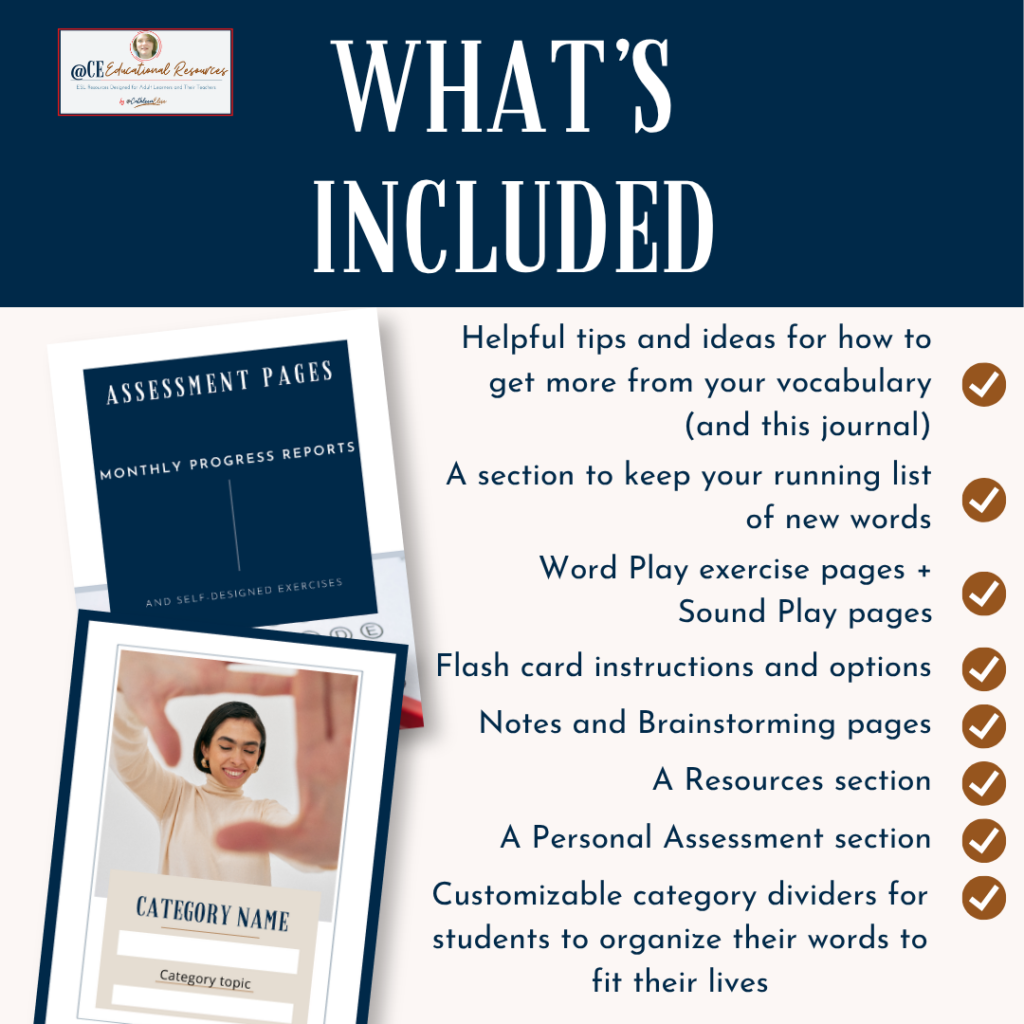
Everything goes into a customizable personal reference they build themselves — one they can expand long after your class ends.
Why This Works for Adult Learners Specifically
Adults bring a full cultural worldview to language learning. That worldview is not an obstacle — it is actually the key. When a learner understands that their confusion about a word is rooted in a genuine cultural or historical difference, they stop thinking they are stupid. They start thinking like a researcher.
That shift in identity — from struggling learner to curious investigator — is where real fluency begins.
What Is Inside
The unit covers how to research word origin and historical development, IPA pronunciation with syllable and stress guidance, simple tenses and sentence construction, conversation practice activities, and self-assessment reflection. Everything is structured clearly enough to work in a facilitated class or as independent study.
Are You Ready to Close the Gap?
If your adult ESL learners are stuck in proficiency and you want to help them cross into genuine fluency, this is built for that exact purpose. Take a look at the full Ultimate Vocabulary Expansion Journal and Workbook for 360-Degree Fluency in English and see if it is the right fit for your class.