Page & Plot

Hamlet 15-Day Complete Unit — William Shakespeare | 12th Grade AP Lit

$34.95

You May Also Like

Description

Description

Teach William Shakespeare’s Hamlet with a complete, ready-to-use 15-day AP Literature unit that moves students from genre context and Early Modern English fluency toward sophisticated literary argument — analyzing moral identity, the ethics of delay, performance and reality, gender and power, and the critical frameworks that make Hamlet one of the most argued-over plays in the English literary tradition.

This unit includes a 15-day pacing guide, a 32-slide instructional slideshow, 9 character posters, 15 student activity sheets, an AP essay rubric mirroring College Board scoring criteria, a higher-order unit quiz with a complete teacher answer key, 20 discussion cards across five thematic strands, a Socratic seminar participation tracker, and a complete unit resource guide with AP standards alignment. The unit is built around five essential questions that drive every activity, discussion, and writing task from Day 1 through the final assessment: How does Shakespeare construct Hamlet’s moral identity through delay? In a court where everyone performs, how can anyone know what is real? What does Ophelia’s madness reveal that her sanity was not permitted to say? Which critical lens illuminates what Hamlet most needs a reader to see? And has Hamlet achieved anything by the play’s end — or has he simply run out of time?

Students will analyze the revenge tragedy genre and Shakespeare’s systematic subversion of it, track Hamlet’s voice across four soliloquies and analyze how syntax enacts rather than describes his mental state, apply psychoanalytic, feminist, and political critical frameworks to specific moments in the play, engage with Tom Stoppard’s Rosencrantz and Guildenstern Are Dead as an intertextual lens on fate and agency, examine Ophelia and Gertrude as structurally parallel figures who reveal what the play denies its female characters, develop AP-style thesis statements using three distinct thesis models, construct a line of reasoning for a full literary argument essay, and prepare for and participate in a Harkness-format Socratic seminar on Hamlet’s final identity and what his death means.

All student activity sheets are formatted with table cells for student responses, making this unit fully compatible with Google Classroom, Canvas, Schoology, and other digital platforms.


What’s Included

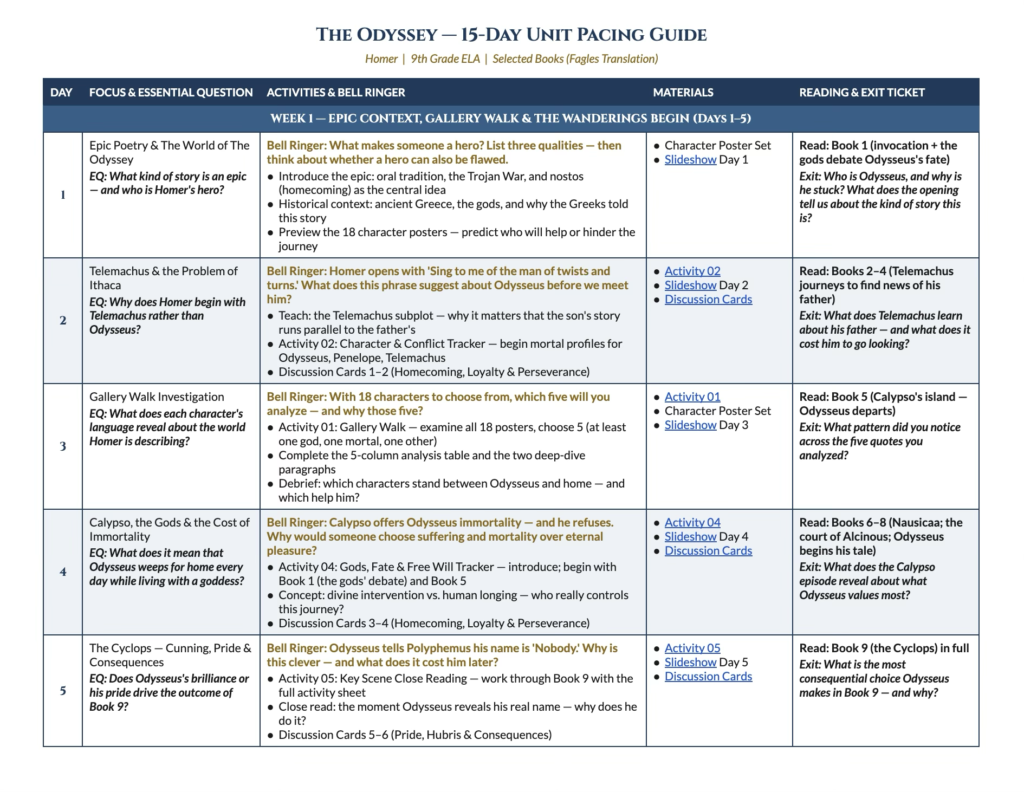
  • 15-Day Pacing Guide (landscape) — daily focus question, essential questions, bell ringers, step-by-step activities, materials, reading assignments, and exit tickets for every class period
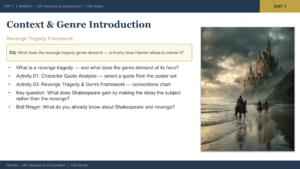
  • 32-Slide Instructional Slideshow — quote slides for key passages, content slides with essential questions and AP skill focus, embedded discussion card slides, week divider slides, and a full AP timed writing prompt slide; image placeholder boxes throughout for your own production photos
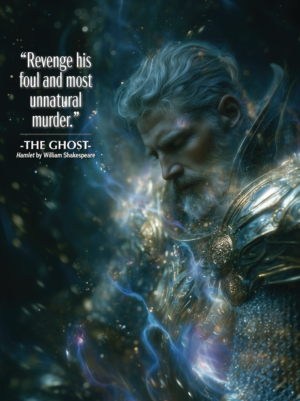
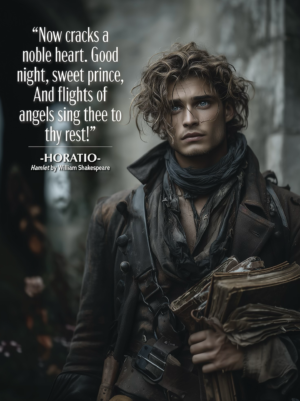
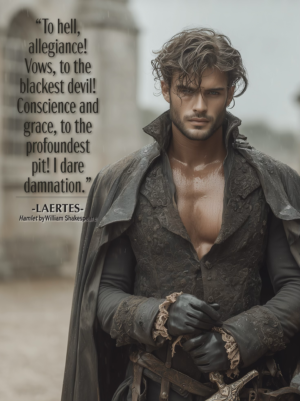
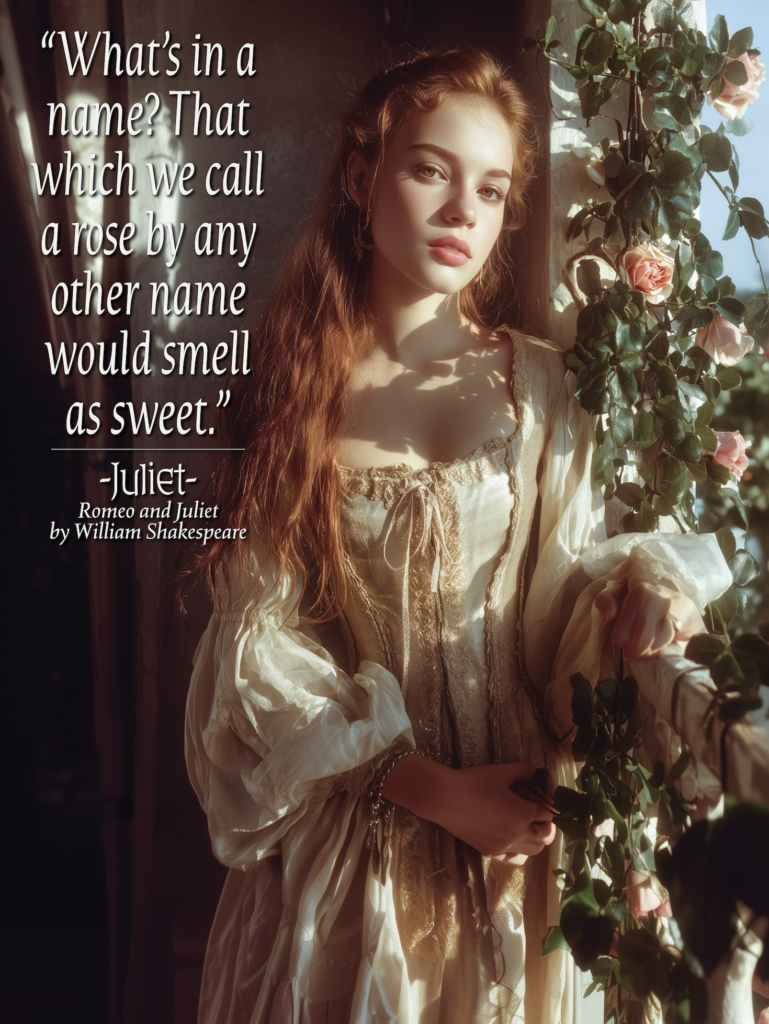
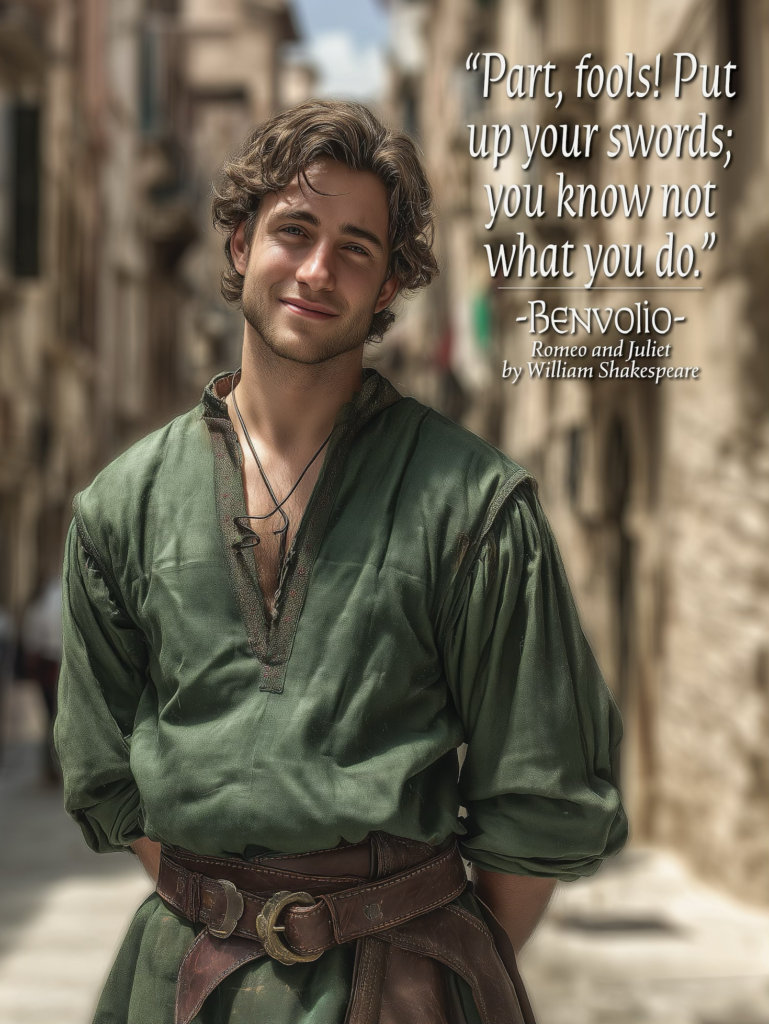
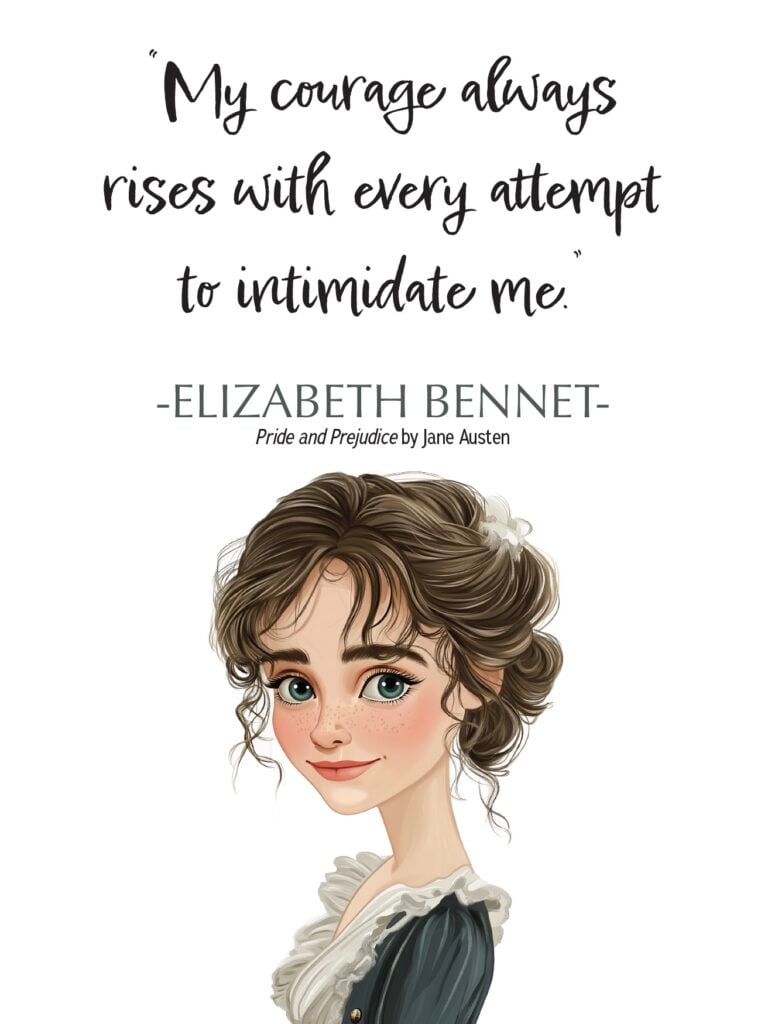
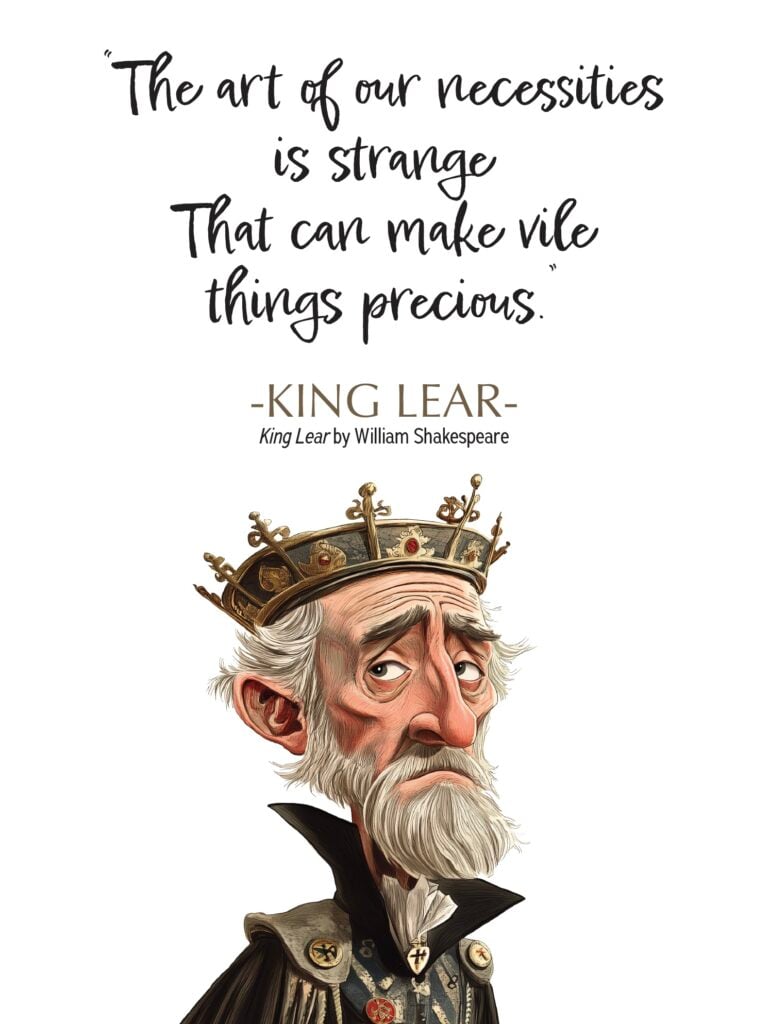
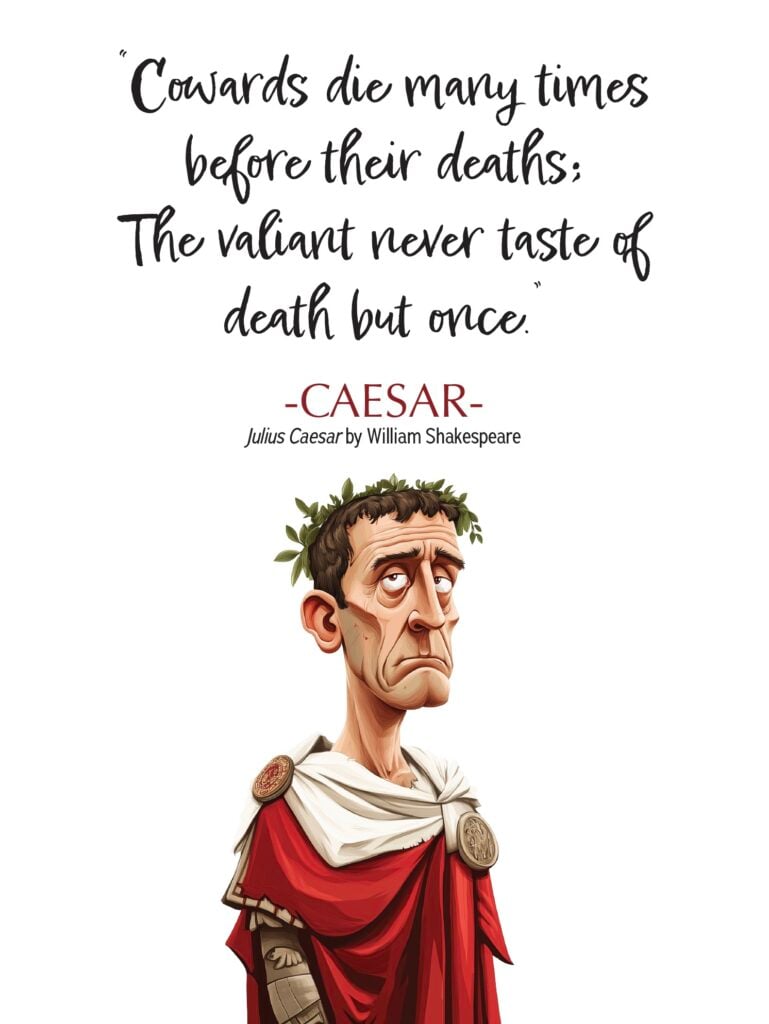
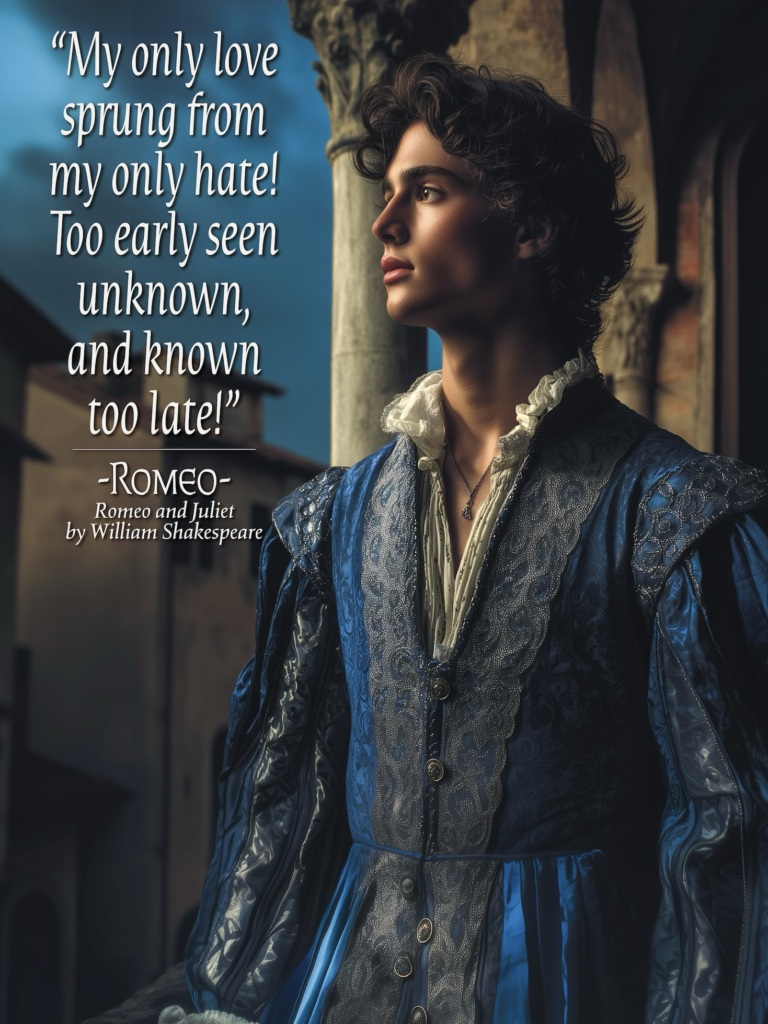
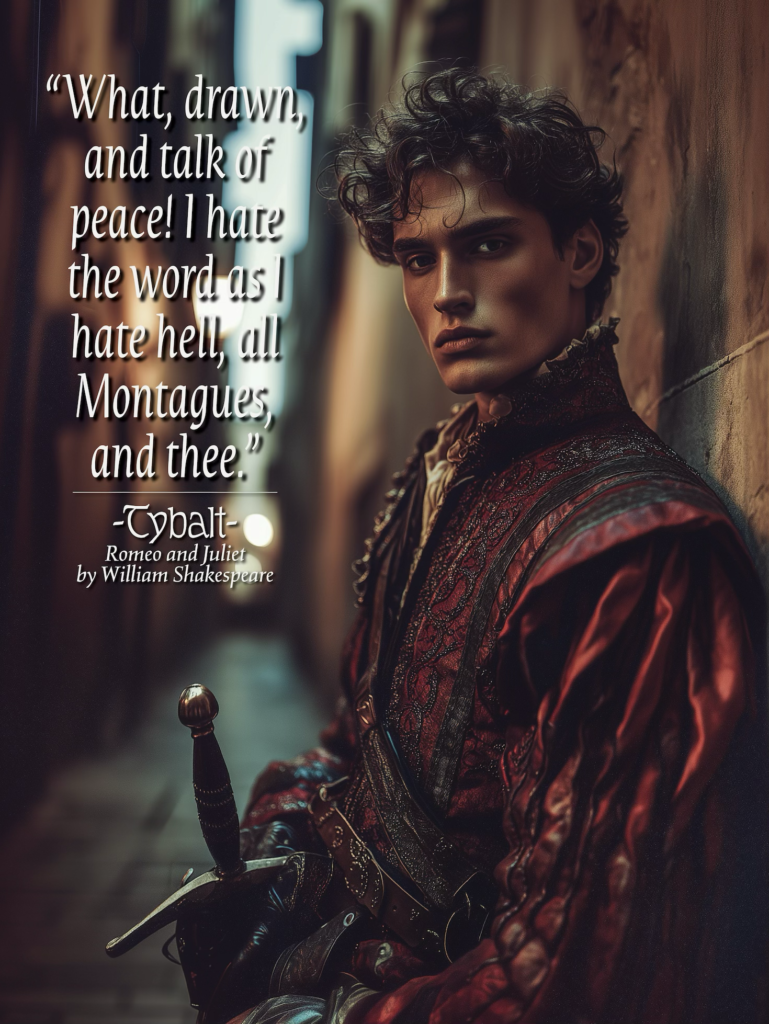
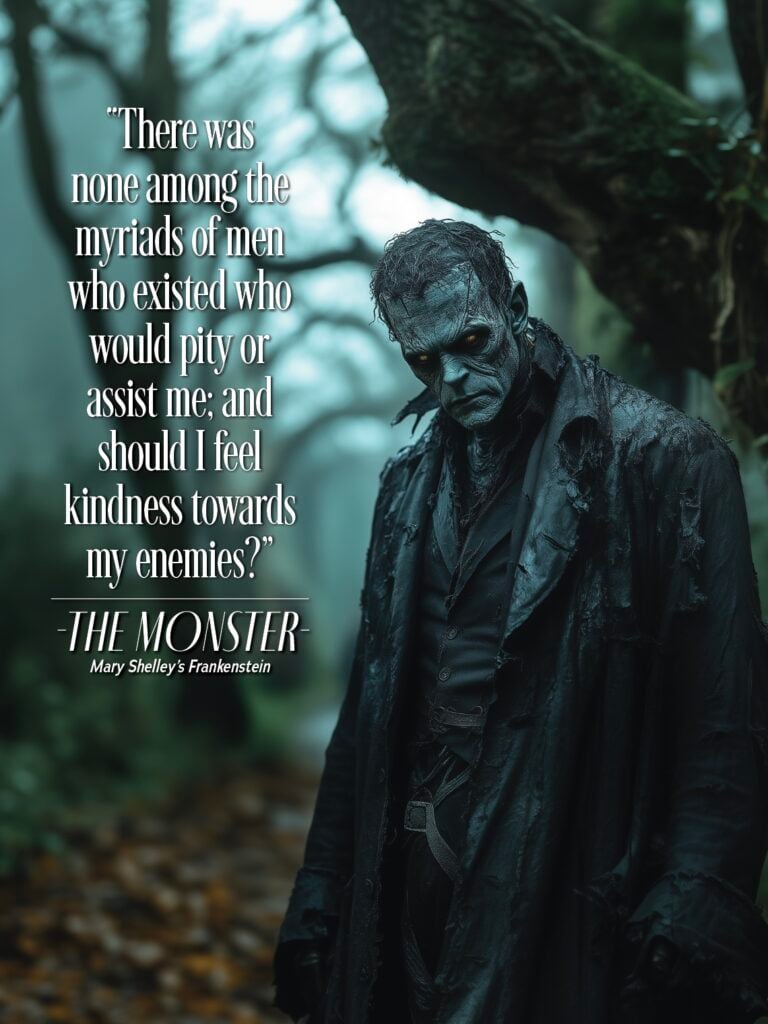
  • 9 Character Posters — full-cast poster set for gallery walk and character analysis (Hamlet, Ophelia, Claudius, Gertrude, Horatio, Polonius, Laertes, Fortinbras, The Ghost)
  • Activity 1: Character Quote Analysis — four-part close reading: contextual framing, diction analysis, tone, moral philosophy, and a full AP argument paragraph
  • Activity 2: Early Modern English Vocabulary Guide — grammar patterns, 16-word glossary with line references, passage practice on two key speeches, and a quick reference card students keep throughout the unit
  • Activity 3: Revenge Tragedy & Genre Framework — genre conventions chart, analysis of where Shakespeare uses and subverts each convention, and a working thesis preview
  • Activity 4: The Ghost & Moral Obligation — passage annotation, demand chart, moral problem table, and AP synthesis paragraph on the central paradox: revenge without contamination
  • Activity 5: Hamlet’s Soliloquies Close Reading — tracking chart across all four soliloquies, deep syntax analysis of one chosen soliloquy, development arc analysis, and AP synthesis paragraph on intelligence that makes action impossible
  • Activity 6: Performance vs. Reality Tracker — six-character performance tracker, close reading of “To be or not to be” as performance, theater metaphor analysis, and AP synthesis paragraph on identity as construction
  • Activity 7: Ophelia Analysis — key moments chart across four scenes, mad scene close reading, feminist lens application, Gertrude’s drowning account analysis, and AP argument paragraph on gender and power in Elsinore
  • Activity 8: The Play Within the Play — staging analysis, audience response chart, close reading of Hamlet’s instructions to the players, and the central question: does the Mousetrap prove Claudius guilty — or only Hamlet?
  • Activity 9: Foil Analysis — Hamlet, Laertes & Fortinbras — three-son comparison chart across six categories, Laertes vs. Hamlet close reading, Fortinbras at the ending, and AP argument paragraph with complexity move
  • Activity 10: Thesis Practice — Moral Identity & Inaction — three AP thesis types (interpretive, evaluative, complexity-forward), weak vs. strong thesis diagnosis, complexity-forward draft, and line of reasoning sketch
  • Activity 11: Motif & Symbol Tracker — motif selection from nine options, three-moment tracking chart across early, middle, and late play, AP synthesis paragraph on how meaning accumulates, and craft analysis extension
  • Activity 12: Critical Lenses — Psychoanalytic, Feminist & Political — three frameworks applied to specific moments in the play with evaluative paragraph on which lens is most illuminating and which the play most actively resists
  • Activity 13: Socratic Seminar Preparation (Harkness Format) — opening claim, evidence dossier of three quotations with analysis, counterargument preparation, discussion build-on point, and post-seminar reflection
  • Activity 14: AP Literary Argument Essay Planning — full AP scaffold with prompt unpacking, thesis checklist, line of reasoning framework, evidence planning grid, and sophistication move development
  • Activity 15: AP Timed Writing Packet — three AP-style Q3 prompts (Moral Identity & Inaction; Performance, Reality & the Self; Power, Corruption & Legitimate Authority) with pre-writing structure, full essay space, and AP self-assessment
  • AP Literary Argument Essay Rubric (landscape) — mirrors official AP Lit scoring criteria: Row A Thesis (0–1 points), Row B Evidence & Commentary (0–4 points), Row C Sophistication (0–1 points), with scored examples of what earns and does not earn each criterion and a 0–6 → 0–50 classroom score conversion table
  • Unit Quiz + Teacher Answer Key — 10-item matching (scrambled), 5 select-all-that-apply questions, 5 higher-order multiple choice questions, and 2 AP-style short answer questions; full rationales for every item in the answer key
  • 20 Discussion Cards (5 themes) — Revenge, Delay & Moral Identity; Performance, Theater & Reality; Women, Power & Silence; Critical Lenses & Complexity; Shakespeare’s Craft & Final Argument; each card includes a central analytical question and a discussion prompt
  • Socratic Seminar Participation Tracker — landscape teacher clipboard for Day 13 with 30 student rows, five contribution columns (opens inquiry, cites evidence, builds on peer, challenges with evidence, revises thinking publicly), total score column, qualitative notes column, and scoring key
  • Complete Unit Resource Guide — master index with AP standards alignment chart, activity-by-activity teacher notes, and full bundle overview

Skills Covered

Students will practice:

  • close reading of dramatic verse — diction, syntax, tone, and Early Modern language
  • AP Literary Argument essay construction (Q3 — line of reasoning, sophistication point)
  • AP-style thesis development across three thesis types
  • evidence selection and genuine analytical commentary
  • character analysis as a vehicle for thematic argument
  • soliloquy analysis — how sentence structure enacts rather than describes mental state
  • motif and symbolic development tracking across a full play
  • applying psychoanalytic, feminist, and political critical frameworks
  • intertextual analysis — engaging with Stoppard and with the revenge tragedy tradition
  • Harkness-format Socratic seminar preparation and participation
  • foil analysis as structural argument
  • dramatic convention analysis — soliloquy, aside, dramatic irony, verse/prose shifts
  • timed writing and AP self-assessment
  • MLA citation and academic writing conventions

Great For

  • Hamlet AP Literature unit (12th grade)
  • British literature and Shakespeare unit
  • Elizabethan drama and revenge tragedy study
  • AP Literature and Composition exam preparation
  • feminist and psychoanalytic literary criticism introduction
  • political and postcolonial critical frameworks
  • Socratic seminar and Harkness discussion
  • literary argument essay and timed writing preparation
  • close reading and dramatic verse analysis (AP Lit Q1 and Q2 preparation)
  • intertextual analysis — Stoppard and the revenge tragedy tradition
  • high school ELA (grades 11–12, honors or AP)

Why Teachers Love It

This unit is designed to be comprehensive, rigorous, and classroom-ready at the AP level. The 15-day pacing guide walks you through every class period with a daily focus question, bell ringers, step-by-step activities, reading assignments, and exit tickets — so the planning is already done.

What makes this unit stand out is how seriously it takes the play’s central difficulty. Most Hamlet units ask students whether Hamlet is a hero or a coward. This unit asks something harder: what does it mean that the play’s most morally intelligent character is also its most catastrophic failure? That question drives every activity, every discussion card, and every AP writing task — and it produces the kind of interpretive thinking the AP Literature exam actually rewards.

Activity 5 (Hamlet’s Soliloquies) is the unit’s most important analytical activity, and it goes further than most. Rather than asking students what Hamlet says in each soliloquy, it asks how the sentence structure, syntax, and imagery enact his mental state — how the language performs the paralysis it describes. The deep reading section asks a question that consistently produces the unit’s strongest student writing: what would be lost if the speech were written in plain declarative sentences? Students who can answer that question are genuinely prepared for AP Lit Q1.

Activity 9 (Foil Analysis) is built around a structural argument that unlocks the play’s ending. By the time students have compared Hamlet, Laertes, and Fortinbras across six categories — and grappled with the question of whether Laertes is a heroic contrast or a cautionary parallel — the final scene reads completely differently. Hamlet’s dying vote for Fortinbras stops being a dramatic convenience and starts being Shakespeare’s most pointed political irony.

Activity 12 (Critical Lenses) is where the unit becomes genuinely college-level. Students apply psychoanalytic, feminist, and political frameworks to specific moments in the play, then argue which lens is most illuminating and which the play most actively resists. The political lens — asking what Shakespeare argues about legitimate authority through the Fortinbras ending — consistently produces analysis that surprises even strong students who thought they understood the play.

The AP essay rubric is built on the actual AP Literature scoring criteria — Row A Thesis, Row B Evidence & Commentary, Row C Sophistication — translated into a classroom-usable format with scored examples and a direct AP score to classroom grade conversion table. The quiz is designed to reward higher-order thinking: the matching section asks students to identify characters’ structural function in the play’s argument, not just recall plot. The multiple choice questions include items on critical lenses, what earns the AP thesis point, and how to identify a defensible thesis — the kind of questions that distinguish students who understood the play from students who summarized it.

The Harkness-format Socratic seminar preparation (Activity 13) requires students to arrive with a defensible opening claim, an evidence dossier of three quotations with analysis, a prepared counterargument response, and a build-on point for a peer’s likely position. The post-seminar reflection is built into the same document. Strong seminar participation does not happen without preparation — this activity structures exactly what that preparation requires.


Suggested Use

  • Day 1: Character poster gallery walk, Character Quote Analysis, revenge tragedy and genre context
  • Day 2: Early Modern English Vocabulary Guide — language fluency and passage practice
  • Day 3: The Ghost & Moral Obligation — Act 1 close reading and the central paradox
  • Day 4: Hamlet’s Soliloquies — Acts 1–2 tracking chart and syntax analysis workshop
  • Day 5: Performance vs. Reality Tracker — Act 3 close reading and theater metaphor
  • Day 6: Ophelia Analysis — Acts 3–4 feminist lens and mad scene close reading
  • Day 7: The Play Within the Play — staging, theatrical irony, and the Mousetrap
  • Day 8: Foil Analysis — Hamlet, Laertes & Fortinbras comparison and AP paragraph
  • Day 9: Thesis Practice — three thesis models, weak vs. strong diagnosis, line of reasoning
  • Day 10: Motif & Symbol Tracker — motif workshop and AP synthesis paragraph
  • Day 11: Critical Lenses — psychoanalytic, feminist, and political frameworks
  • Day 12: Stoppard, Elizabethan context, and the play’s unresolved questions — unit quiz
  • Day 13: Socratic Seminar Preparation and full-period Harkness discussion
  • Day 14: AP Essay Workshop — line of reasoning, sophistication point, planning template
  • Day 15: AP Timed Writing — pre-writing, full essay, and AP self-assessment

Please Note

This is a digital resource. No physical item will be shipped.

This resource does not include the full text of Hamlet. It is designed to accompany your classroom reading of Shakespeare’s play. All activities reference act, scene, and line numbers consistently and are compatible with any edition of the play — Folger, Arden, Norton, Penguin, or No Fear Shakespeare alongside the original. References to Rosencrantz and Guildenstern Are Dead by Tom Stoppard are provided as contextual framing within the activity sheets and slideshow and do not reproduce substantial portions of that text.

Additional information

Grade Level

12, 11

Subject

English Language Arts

Course

AP Literature

Resource Type

Complete Unit

Duration

15 Days

Format

PDF, Google Slides, Google Docs, PowerPoint

Skills

Literary Analysis, Close Reading, Writing

Thanks for your review!

Your feedback helps us improve our service.

error

Only logged in customers who have purchased this product may leave a review

Loading...
Leave a Video Review

Vendor Information

  • Store Name: Page & Plot
  • Vendor: Page & Plot
  • No ratings found yet!

Page & Plot

Rebecca Persad

Meet the Seller

Page & Plot ELA is a store for teachers who want thoughtful, polished, classroom-ready resources without spending hours building everything from scratch. You’ll find complete literature units, character posters, discussion activities, essay planning tools, classroom decor, and creative ELA projects designed to make teaching literature feel more manageable, more meaningful, and a little beautiful, too.

Notes & Quotes:

“The best classrooms are curated spaces: every lesson a brushstroke, every student a story still being written.”

Need Help with an Existing Order?

Shop More From This Store