$34.95
Teach Harper Lee’s To Kill a Mockingbird with a complete, ready-to-use 13-day 9th Grade ELA unit that moves students from historical context and character introduction toward structured persuasive argument — analyzing justice, racism, class and poverty, moral courage, and the social forces that shape life in Maycomb. Built as a single track for standard, honors, or mixed-ability classes, with scaffolding placed where students actually need it.
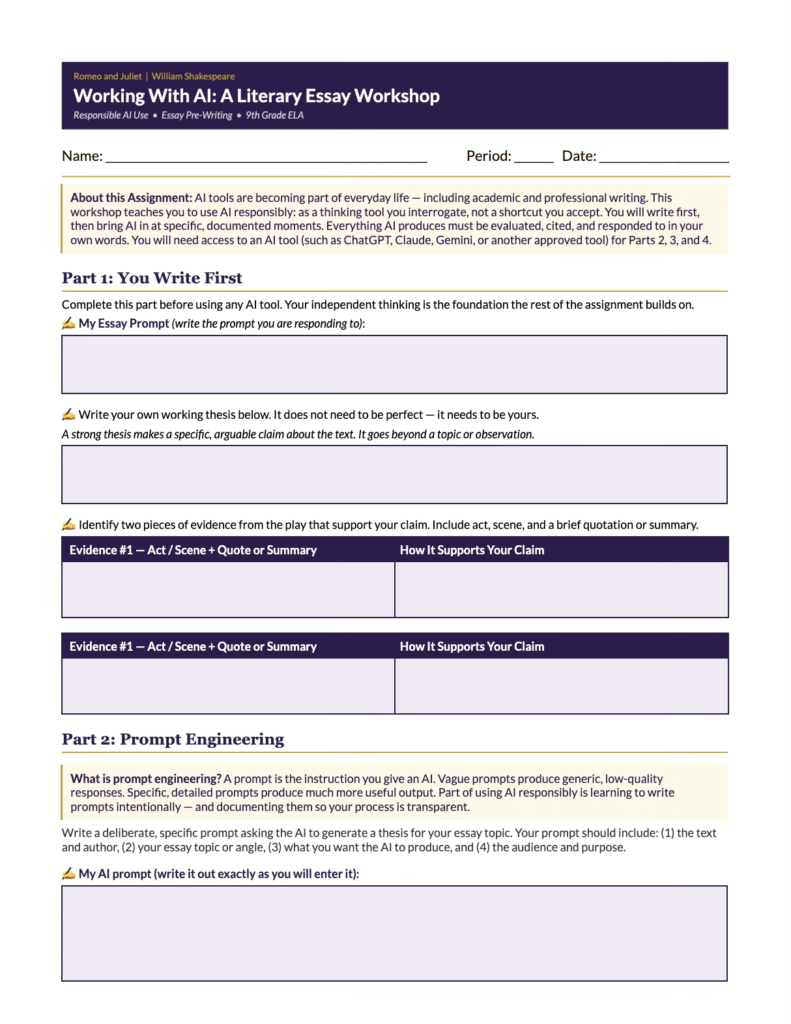
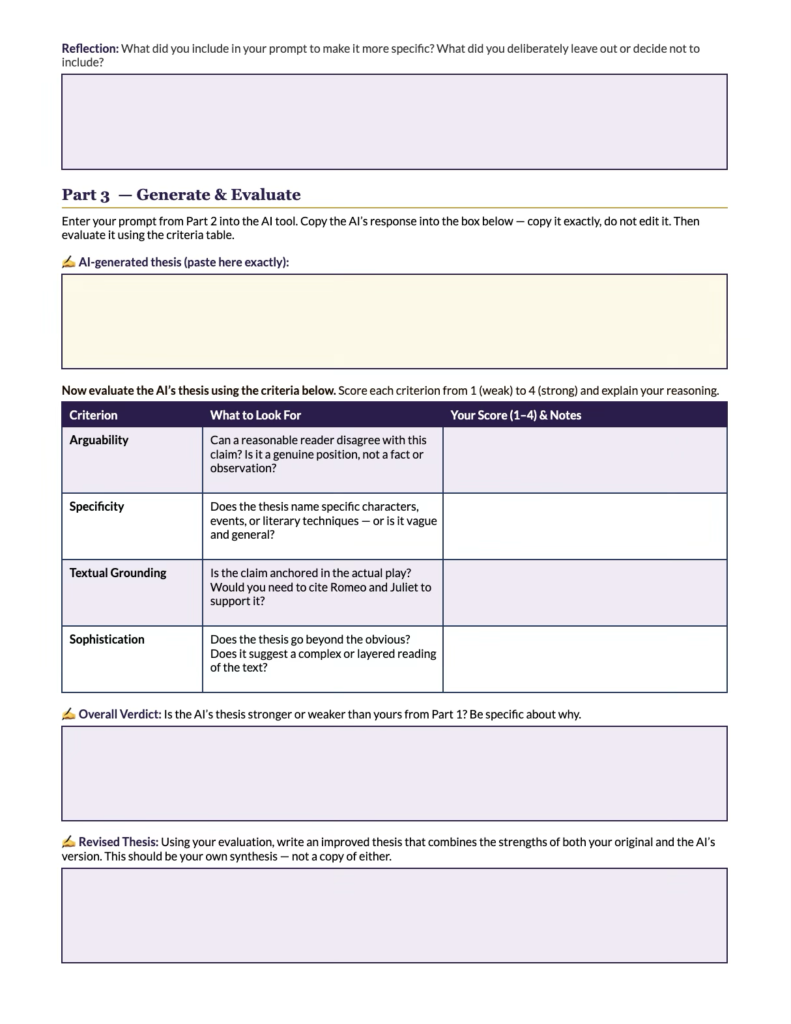
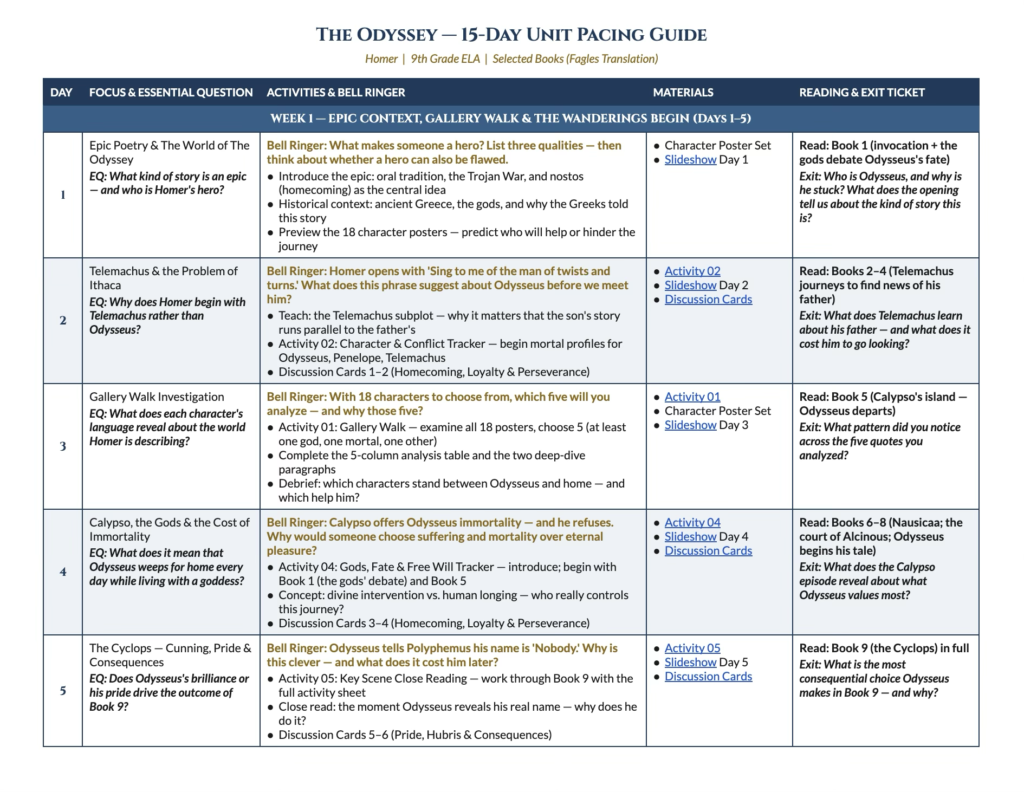
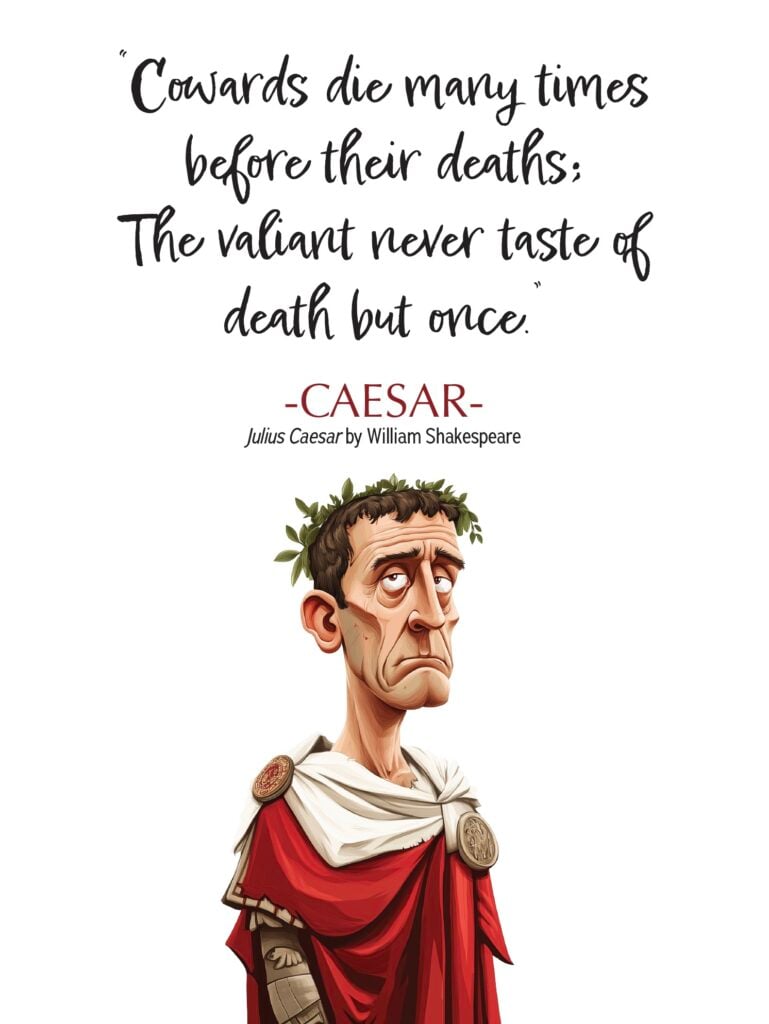
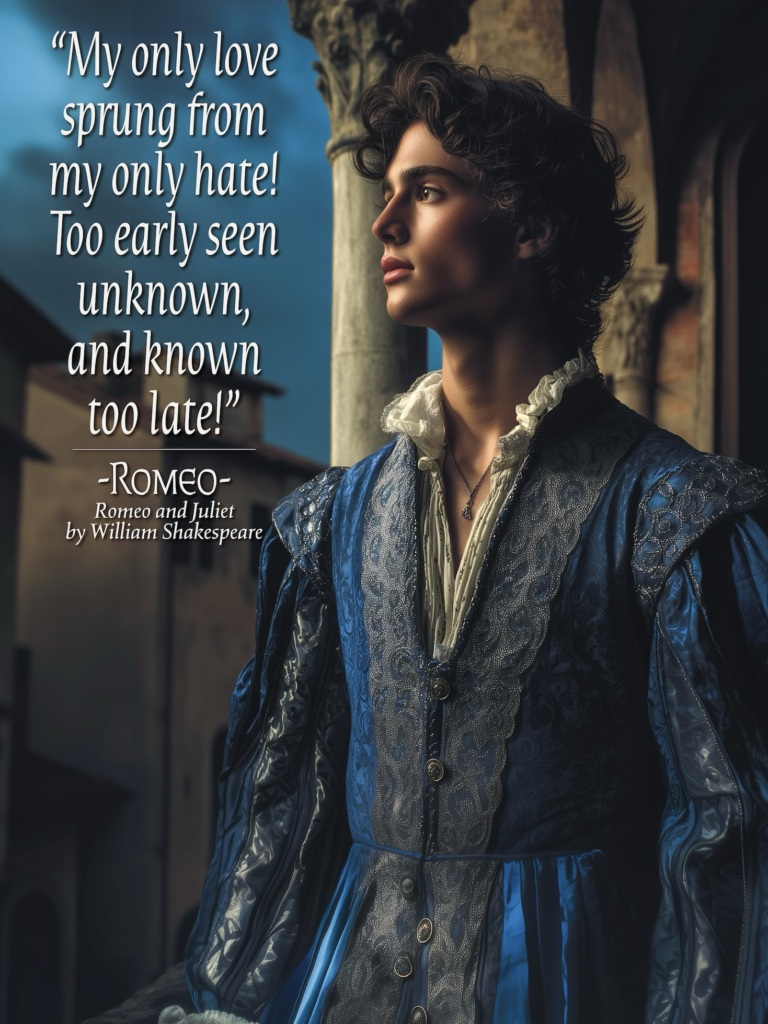
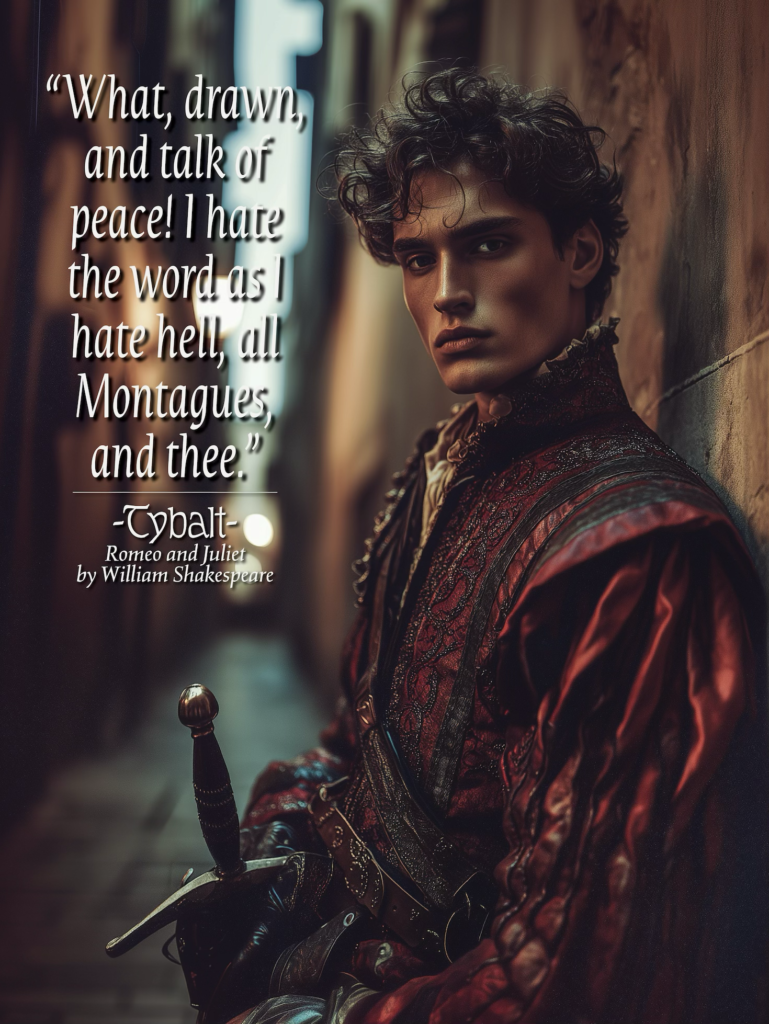
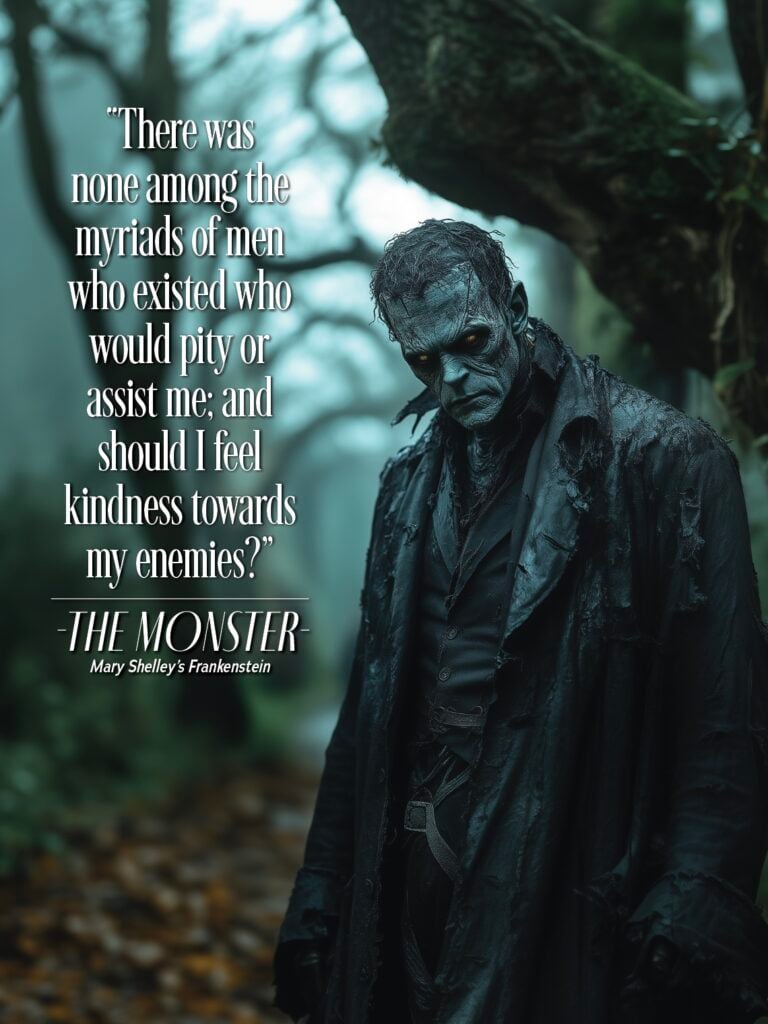
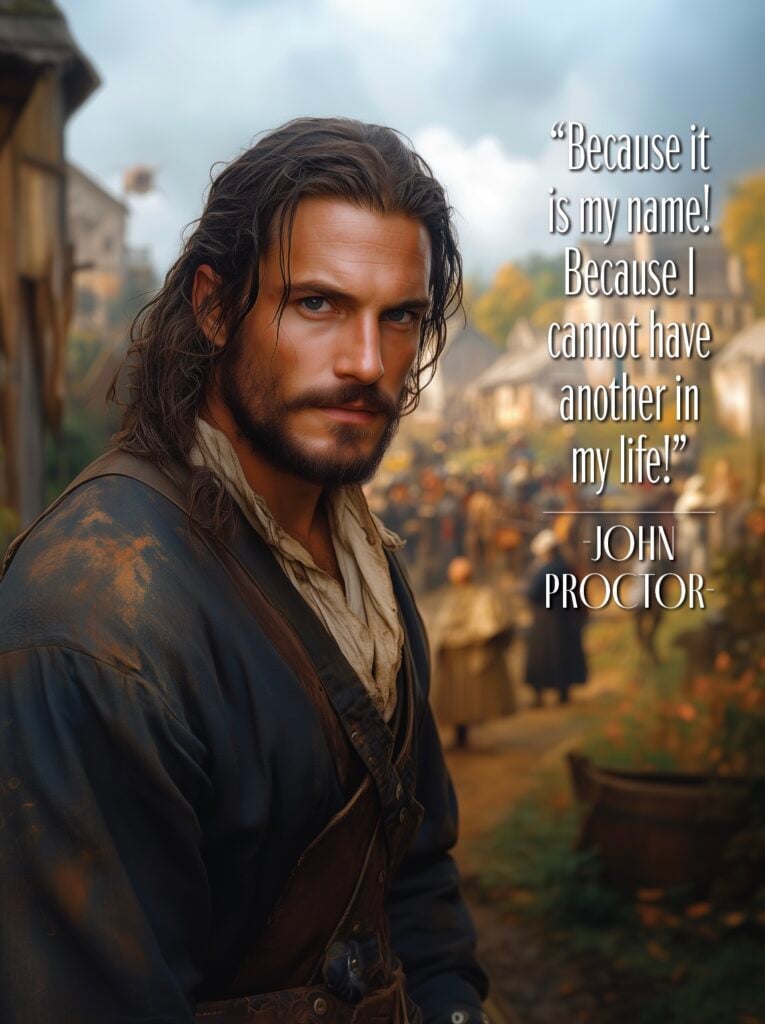
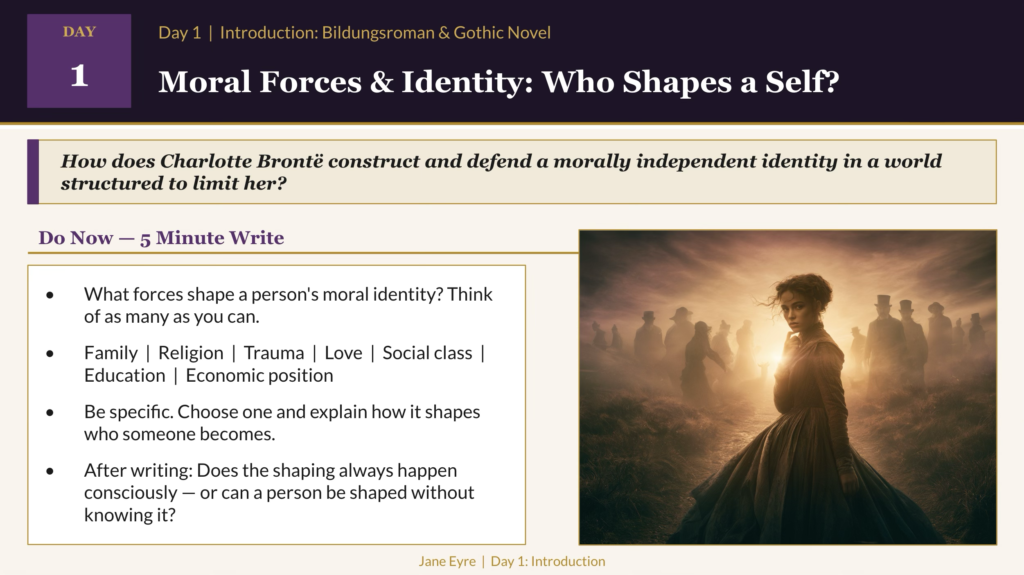
This unit includes a 13-day pacing guide, a 57-slide instructional slideshow with built-in teaching content, 10 character posters, 8 student activity sheets, three persuasive essay organizers with a graphic outline, a 50-point essay rubric, a higher-order unit quiz with a complete teacher answer key, 16 discussion cards across four thematic strands, and a complete unit resource guide with Virginia SOL standards alignment.
The unit is built around five essential questions that drive every activity, discussion, and writing task from Day 1 through the final assessment: How do justice, race, and class shape life in Maycomb — and who does the system protect? What is the difference between what is legal and what is right? What does it mean to show moral courage when the whole community is against you? How do Scout and Jem lose their innocence — and what do they learn in its place? And what does the novel argue about empathy that still applies today?
Students will analyze character choices and the social forces behind them, distinguish individual prejudice from systemic injustice, map Maycomb’s social hierarchy, track four major themes from early to late evidence, close-read the trial and verdict as the novel’s turning point, build and defend a written argument using textual evidence and MLA citation, address and rebut a counterargument in a full persuasive essay, and participate in collaborative discussion using structured discussion cards.
All student activity sheets are formatted with table cells and structured response boxes for student writing, making this unit fully compatible with Google Classroom, Canvas, Schoology, and other digital platforms.
What’s Included
Skills Covered
Students will practice:
Great For
Why Teachers Love It
This unit is comprehensive, rigorous, and classroom-ready at the 9th grade level. The 13-day pacing guide walks you through every class period — daily focus, essential questions, bell ringers, step-by-step activities, reading assignments, and exit tickets — so the planning is already done. And the slideshow actually teaches: it delivers historical context, literary concepts, and worked writing examples on the slides, not just a daily to-do list.
What makes this unit stand out is that its activities fit this novel rather than a generic template. The two activities at its core — the Racism & Injustice Tracker and Class & Poverty in Maycomb — push students past “the book is about racism” toward the harder, more precise questions the novel actually raises: When the evidence clears Tom Robinson and the jury convicts anyway, is that the work of individual prejudice or of an unjust system? Why does Maycomb respect the Cunninghams and scorn the Ewells when both are equally poor? Those questions produce specific, arguable writing instead of plot summary.
Activity 05 (Key Scene Close Reading) goes further than a typical scene worksheet. Students work through Tom’s testimony, analyze Atticus’s closing argument for ethos, logos, and pathos, and reach the turning-point question: why can nothing be undone after the verdict? Students who can answer that precisely are ready to write a genuine argument essay.
The three essay prompts — Racism & Justice, Moral Courage, and Empathy & the Mockingbird — are calibrated for a full range of 9th graders and map directly onto the activities students have already completed, so no one starts the essay from a blank page. The organizers place scaffolding where students stall — in the analysis and explanation sections, not at the top. Every analysis box has specific sub-questions, the counterargument table has sentence starters in both columns, and the outline includes guiding prompts for the hook, body-paragraph explanation, and broader significance.
The unit quiz rewards the thinking the unit builds. Questions ask students to analyze why a single sentence dooms Tom in the courtroom, identify what the mockingbird symbolizes, and reason about the difference between what is legal and what is just — and the short-answer key distinguishes a response that describes what happened from one that argues why it matters.
Suggested Use
Please Note
This is a digital resource. No physical item will be shipped.
This resource does not include the full text of To Kill a Mockingbird. It is designed to accompany your classroom reading of Harper Lee’s novel. All activities reference chapters consistently and are compatible with any edition.
| Grade Level | 9, 10, 11, 12 |
|---|---|
| Subject | English Language Arts |
| Course | American Literature |
| Resource Type | Complete Unit |
| Duration | 13 Days |
| Format | PDF, Google Slides, Google Docs, PowerPoint |
| Skills | Literary Analysis, Close Reading, Writing |
/5
Total reviews
|
|
Persons recommended this product
Anonymous
Shopper
check_circle Verified
Shop owner replied
Was this helpful
Anonymous
Shopper
check_circle Verified
Shop owner replied
Was this helpful
There are no reviews yet.
Be the first to review “ ”
Your feedback helps us improve our service.
Only logged in customers who have purchased this product may leave a review

,
Page & Plot ELA is a store for teachers who want thoughtful, polished, classroom-ready resources without spending hours building everything from scratch. You’ll find complete literature units, character posters, discussion activities, essay planning tools, classroom decor, and creative ELA projects designed to make teaching literature feel more manageable, more meaningful, and a little beautiful, too.

Come for the Resources.
Stay for the Community.
2025 Copyright Tech and Mortar, LLC