$34.95
Teach Mary Shelley’s Frankenstein with a complete, ready-to-use 10-day unit that helps students analyze character, ambition, isolation, moral responsibility, and the ethics of creation.
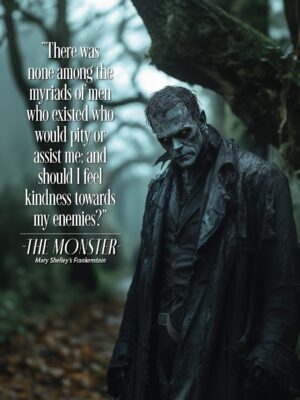
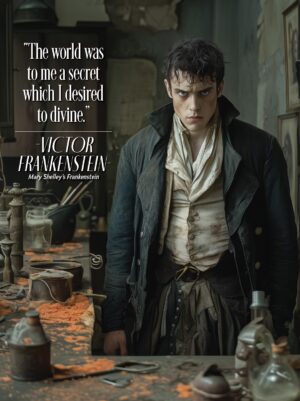
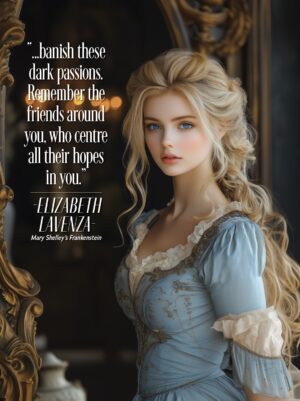
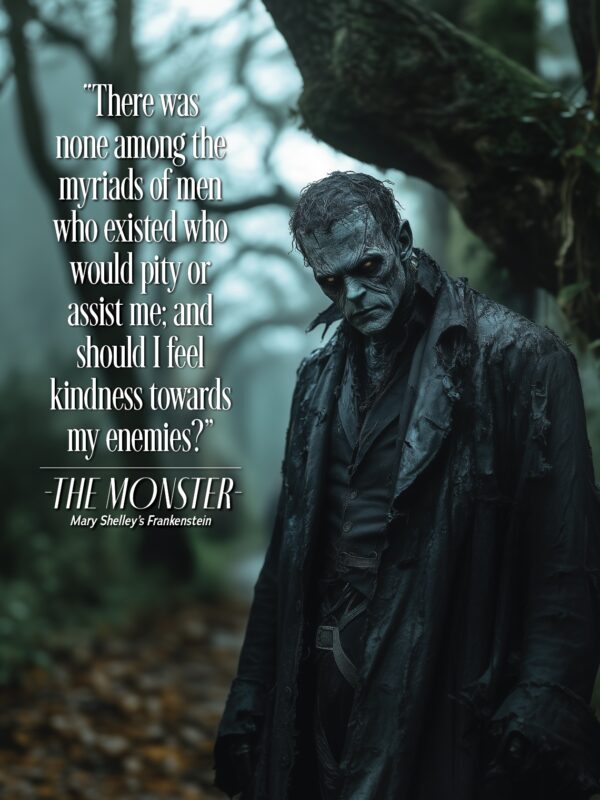
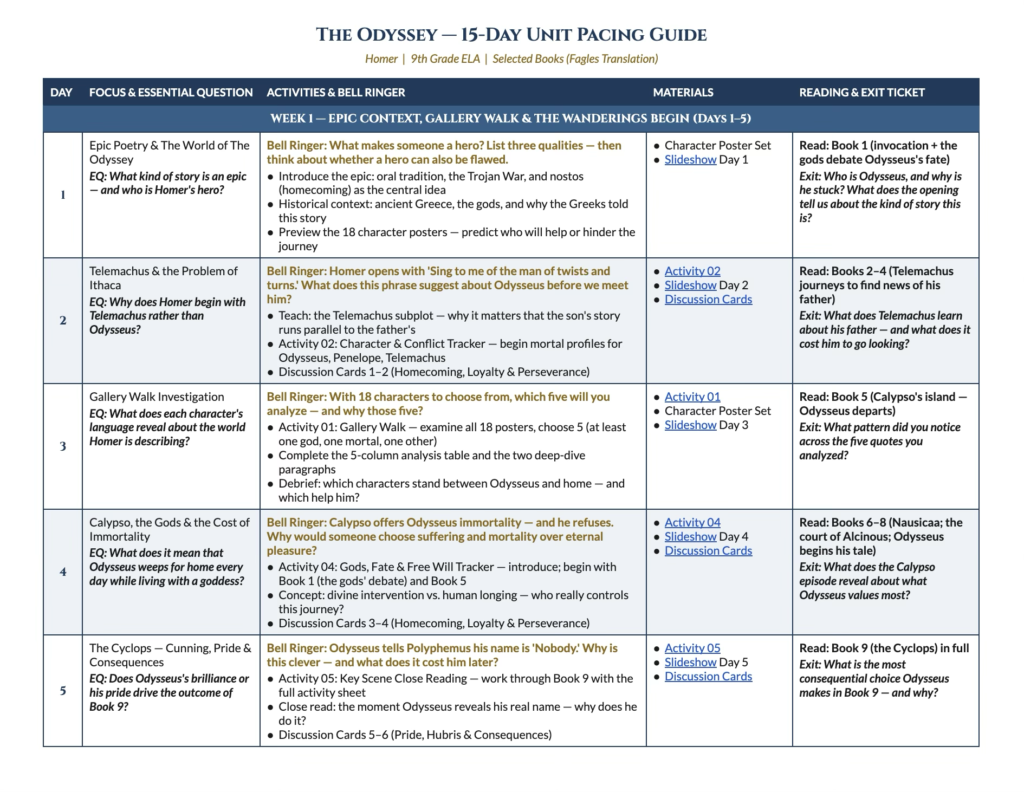
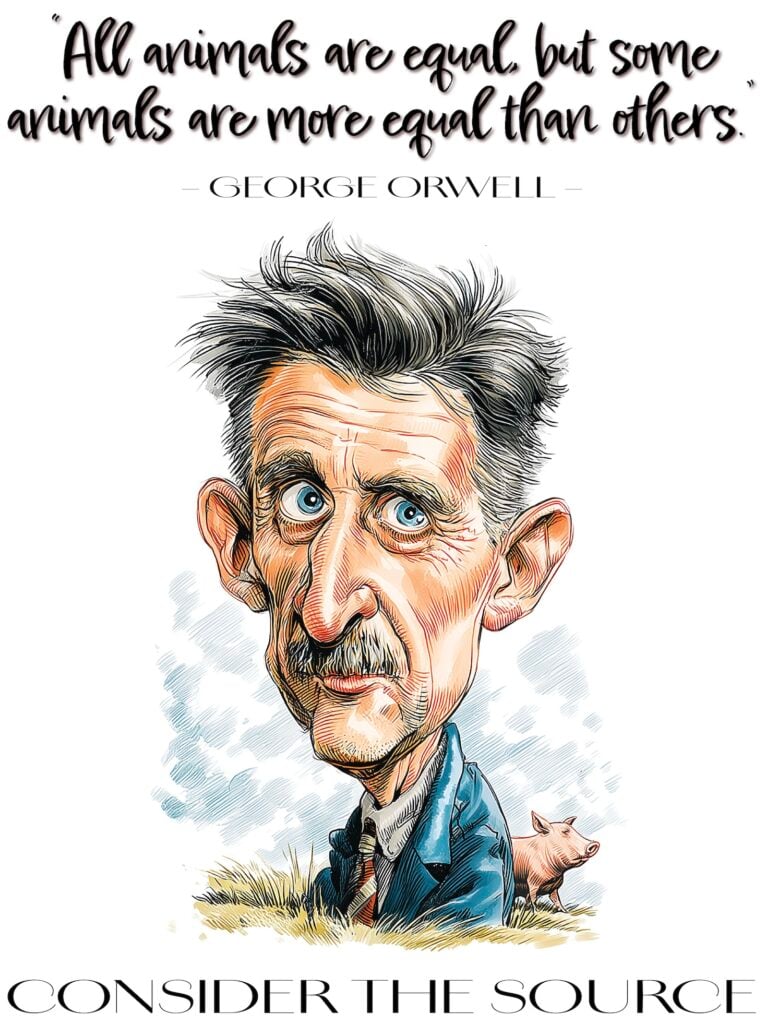
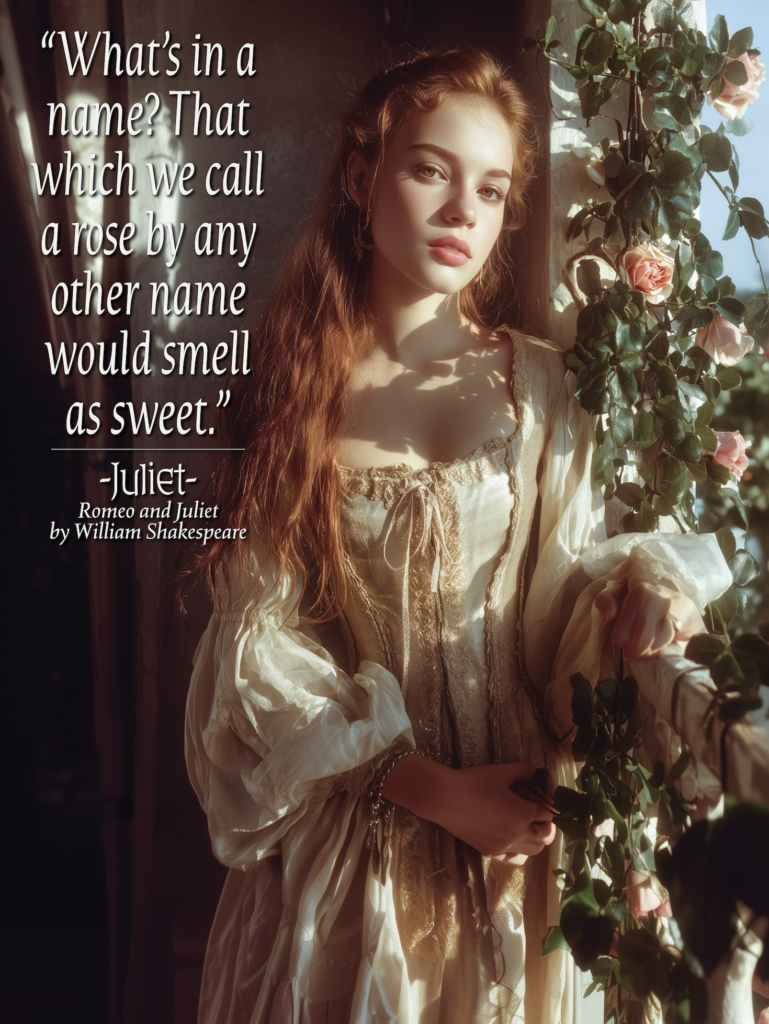
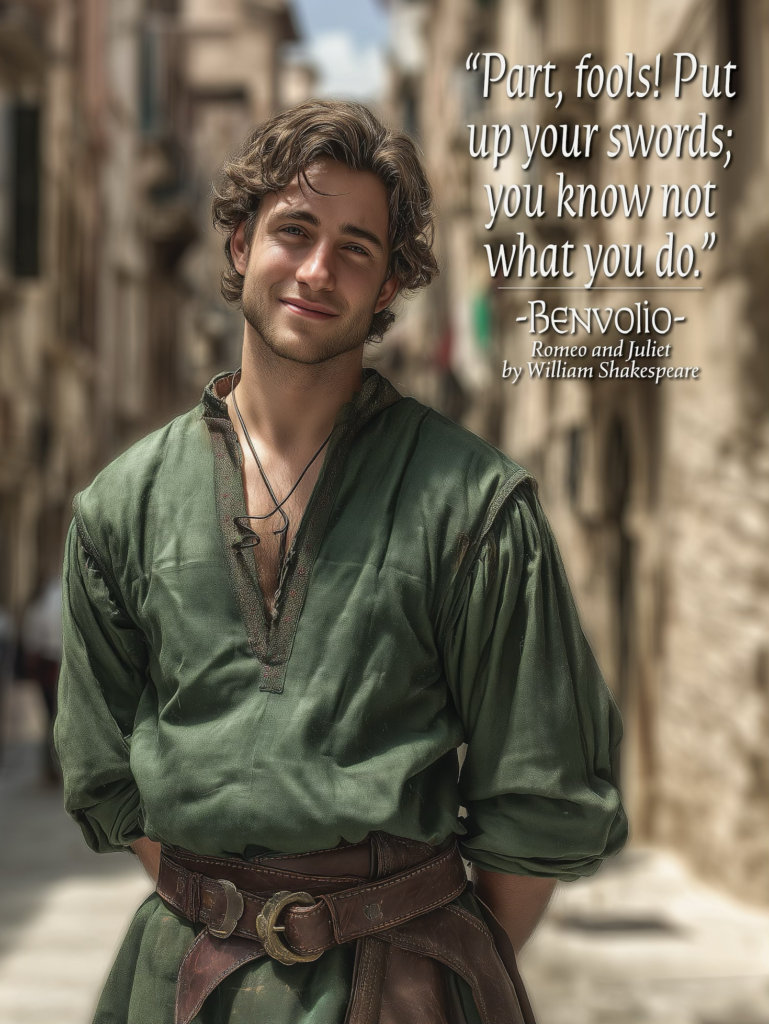
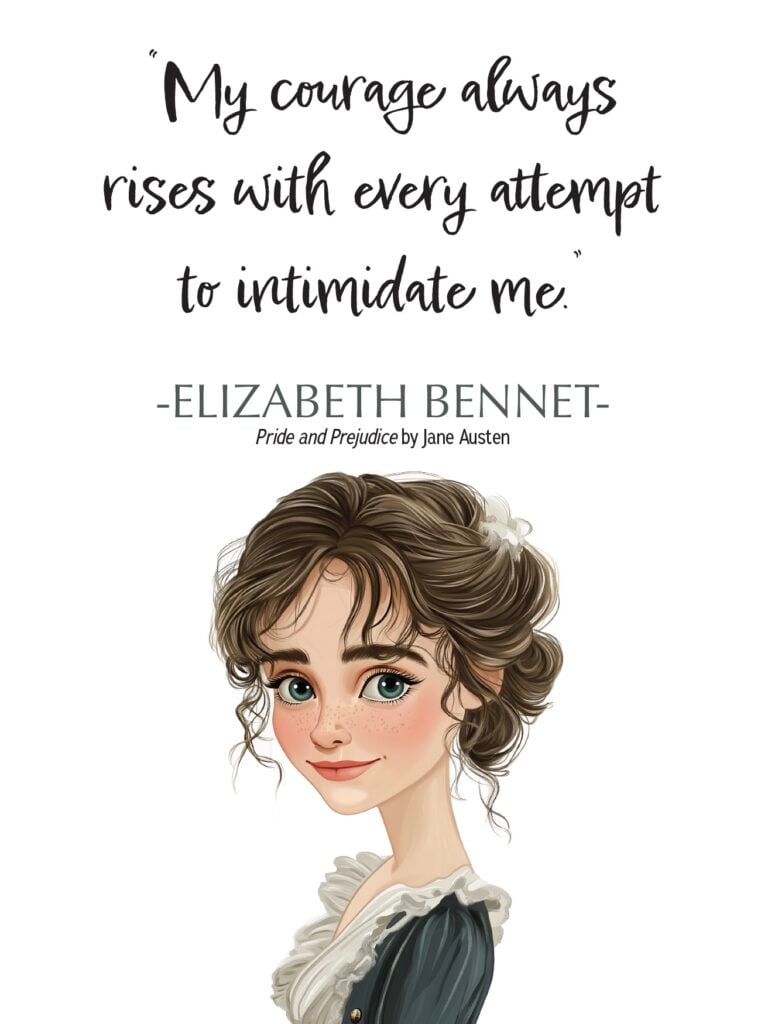
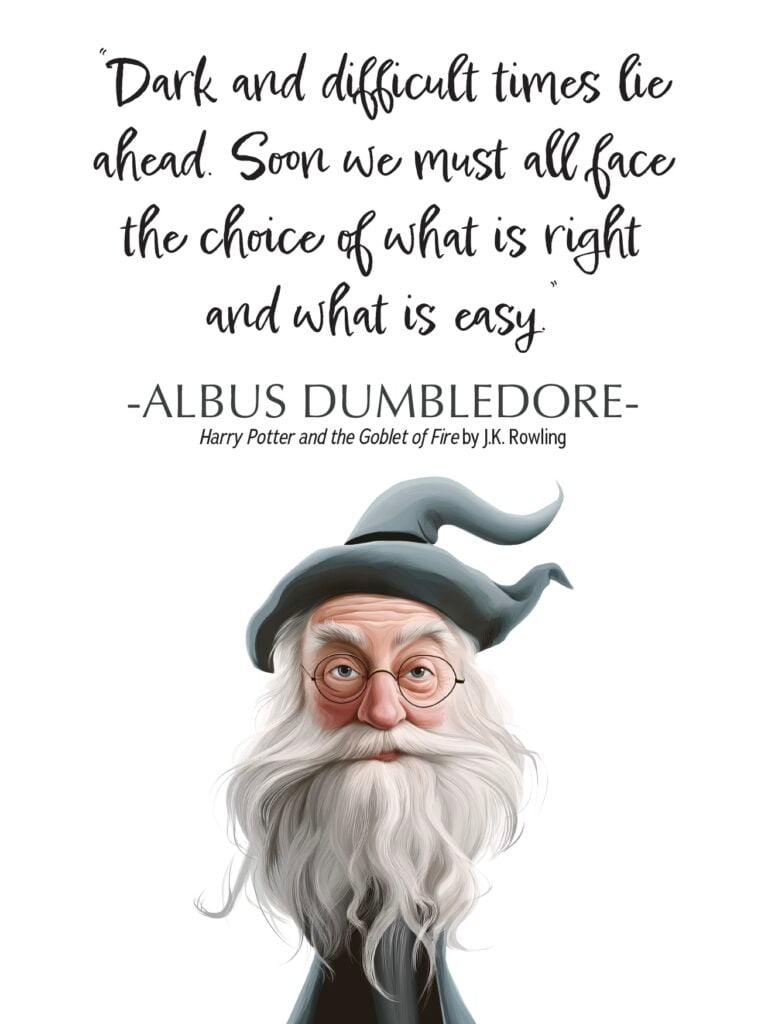
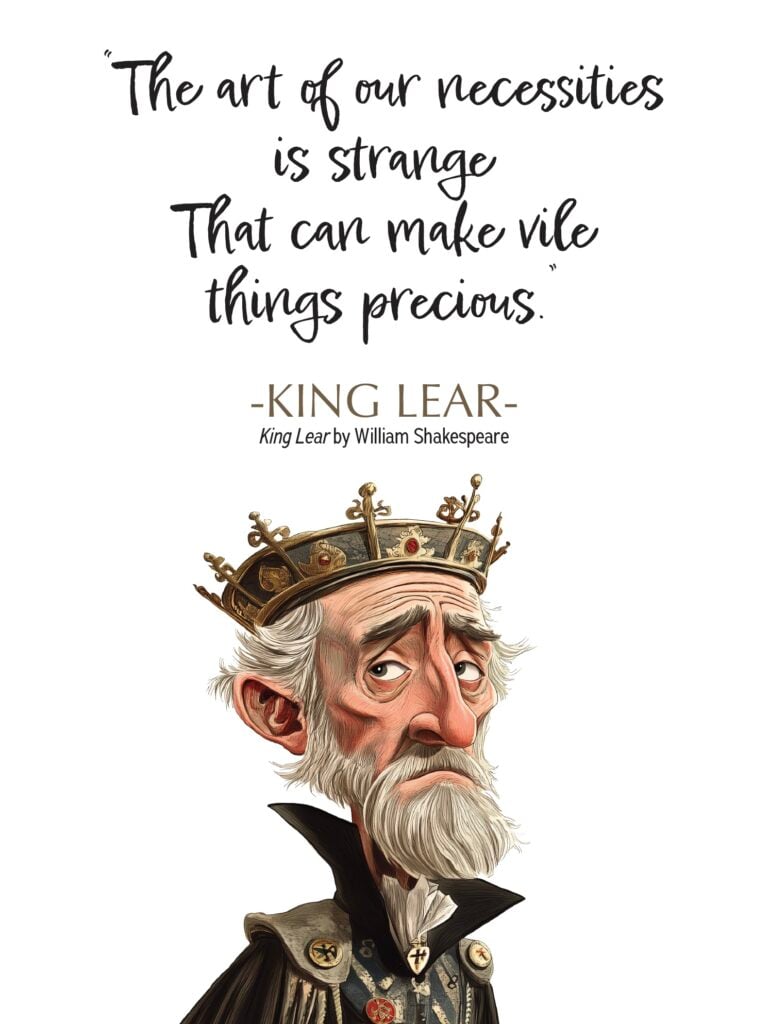
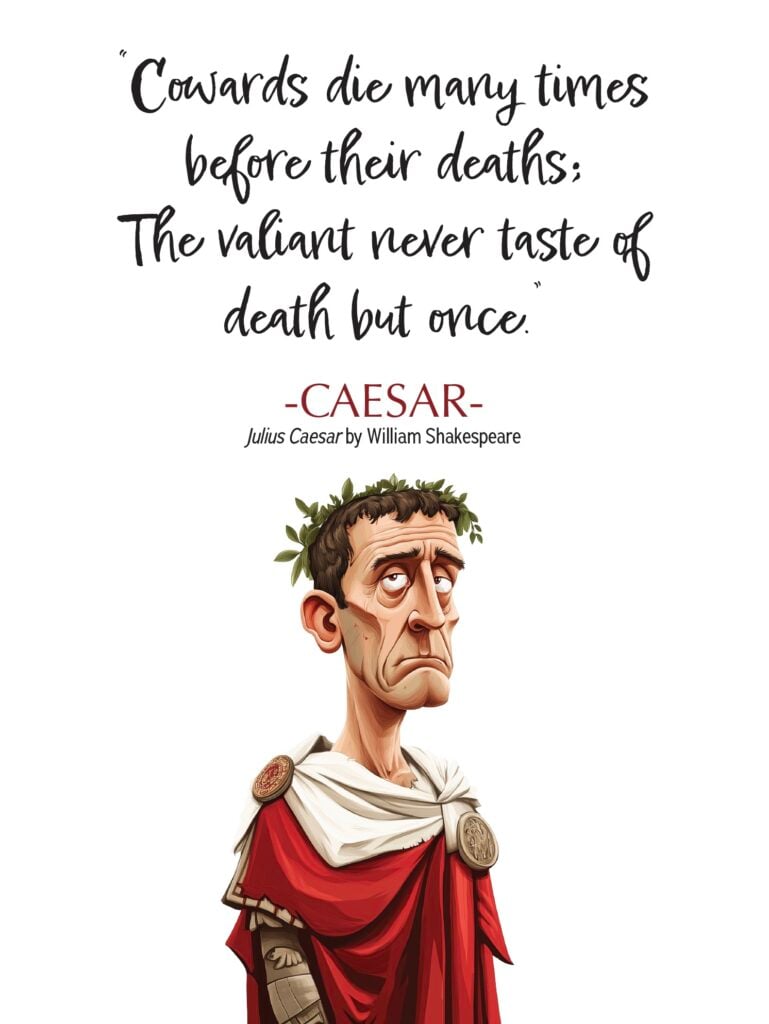
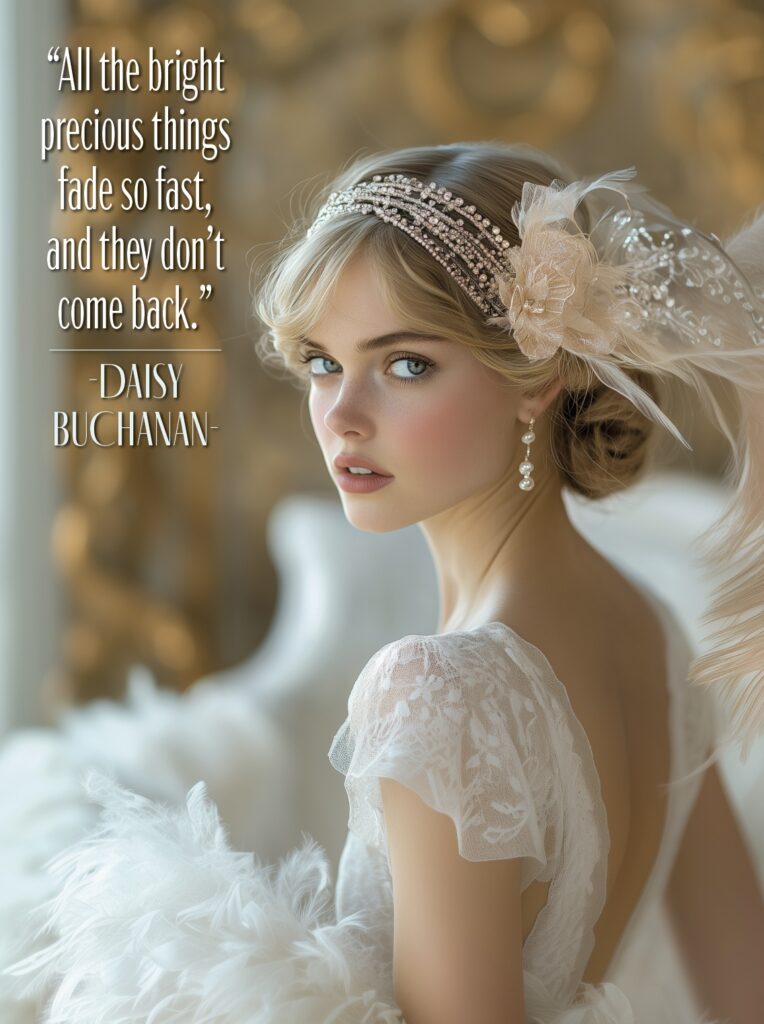
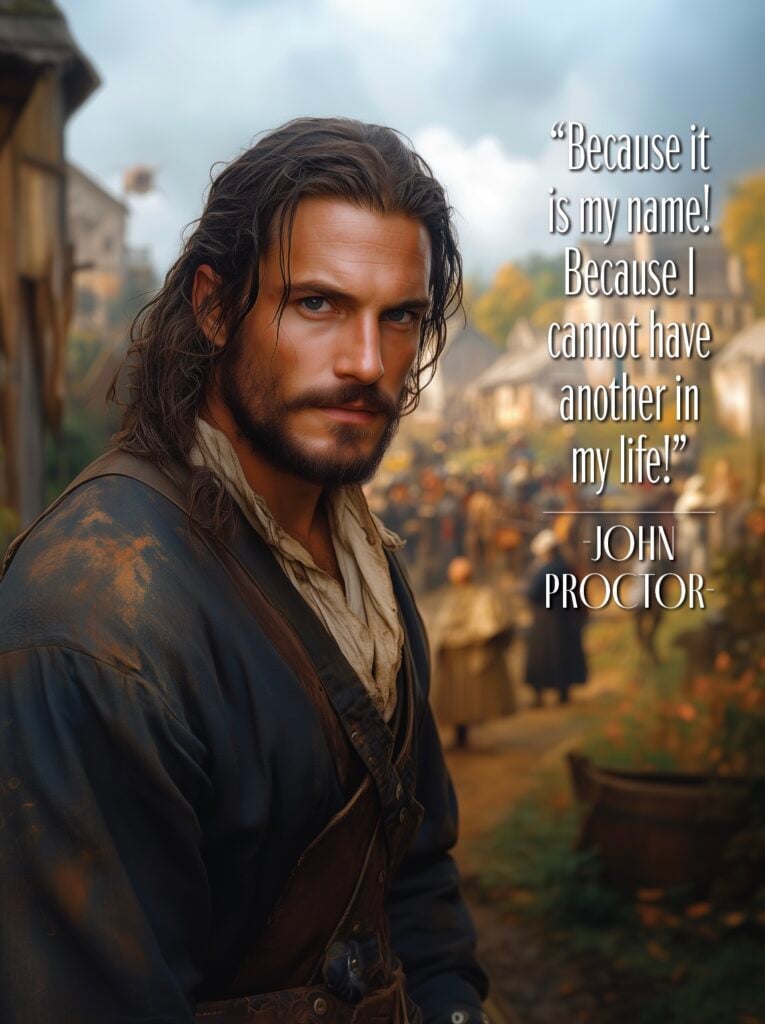
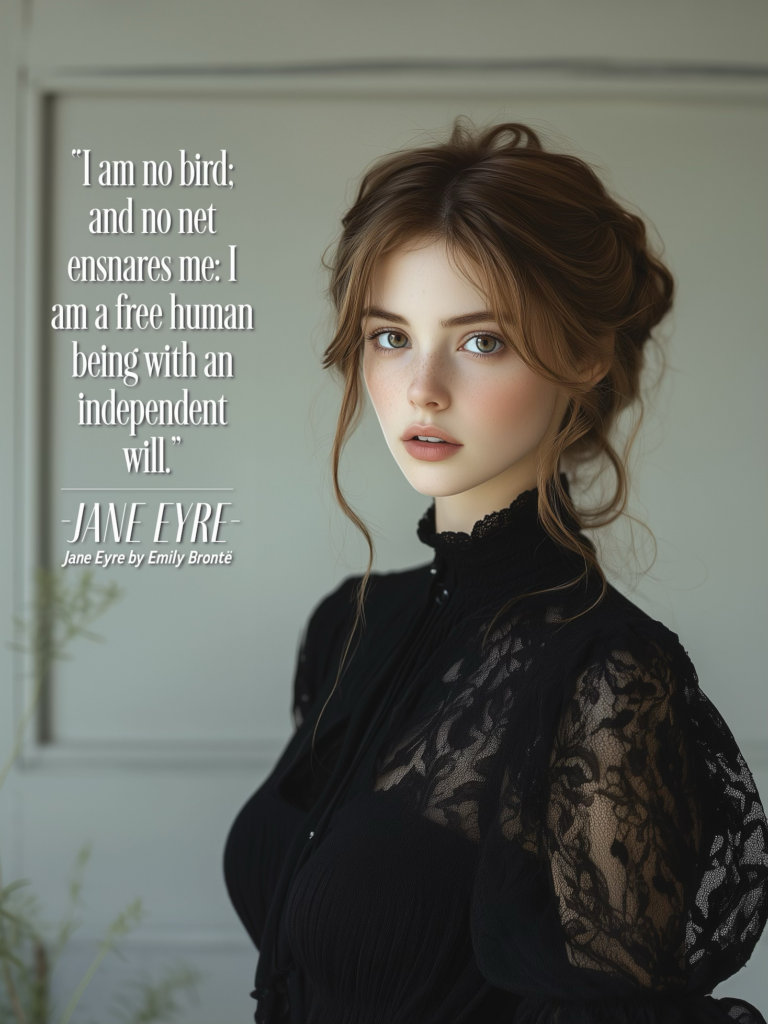
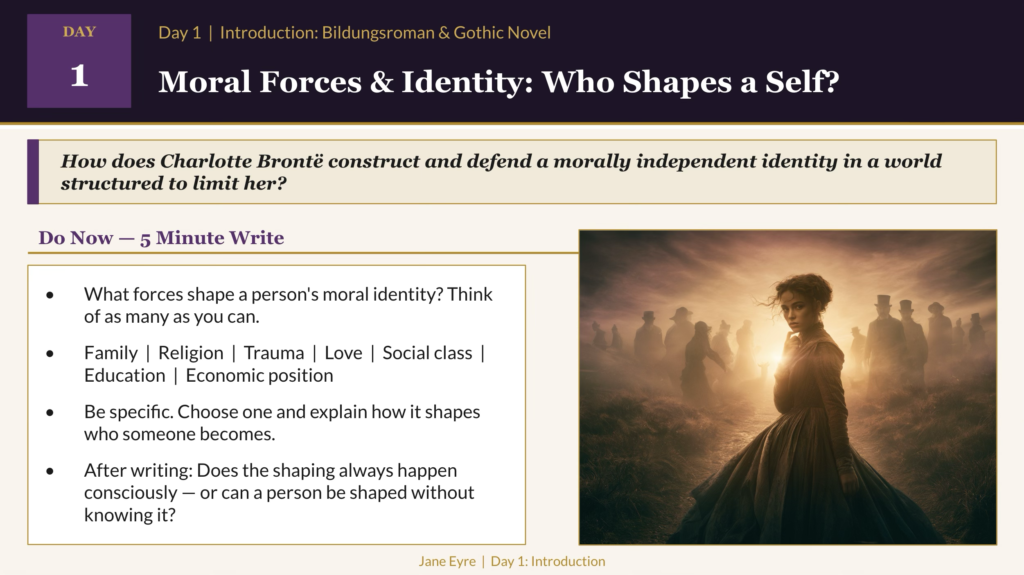
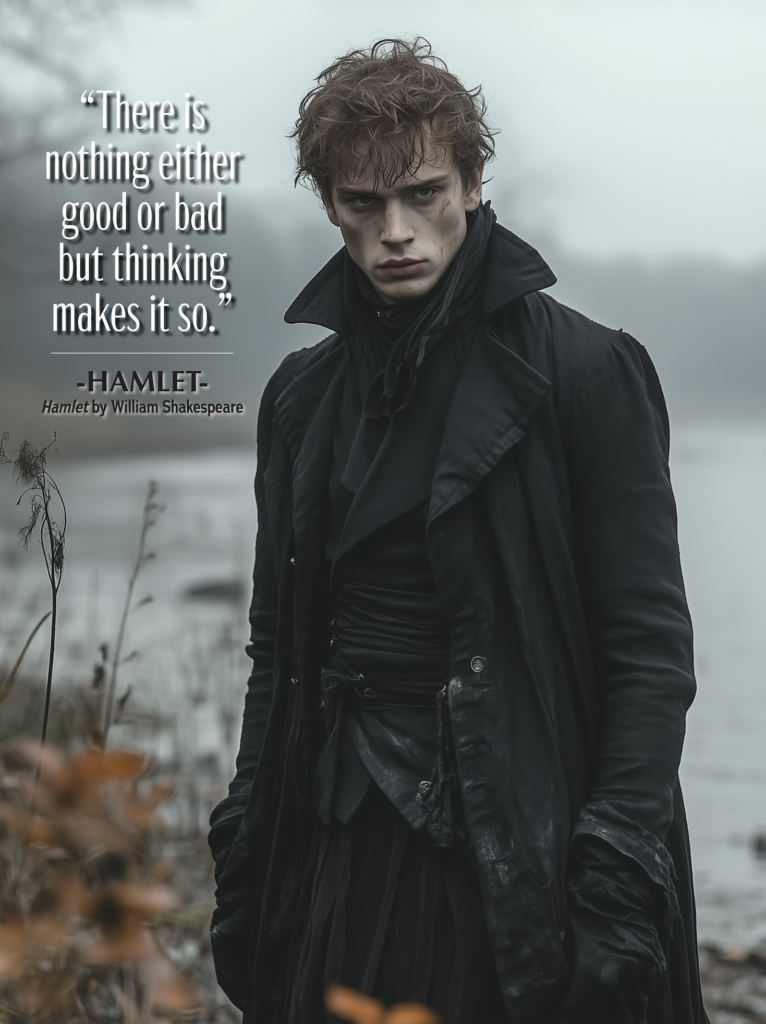
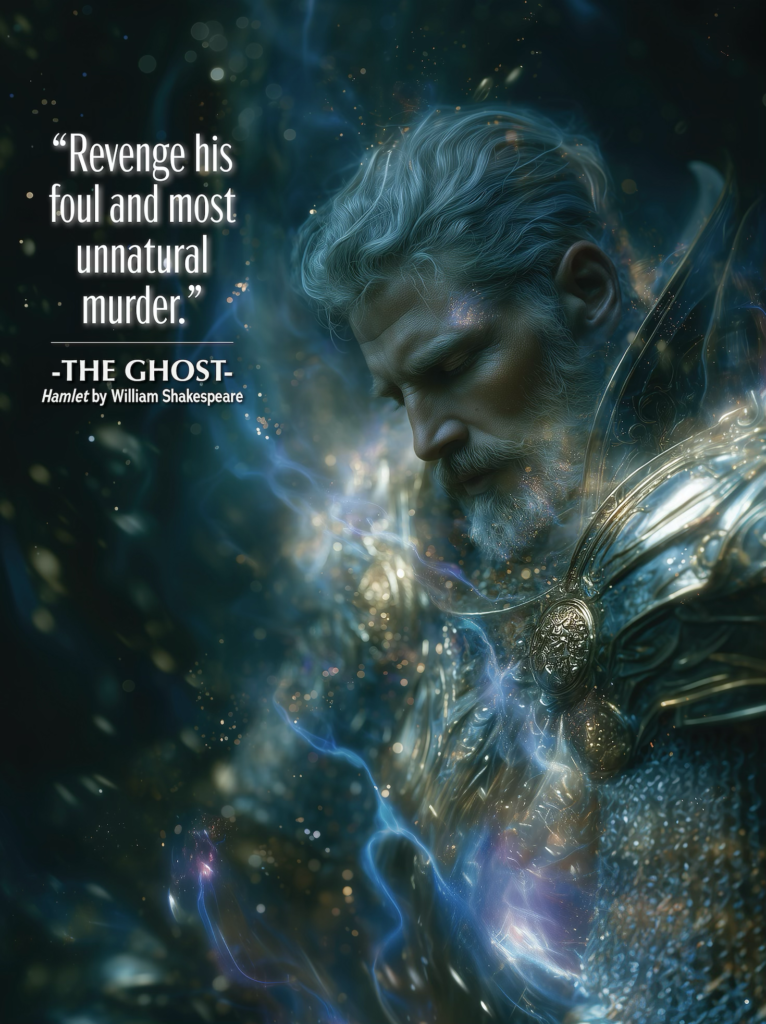
This unit includes a 10-day pacing guide, 10 student activity sheets, five character quote posters, a quote analysis gallery walk, a nature vs. nurture evidence sort, a structured debate organizer, three essay planning organizers, discussion cards, a 12th grade essay rubric, and a 20-point quiz with a complete teacher answer key. It is designed to move students from first impressions of the novel toward deep literary analysis of who — and what — is truly responsible for the tragedy.
Students will explore Gothic literature and Romantic-era context, track Victor Frankenstein’s ambition and moral failures, analyze the Creature’s development and isolation, debate the nature vs. nurture question, compare creator and creation as the novel’s central mirrors, and plan a persuasive literary analysis essay answering the question:
Who bears the greater moral responsibility for the tragedy — Victor Frankenstein or the Creature?
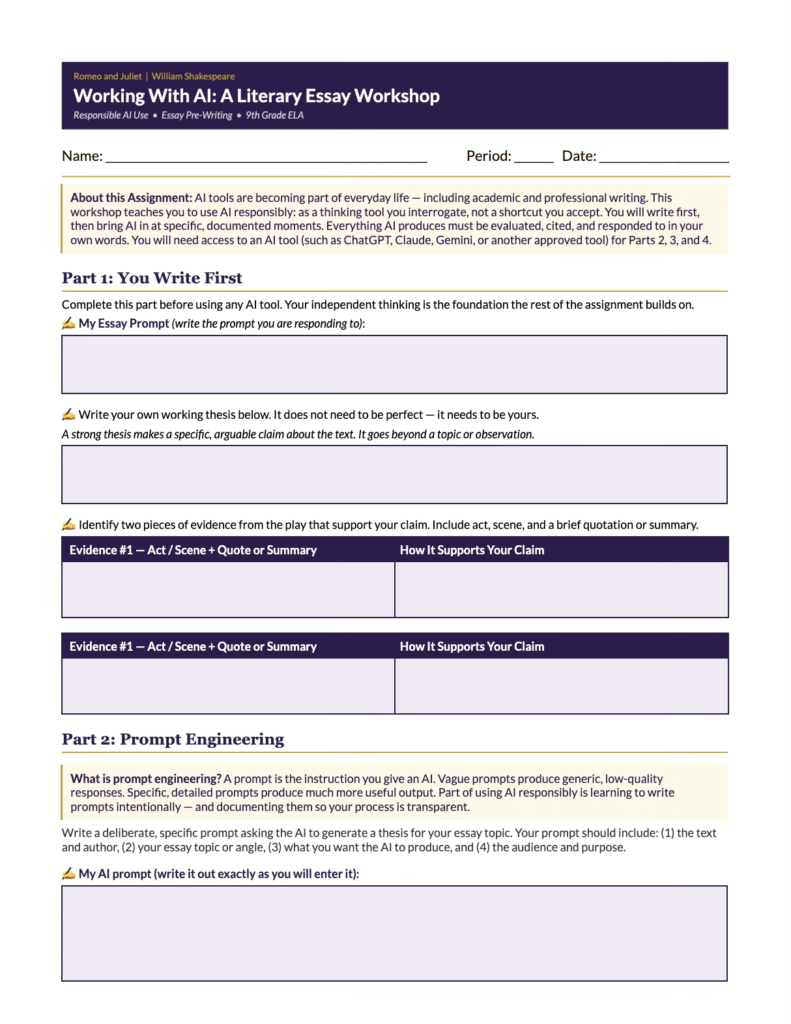
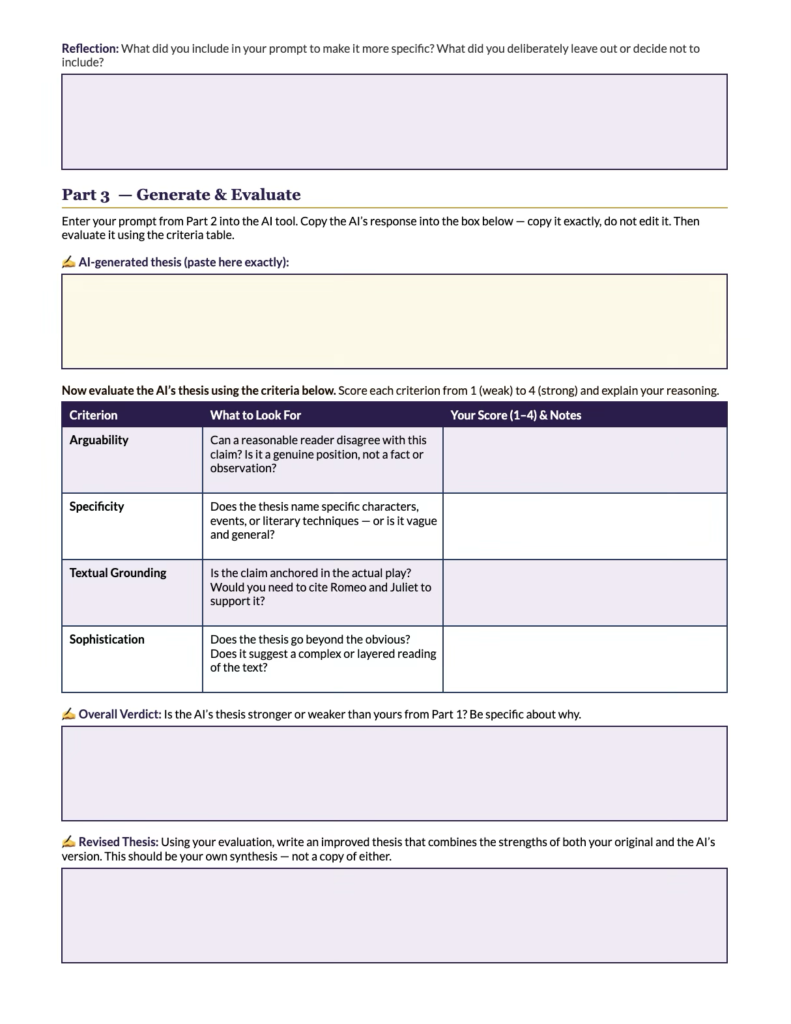
All student activity sheets are formatted as Google Docs with table cells for student responses, making this unit fully compatible with Google Classroom, Canvas, Schoology, and other digital platforms.
What’s Included
Skills Covered
Students will practice:
Great For
Why Teachers Love It
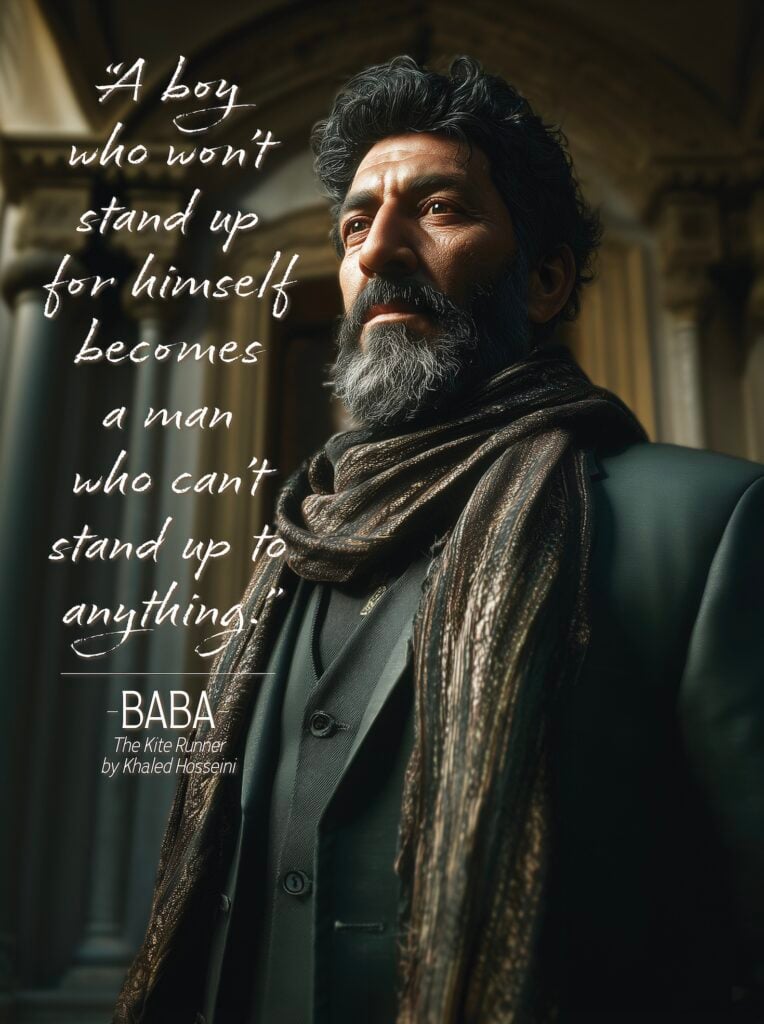
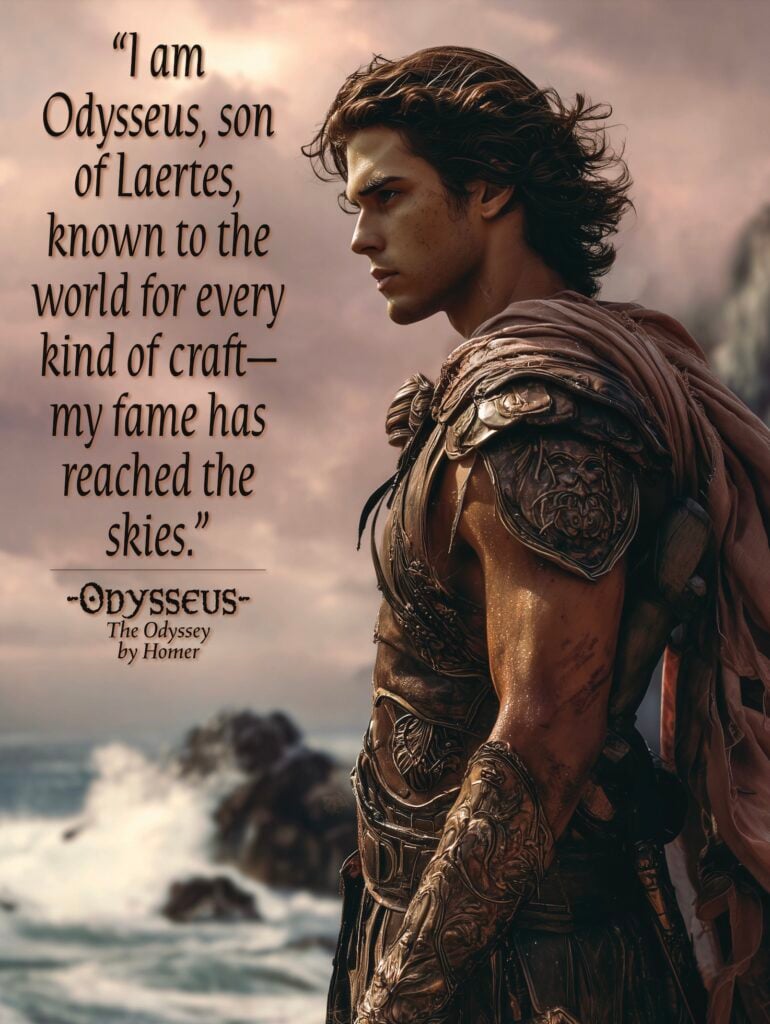
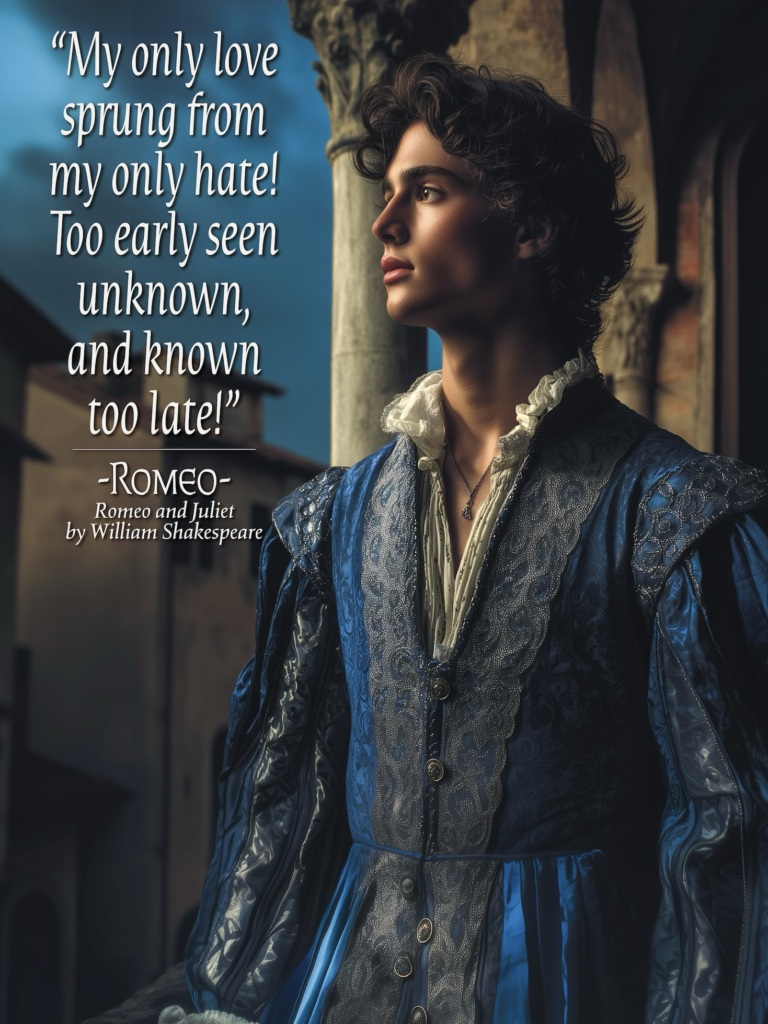
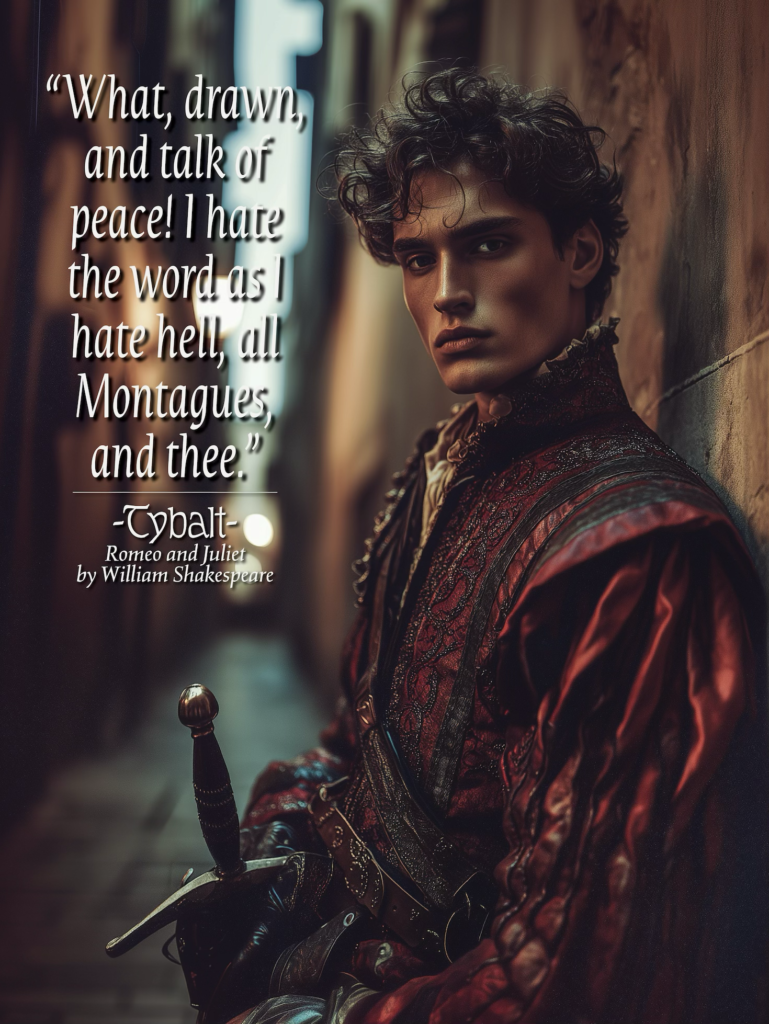
This unit is designed to be comprehensive, flexible, and classroom-ready. The 10-day pacing guide walks you through every class period with a daily focus, bell ringers, activities, and exit tickets — so planning is already done. The five character posters make the unit visually engaging and anchor the gallery walk and debate activities. The activity sheets are formatted as Google Docs, so students can complete everything digitally without any reformatting on your end.
Every activity builds toward the final essay and debate, so students aren’t just collecting information — they’re building an argument from Day 1. The discussion cards work as bell ringers, Socratic seminar prompts, small group activities, or essay prep discussions. The 12th grade essay rubric is specifically aligned to Virginia SOL standards and includes a craft commentary criterion that pushes students beyond plot summary into genuine literary analysis.
Use it as a full 10-day unit, a two-week British literature study, or pull individual activities for any Frankenstein lesson.
Suggested Use
Day 1: Gothic literature background and Science & Ethics Anticipation Guide
Day 2: Victor Frankenstein — ambition, character, and the creation
Day 3: Creator vs. Creation — analyzing the central conflict
Day 4: The Creature — isolation, identity, and sympathy
Day 5: Nature vs. Nurture evidence sort and debate
Day 6: Revenge, consequences, and the Victor/Creature mirror
Day 7: Quote analysis gallery walk and comparison chart
Day 8: The Responsibility Debate — structured seminar or formal debate
Day 9: Essay planning, thesis development, and rubric review
Day 10: 20-point quiz, final essay, and unit reflection
Please Note
This is a digital resource. No physical item will be shipped.
| Grade Level | 11, 12 |
|---|---|
| Subject | English Language Arts |
| Course | British Lit |
| Resource Type | Complete Unit |
| Duration | 10 Days |
| Format | PDF, Google Slides, Google Docs, PowerPoint |
/5
Total reviews
|
|
Persons recommended this product
Anonymous
Shopper
check_circle Verified
Shop owner replied
Was this helpful
Anonymous
Shopper
check_circle Verified
Shop owner replied
Was this helpful
There are no reviews yet.
Be the first to review “ ”
Your feedback helps us improve our service.
Only logged in customers who have purchased this product may leave a review
,
Page & Plot ELA is a store for teachers who want thoughtful, polished, classroom-ready resources without spending hours building everything from scratch. You’ll find complete literature units, character posters, discussion activities, essay planning tools, classroom decor, and creative ELA projects designed to make teaching literature feel more manageable, more meaningful, and a little beautiful, too.

Come for the Resources.
Stay for the Community.
2025 Copyright Tech and Mortar, LLC