$34.95
Teach William Shakespeare’s Romeo and Juliet with a complete, ready-to-use 15-day 9th Grade ELA unit that moves students from character introduction and Elizabethan context toward structured persuasive argument — analyzing individual responsibility, fate and free will, love and impulsivity, parental authority, and the social forces that make tragedy possible in Verona. The unit runs two parallel essay tracks — Academic and Honors — so that differentiation is built into the materials, not added on afterward.
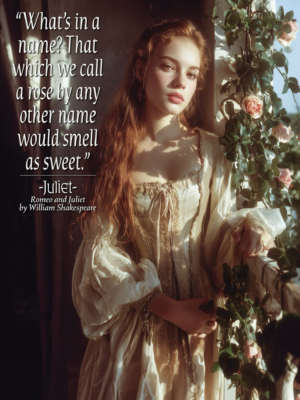
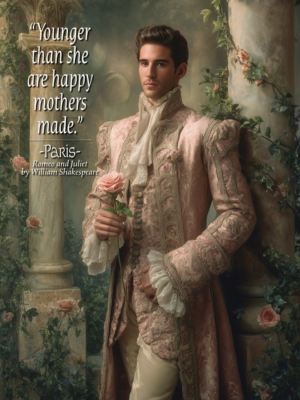
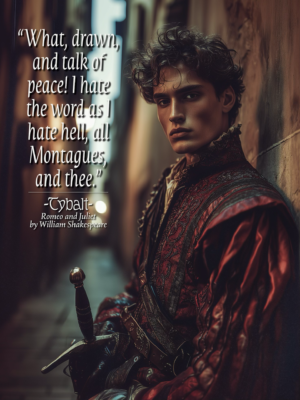
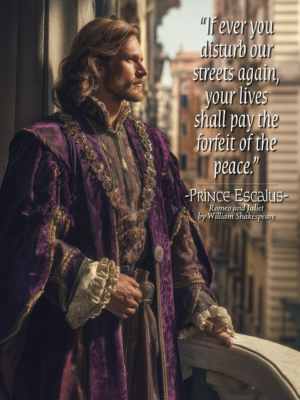
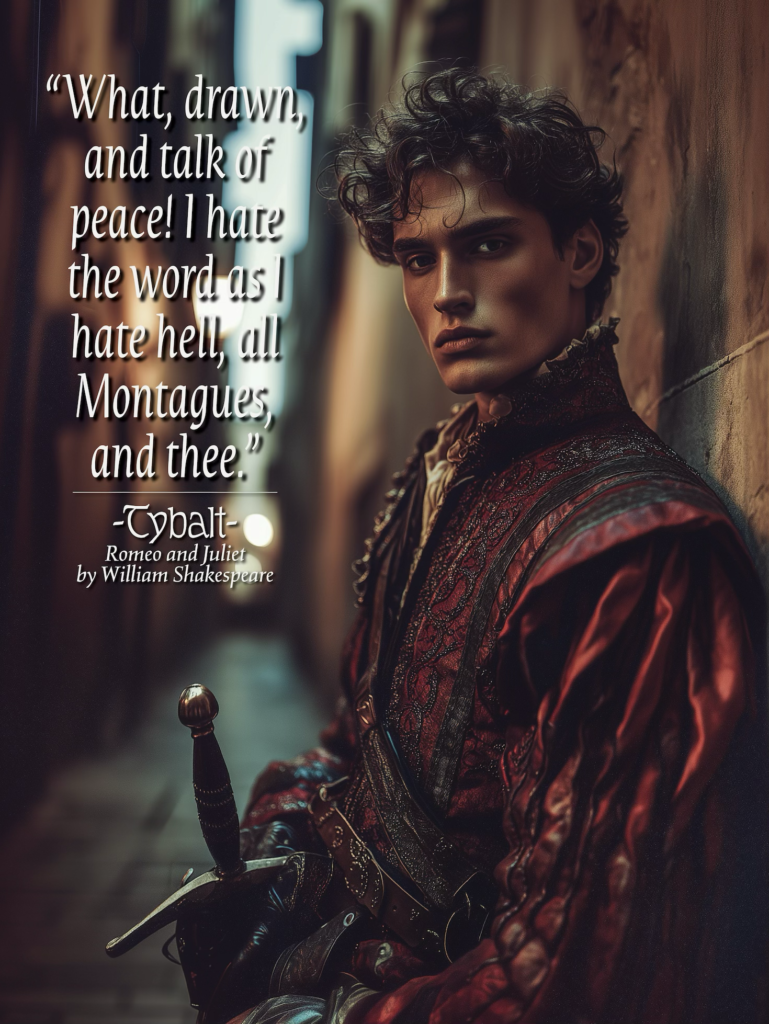
This unit includes a 15-day pacing guide, a 32-slide instructional slideshow, 11 character posters, 8 student activity sheets, Academic and Honors persuasive essay organizers with graphic outlines, a 50-point essay rubric, a higher-order unit quiz with a complete teacher answer key, 20 discussion cards across five thematic strands, and a complete unit resource guide with Virginia SOL standards alignment.
The unit is built around five essential questions that drive every activity, discussion, and writing task from Day 1 through the final assessment: What forces — personal, social, and structural — could drive two young people to their deaths? Is the tragedy caused by fate, or by the choices of the people around them? What does Shakespeare argue about love, conflict, and responsibility? Who is most responsible for the tragic ending — and why does the answer matter? And what does this play reveal about human nature that still applies today?
Students will analyze character choices and their consequences across all five acts, track the development of four major themes through early, middle, and late play evidence, apply figurative language analysis to specific moments in Shakespeare’s verse, close-read Act 3, Scene 1 as the play’s structural turning point, build and defend a written argument using textual evidence and MLA citation, address and rebut a counterargument in a full persuasive essay, and participate in collaborative discussion using structured discussion cards across five thematic strands.
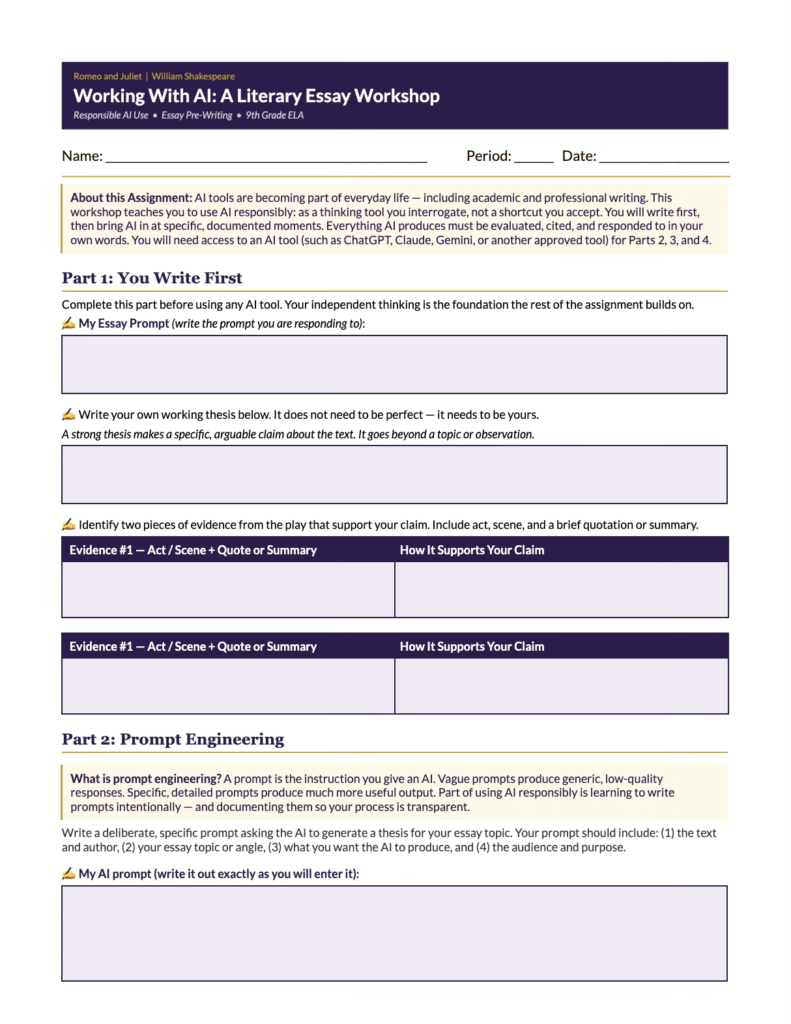
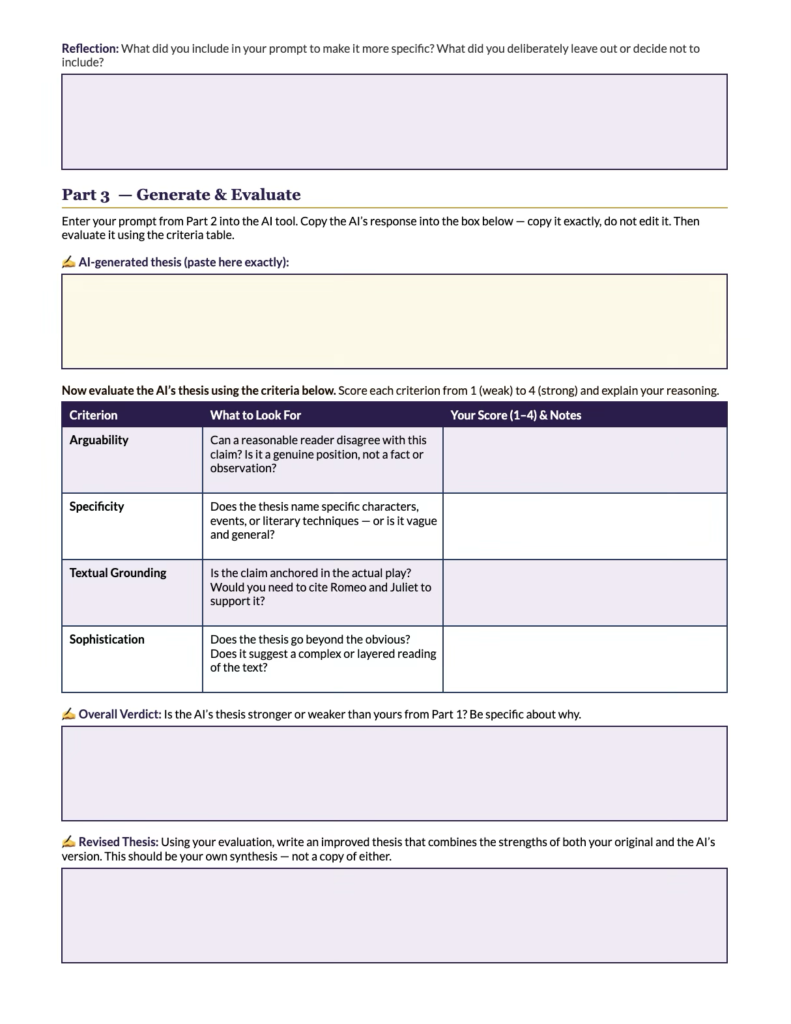
All student activity sheets are formatted with table cells and structured response boxes for student writing, making this unit fully compatible with Google Classroom, Canvas, Schoology, and other digital platforms.
What’s Included
Skills Covered
Students will practice:
Great For
Why Teachers Love It
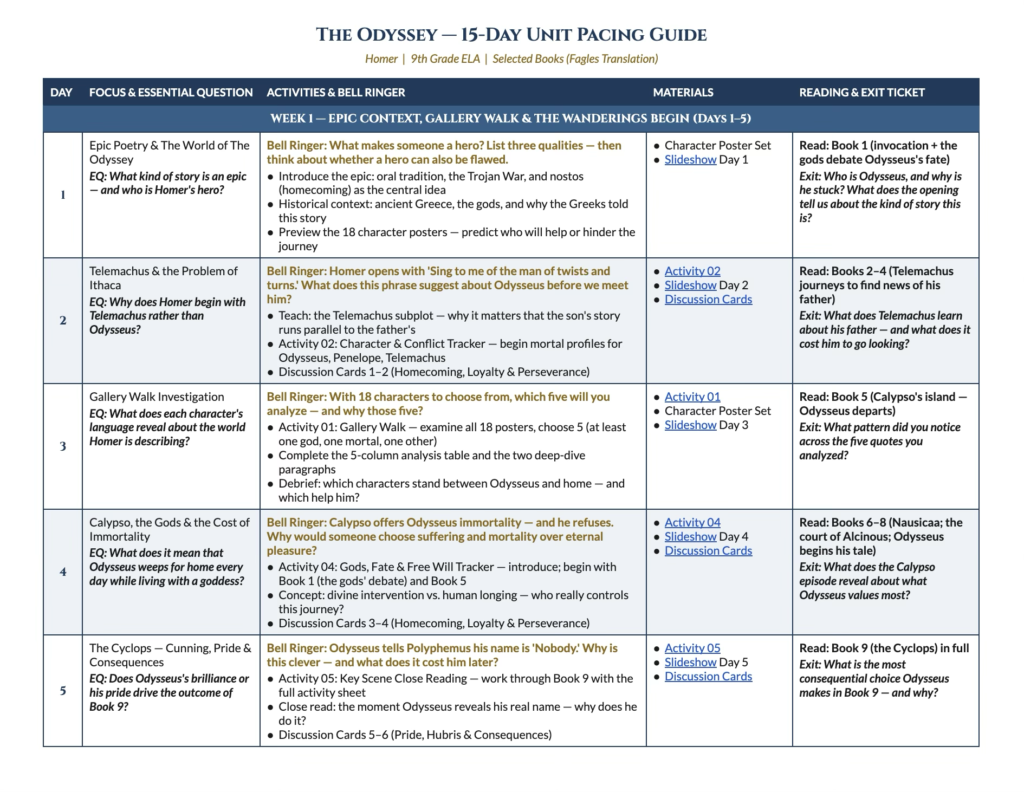
This unit is designed to be comprehensive, rigorous, and classroom-ready at the 9th grade level. The 15-day pacing guide walks you through every class period with a daily focus, essential questions, bell ringers, step-by-step activities, reading assignments, and exit tickets — so the planning is already done.
What makes this unit stand out is how seriously it takes the play’s central difficulty. Most Romeo and Juliet units focus on the love story. This unit asks something harder: what forces — individual, familial, and structural — make this tragedy possible? And who, among all the characters who contributed, is most responsible for the ending? That question drives every activity, every discussion card, and every writing task — and it produces the kind of specific, arguable writing that distinguishes a real persuasive essay from a plot summary.
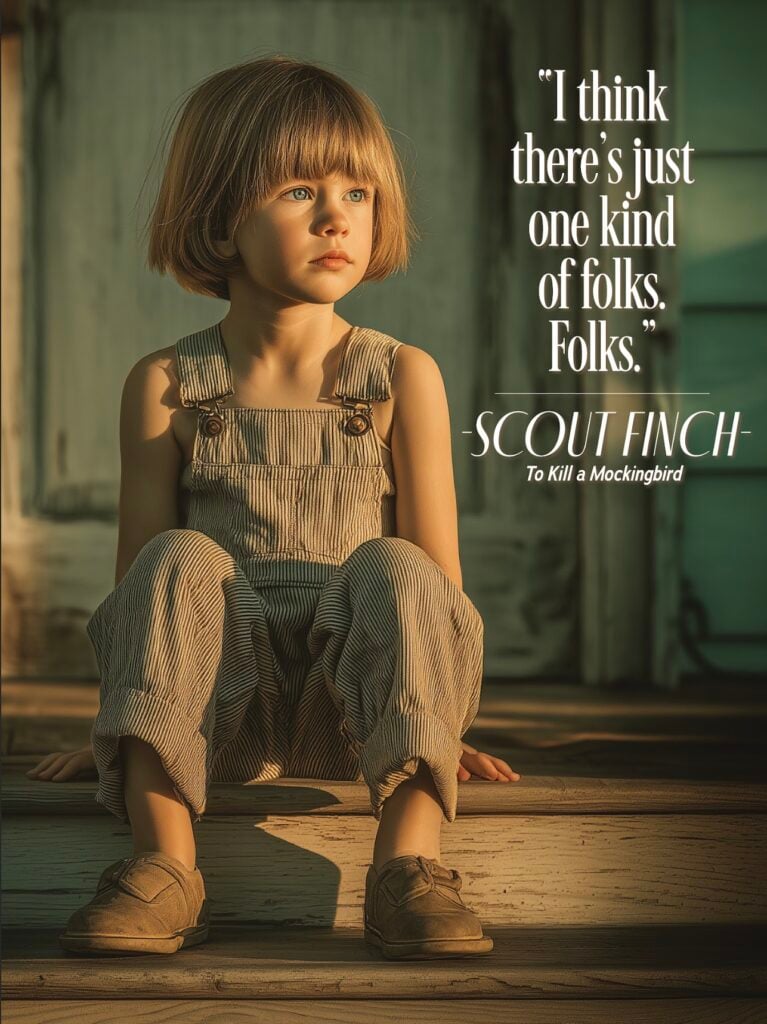
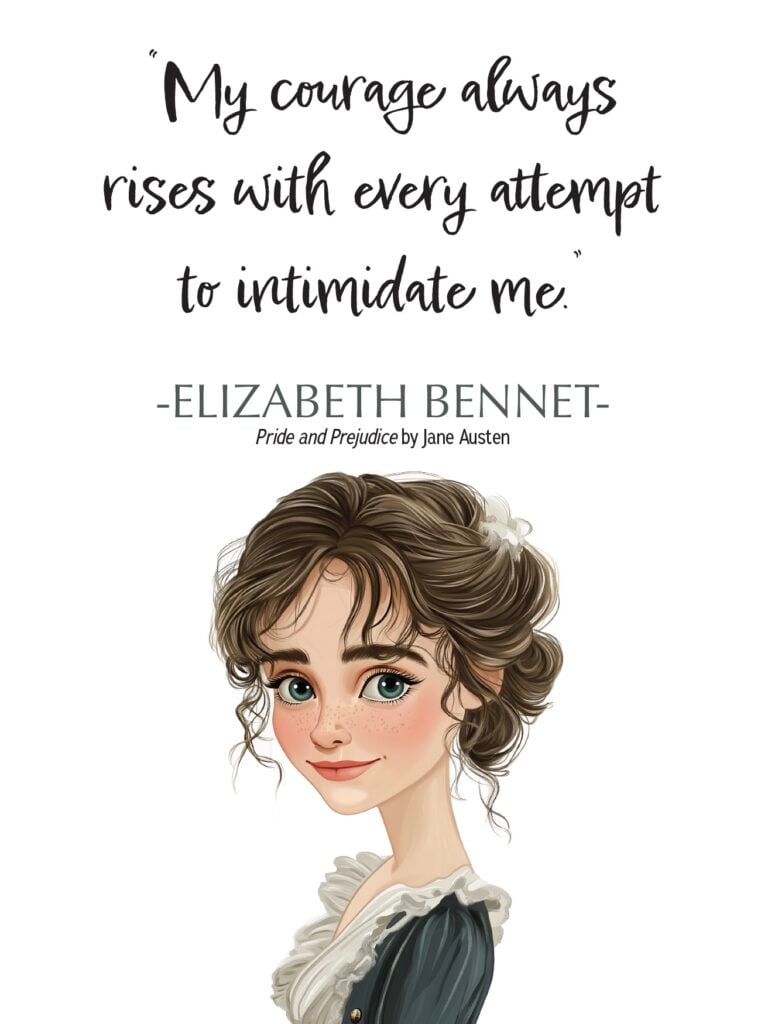
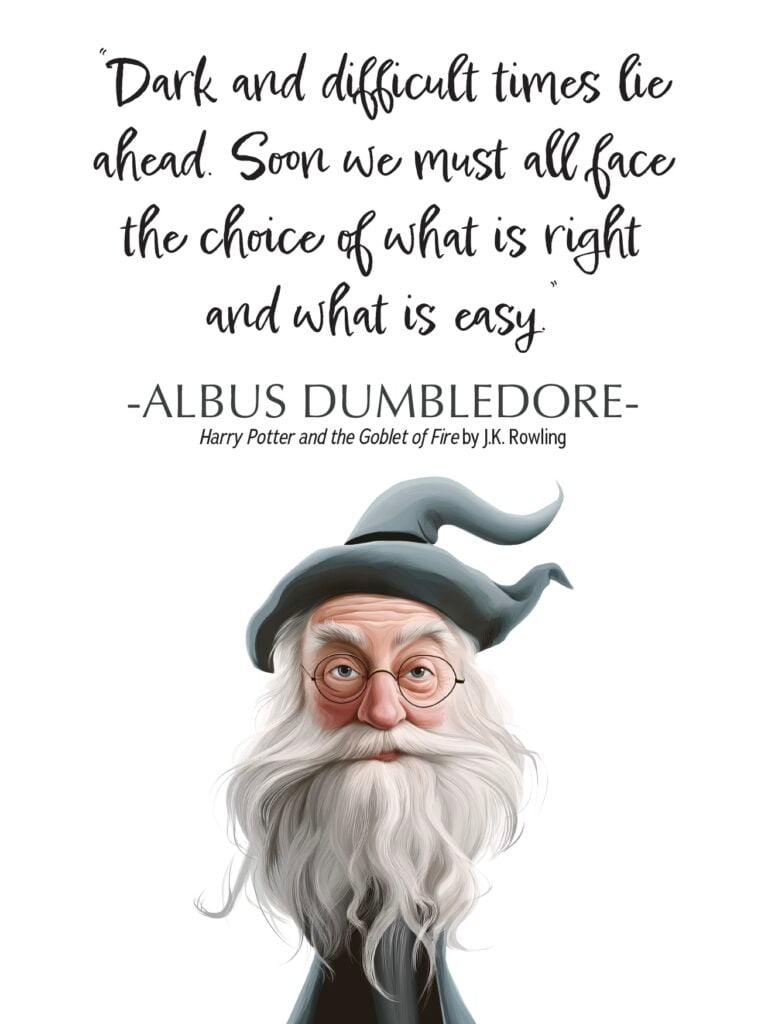
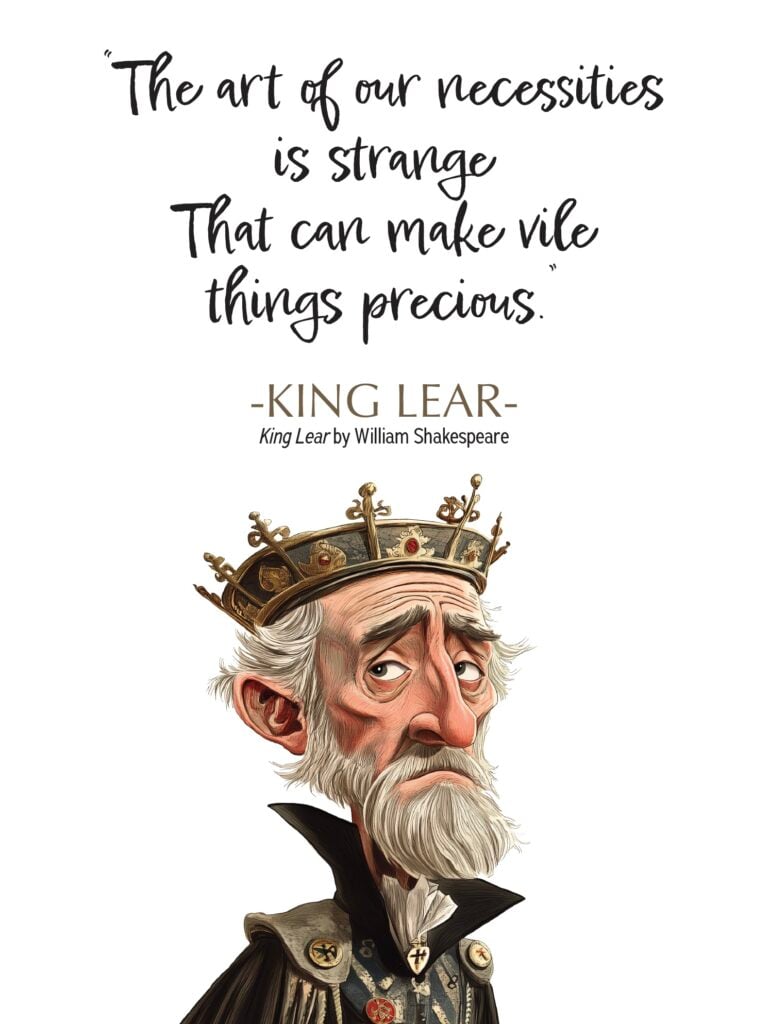
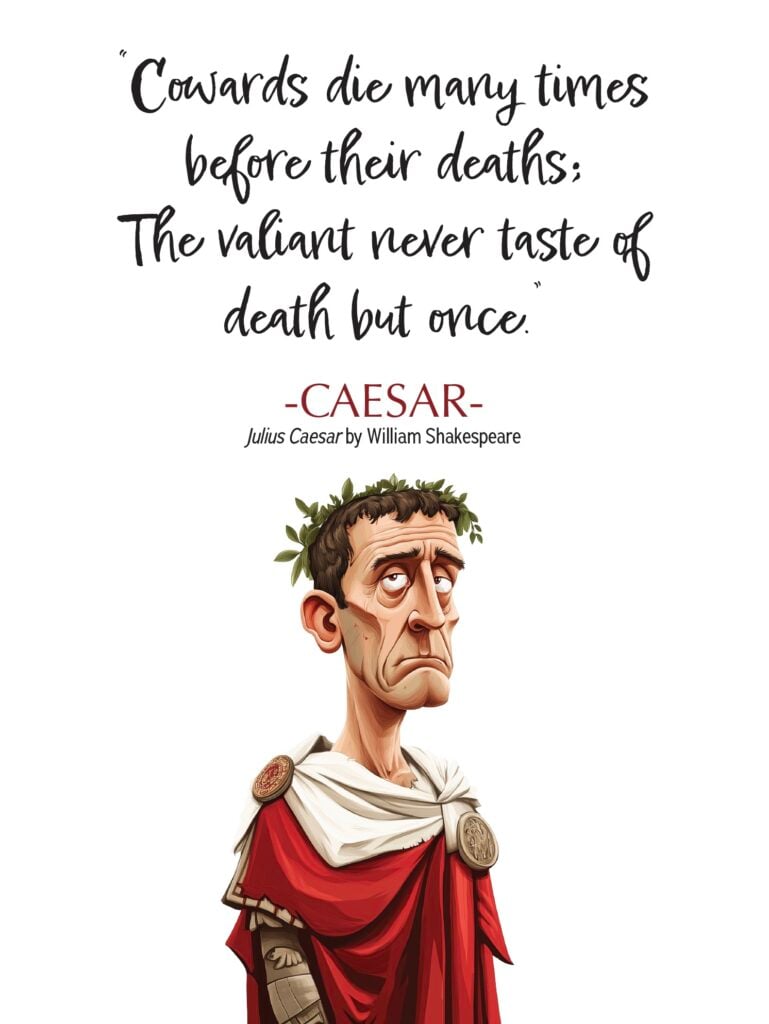
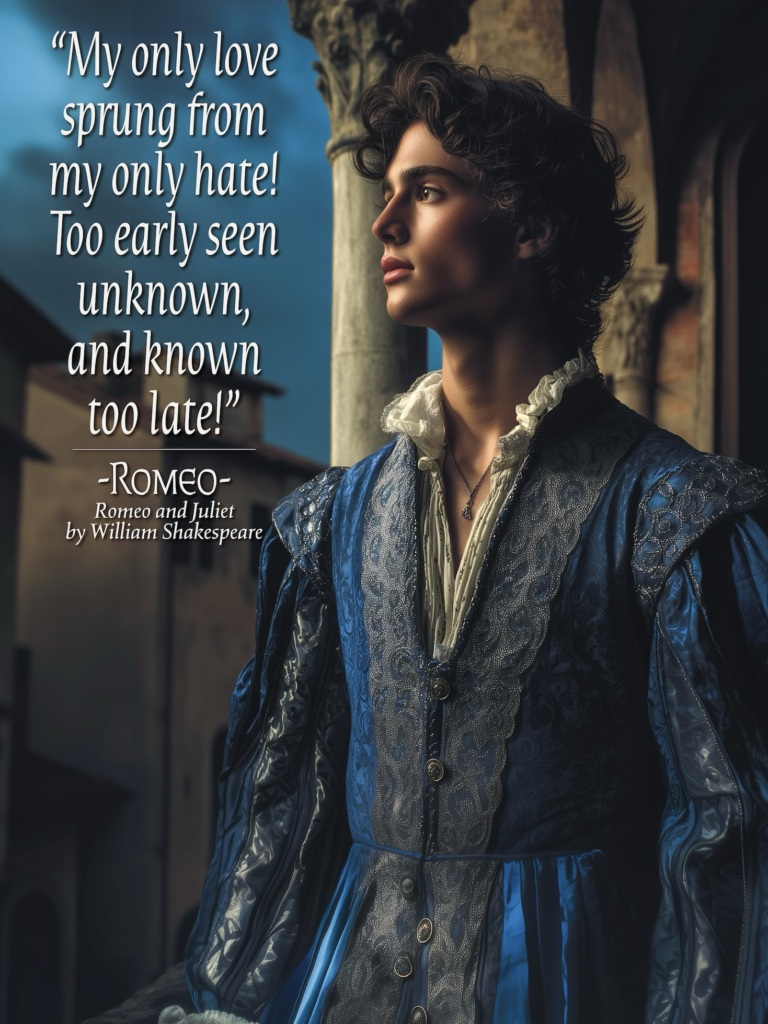
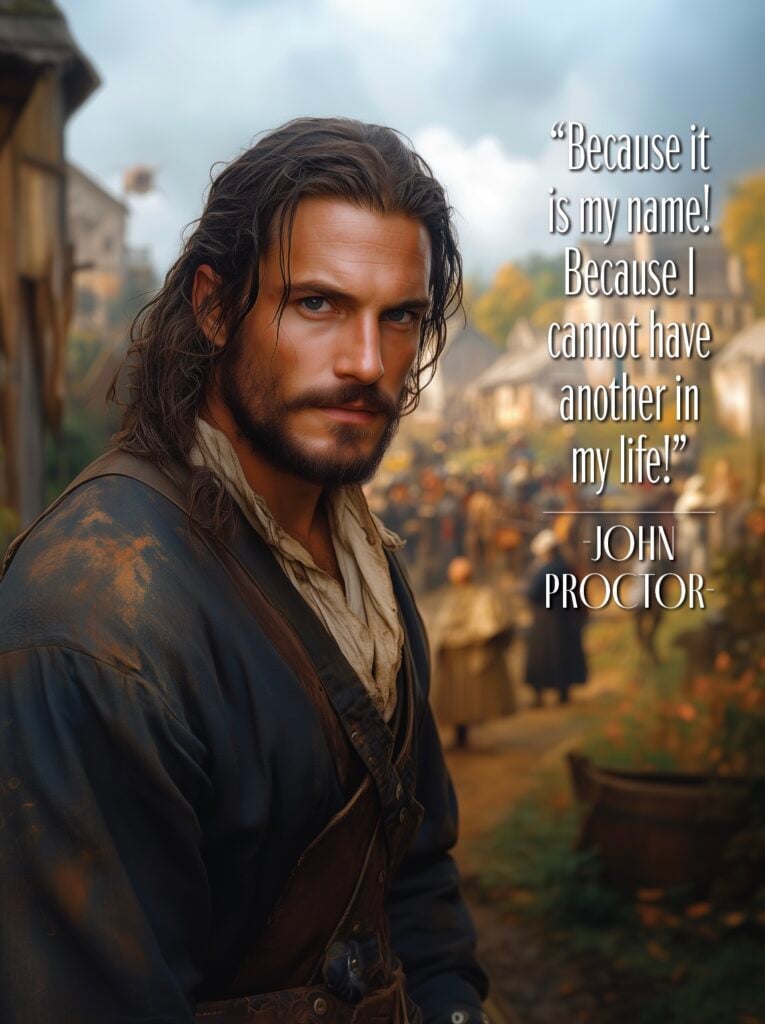
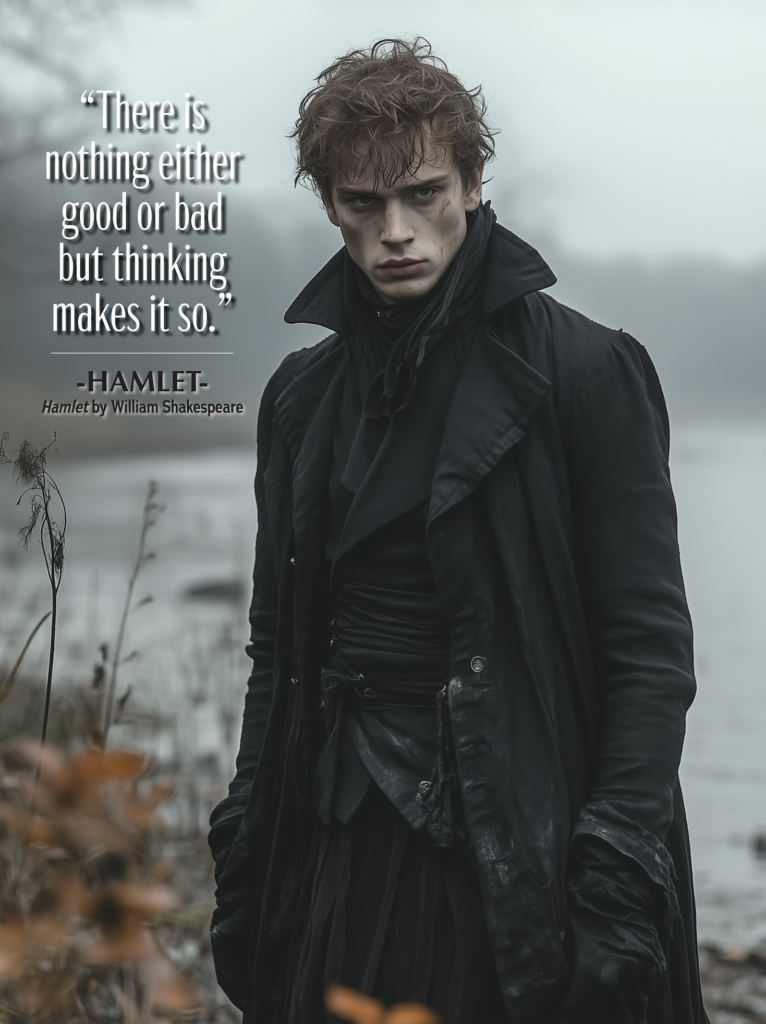
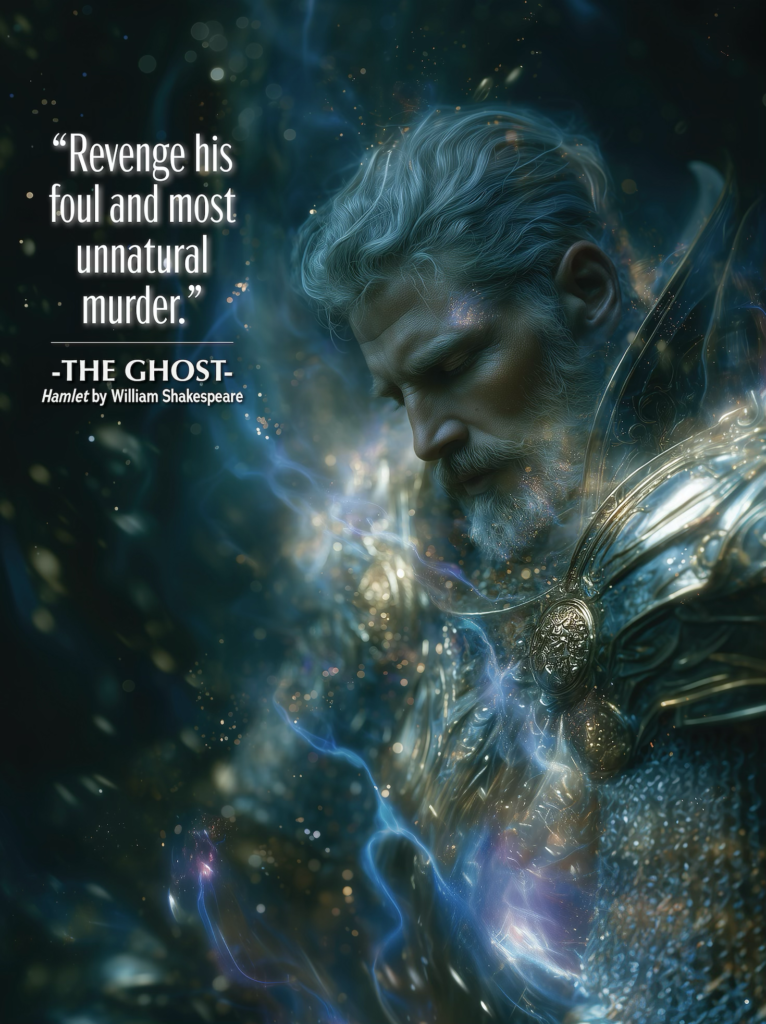
Activity 01 (Gallery Walk) is where the unit earns its structure. Before students have read a word of the play, they analyze 11 character quotations and sort each one into six contributing factors. They then complete a factor tally looking across all 11 posters: which factor appeared most often? Which character was hardest to categorize? That synthesis box is the first time students make an argument, and the six-factor framework it introduces is the same one that organizes the unit’s discussion cards and writing tasks from that point forward.
Activity 05 (Key Scene Close Reading) goes further than a typical scene worksheet. The before-and-after overview table has embedded sub-prompts inside each cell — “before” asks about relationships, power, and what the play still feels possible; “after” asks what options are now closed. The five-column choice analysis table asks what each character could have done differently. The most-consequential-choice synthesis box asks students to identify the single moment in 3.1 where a different choice could have changed the ending — and to explain why. Students who can answer that question precisely are ready to write a genuine argument essay.
Activity 07 (Who Is Responsible?) is where this unit is most deliberately designed. The responsibility ranking table forces commitment — students cannot write “many characters contributed” when they have ranked seven characters from 1 to 7. The evidence blocks each include a counterfactual sub-question: what would have happened if this character had made a different choice here? That question is what separates description from argument. A student who can answer it specifically has a claim worth defending.
The two-track essay structure is the unit’s most practical design decision. The Academic prompts — Who Is Most Responsible?, Fate vs. Free Will, and Parental Authority — ask students to argue about character choices and their consequences, which is exactly what Activities 01 through 07 have built toward. The Honors prompts — The Role of Society, Friar Laurence as a Moral Figure, and Is the Ending a True Tragedy? — push students to argue about systems, interpretation, and complexity. Both tracks use the same activity sheets, the same rubric, and the same discussion cards. The differentiation is in the prompts and in the analysis sub-questions inside the evidence blocks, which are calibrated differently for each track.
The essay organizers are built with more scaffolding in the places students most need it — not at the top, where they’re still oriented, but in the analysis and explanation sections where students typically stall. Every blank analysis box has specific sub-questions. The counterargument table has sentence starters in both columns. The revised thesis section has a note explaining what a strong final thesis must do that the working claim does not. And the outline sections for the hook, body paragraph explanation, and broader significance all include guiding prompts that show students what those moves look like, not just label them.
The unit quiz rewards the thinking the unit builds. The matching section asks students to identify each character’s structural function in the play’s argument — not just recall name and role. The multiple choice questions ask students to analyze Capulet’s shift in behavior, evaluate the effect of a specific moment of dramatic irony, and identify which of four thesis statements would actually earn essay credit. The short answer scoring guide distinguishes between a response that describes what happened and one that argues why it matters.
Suggested Use
Please Note
This is a digital resource. No physical item will be shipped.
This resource does not include the full text of Romeo and Juliet. It is designed to accompany your classroom reading of Shakespeare’s play. All activities reference act, scene, and line numbers consistently and are compatible with any edition of the play — No Fear Shakespeare alongside the original, Folger, Penguin, or any standard classroom edition.
| Grade Level | 9, 10, 11, 12 |
|---|---|
| Subject | English Language Arts |
| Course | British Literature |
| Resource Type | Complete Unit |
| Duration | 15 Days |
| Format | PDF, Google Slides, Google Docs, PowerPoint |
| Skills | Literary Analysis, Close Reading, Writing |
/5
Total reviews
|
|
Persons recommended this product
Anonymous
Shopper
check_circle Verified
Shop owner replied
Was this helpful
Anonymous
Shopper
check_circle Verified
Shop owner replied
Was this helpful
There are no reviews yet.
Be the first to review “ ”
Your feedback helps us improve our service.
Only logged in customers who have purchased this product may leave a review

,
Page & Plot ELA is a store for teachers who want thoughtful, polished, classroom-ready resources without spending hours building everything from scratch. You’ll find complete literature units, character posters, discussion activities, essay planning tools, classroom decor, and creative ELA projects designed to make teaching literature feel more manageable, more meaningful, and a little beautiful, too.

Come for the Resources.
Stay for the Community.
2025 Copyright Tech and Mortar, LLC