



▾ +7
Store Category · Classroom
Twelve Angry Men 1-Week Complete Unit | Character Analysis, Reasonable Doubt, Bias
by
 Page & Plot
$27.95
Description
Teach Twelve Angry Men with a complete, ready-to-use drama unit that helps students analyze character, bias, prejudice, reasonable doubt, justice, and group decision-making.
This unit includes a 1-week pacing guide, student activities, juror tracking chart, character quote posters, gallery walk analysis, poster sort activity, deliberation discussion cards, and a final argumentative essay planning activity. It is designed to help students move from first impressions to deeper analysis of how each juror influences the verdict.
Students will define key courtroom vocabulary, explore the meaning of reasonable doubt, track each juror’s traits and assumptions, analyze bias and prejudice, discuss major conflicts, and plan an argumentative essay answering the question:
Which juror was most responsible for the final verdict?
This resource works well with the play, selected scenes, or a film study of Twelve Angry Men.
What’s Included
- Teacher Start Here Guide
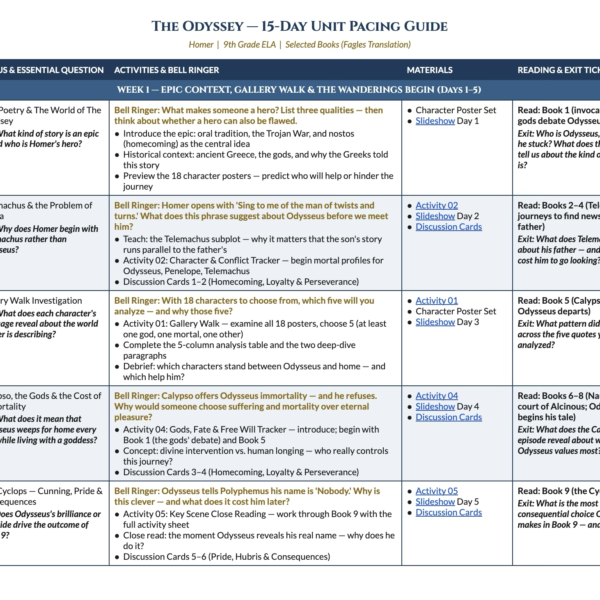
- 1-Week Pacing Guide
- Editable Instructional Slideshow
- Google Access Links
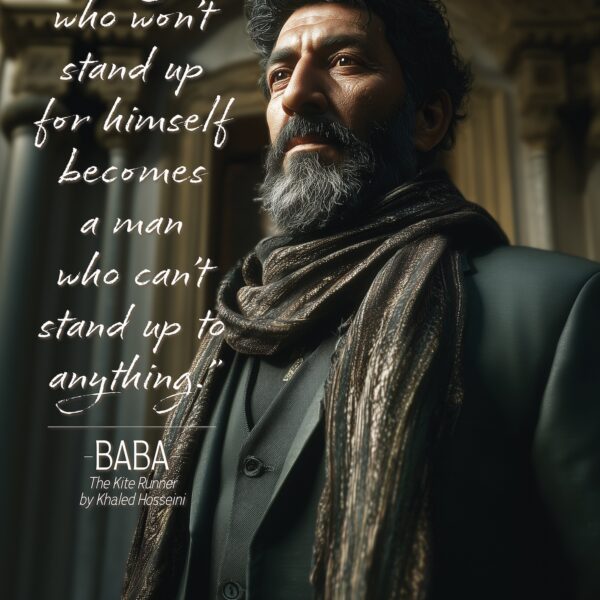
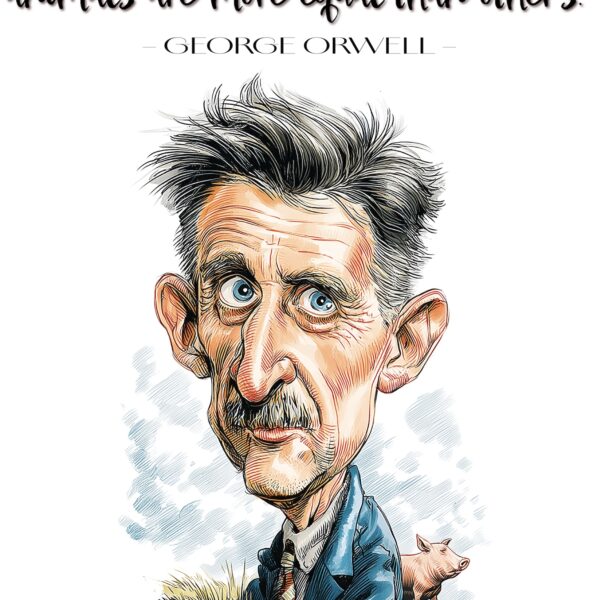
- 12 Character Quote Posters
- Activity 1: Courtroom Vocabulary
- Activity 2: Reasonable Doubt QuickWrite
- Activity 3: Juror Tracking Chart
- Activity 4: Bias and Prejudice Reflection
- Activity 5: Character Quote Gallery Walk
- Activity 6: Characterization Poster Sort
- Activity 7: Deliberation Discussion Notes
- Deliberation Discussion Cards
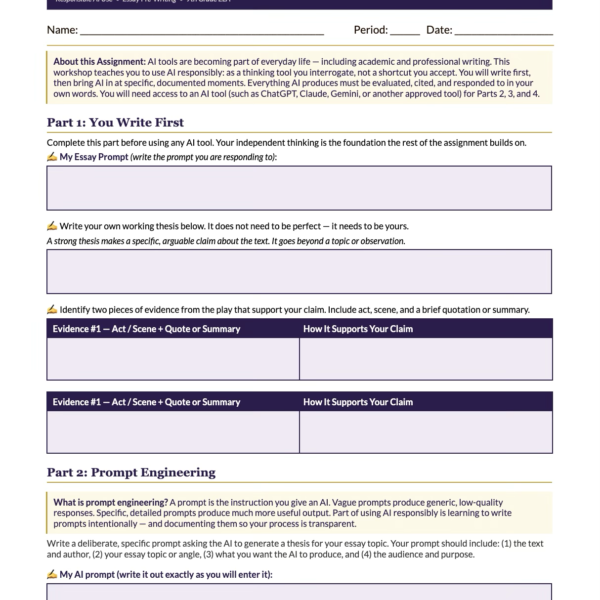
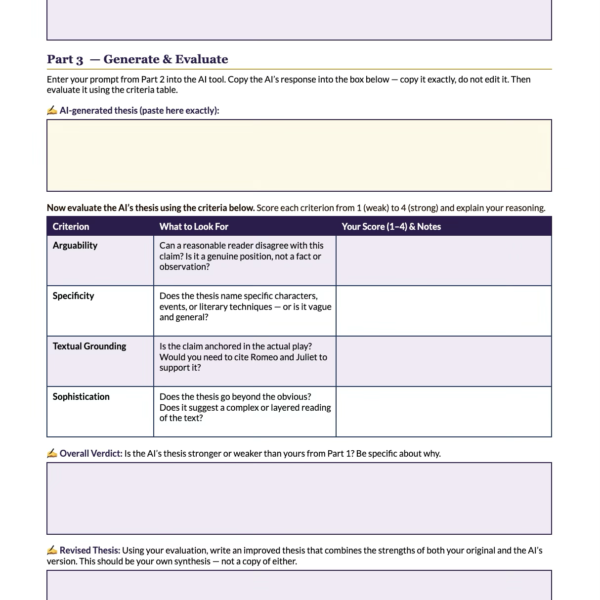
- Activity 8: Final Argumentative Essay Planning
- Activity 9: Twelve Angry Men Quiz / Google Form Assessment
Skills Covered
Students will practice:
- character analysis
- quote analysis
- tone analysis
- theme analysis
- courtroom vocabulary
- reasonable doubt
- bias and prejudice analysis
- evidence-based discussion
- collaborative learning
- argumentative writing
- claim and counterclaim development
- literary analysis
Great For
- Twelve Angry Men drama unit
- courtroom drama study
- film study
- character analysis lessons
- gallery walk activities
- argumentative writing practice
- end-of-unit discussion
- high school ELA
- middle school ELA enrichment
- sub plans or review days
Why Teachers Love It
This unit is designed to be clear, flexible, and classroom-ready. The pacing guide helps you teach the unit across five class periods, while the activities can also be used individually. The character posters make the unit visually engaging, the discussion and essay activities help students move beyond plot summary into meaningful analysis, and the included quiz provides a quick comprehension and analysis check.
Use it as a full mini-unit, a film study companion, or a culminating character analysis project.
Suggested Use
Day 1: Justice, jury duty, courtroom vocabulary, and reasonable doubt
Day 2: First impressions and juror tracking
Day 3: Bias, prejudice, and decision-making
Day 4: Character quote gallery walk and poster sort
Day 5: Deliberation discussion, final argumentative essay planning, and optional quiz
Please Note
This is a digital resource. No physical item will be shipped.
This resource does not include the full text or film of Twelve Angry Men. It is designed to accompany your classroom reading, selected scenes, or viewing of the play/film.
Format
Google Apps
✓ literacy
✓ ELA
✓ literary analysis
✓ High school ela
✓ writing-essays
Questions
Questions about this resource
Wondering if this is the right fit before you buy? See what other shoppers asked, or ask Rebecca your own. You don’t need to have bought anything.
Sign in to ask a question
Sign in so Rebecca’s answer can reach you. You don’t need to have bought anything from Page & Plot.
What Teachers Are Saying
No reviews yet — be the first to leave one.
Stay in the Loop
Join the Page & Plot Email List
Page & Plot
My Experience
I’m Rebecca Persad, a high school English teacher and resource creator with a background in English, business, marketing, and graphic design. I create classroom-ready ELA resources that combine strong literary analysis, clear organization, and polished visuals. My materials are designed to help teachers save time while giving students meaningful ways to analyze character, theme, symbolism, conflict, and writing.
Teaching Style
My teaching style is structured, visual, and discussion-based. I like lessons that help students move beyond plot summary and into deeper thinking through quote analysis, character tracking, gallery walks, creative projects, discussion, and evidence-based writing. I believe literature lessons should be clear, engaging, and a little beautiful, too.
Awards & shining teacher moments
One of my favorite teaching moments is watching students connect with literature in a way that surprises them. I especially love when a quiet student finds their voice during a discussion, gallery walk, creative project, or writing conference. Those moments remind me that students often need the right entry point into a text, and that’s what I try to build into my resources.
My own education history
I have a bachelor’s degree in Business Management and Marketing/English, a master’s degree in Education, and a background in graphic design. I’ve also spent 12 years as a yearbook adviser, which has shaped the way I create resources that are both visually polished and practical for the classroom.
Join the Page & Plot Email List
More from this Store
Shop Now →


Live Well · Teach Well
Shop TeacherStore Goods