$34.95
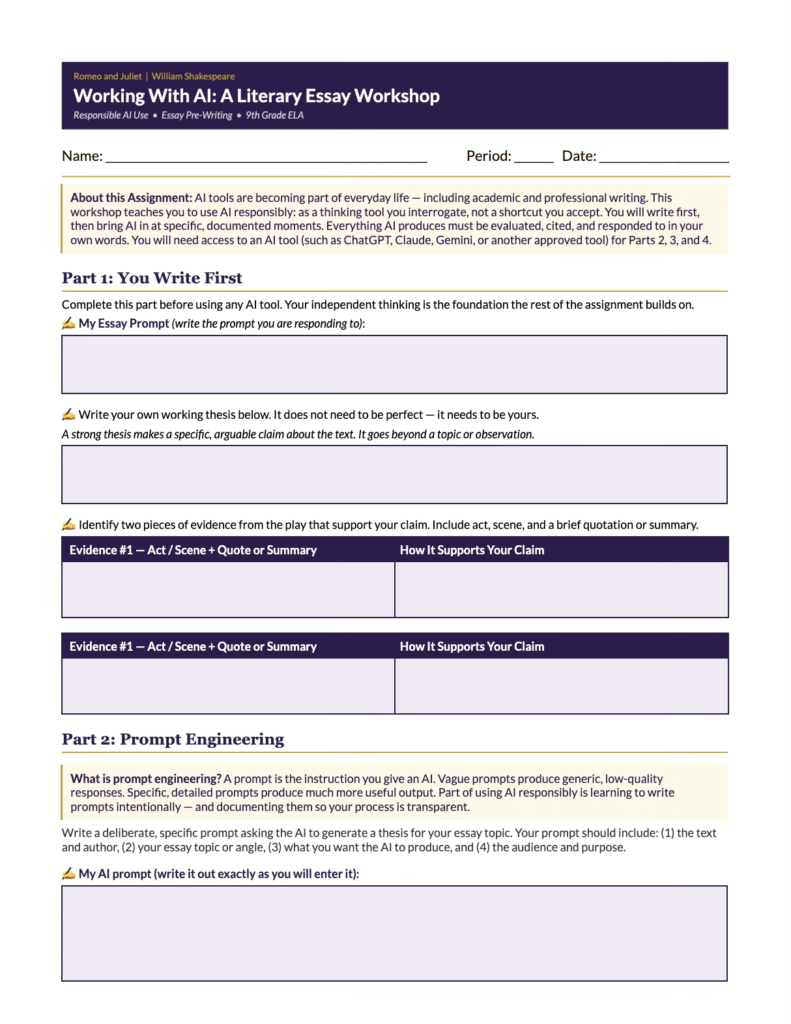
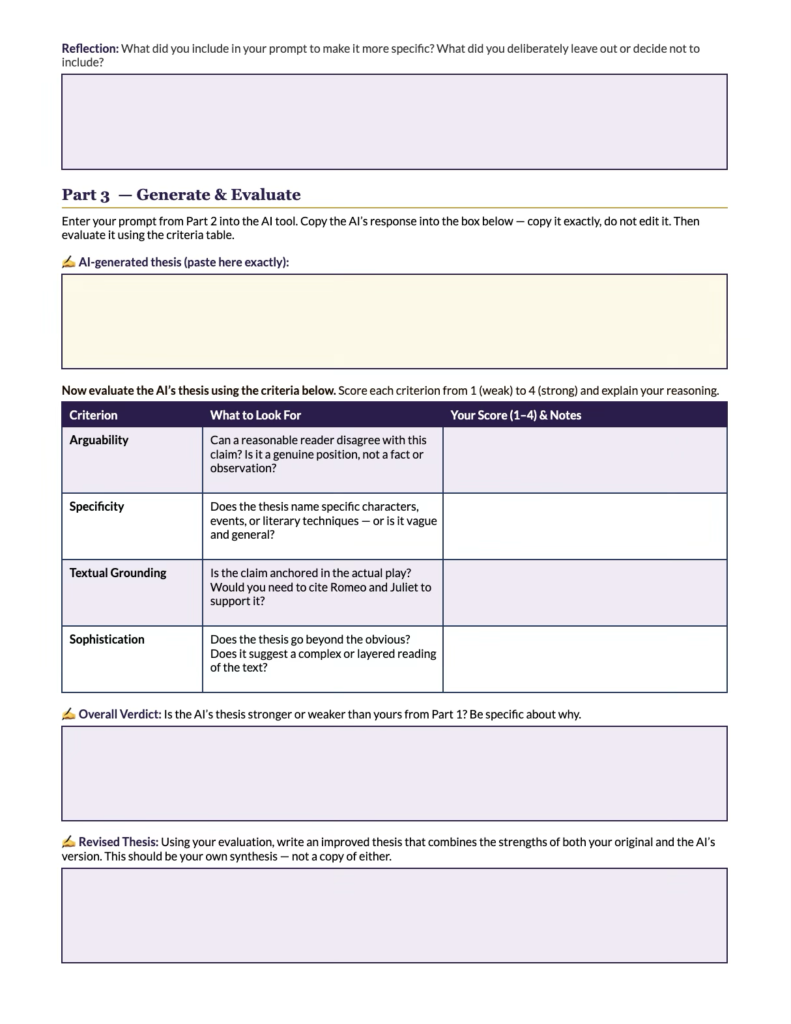
⚠️ Content Advisory: The Kite Runner contains depictions of sexual violence, ethnic persecution, and war. This unit addresses mature themes appropriate for AP-level study. A content advisory and discussion norm guidance are included in the pacing guide.
Equip your AP Literature students to read The Kite Runner not just as a story about guilt and redemption — but as a novel that makes an argument about what guilt costs, who bears the weight of silence, and whether redemption is ever genuinely earned.
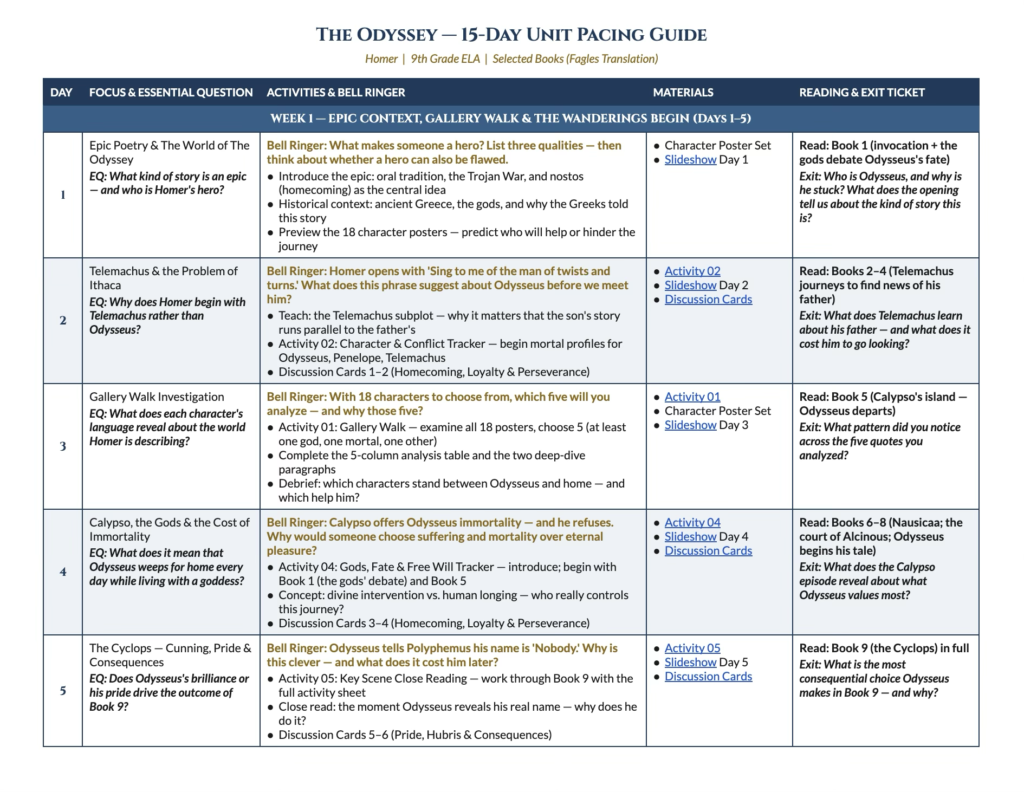
This complete 20-day AP Literature unit moves students from first encounter with the novel through Harkness seminar, AP timed writing, and final essay submission — with every class period planned, every activity scaffolded for AP rigor, and every assessment aligned to AP Lit scoring criteria.
The unit is built around five essential questions that drive every activity, discussion, and writing task: Can a person truly redeem themselves — or only learn to live with what they’ve done? How do ethnic hierarchy and power shape what individuals can choose, believe, and become? What does it mean to be loyal — and who gets to decide what loyalty requires? How does silence function as both protection and moral failure? And what does exile cost — and what can never be carried across borders?
Students will analyze retrospective narration as a vehicle for filtered guilt and self-justification, apply postcolonial, feminist, and trauma theory frameworks to specific moments in the novel, engage seriously with the critical argument that the novel uses Hazara suffering as the backdrop for a Pashtun narrator’s moral development rather than as its central subject, examine Assef as an ideological antagonist whose childhood cruelty and Taliban command are the same worldview at different scales, develop AP-style thesis statements using three distinct thesis models, construct a line of reasoning for a full literary argument essay, and prepare for and participate in a Harkness-format Socratic seminar on whether Amir’s redemption is genuine or performed.
All student activity sheets are formatted with table cells for student responses, making this unit fully compatible with Google Classroom, Canvas, Schoology, and other digital platforms.
What’s Included
Skills Covered
Students will practice close reading of prose — diction, syntax, tone, and narrative perspective; AP Literary Argument essay construction (Q3 — line of reasoning, sophistication point); AP-style thesis development across three thesis types; evidence selection and genuine analytical commentary; character analysis as a vehicle for thematic argument; applying postcolonial, feminist, and trauma theory critical frameworks; intertextual and cultural criticism — engaging with secondary perspectives on a contested novel; Harkness-format Socratic seminar preparation and participation; timed writing and AP self-assessment; longitudinal theme and motif tracking across a full novel; and comparative character analysis as structural argument.
Great For
Why Teachers Love It
This unit is designed to be comprehensive, rigorous, and classroom-ready at the AP level. The 20-day pacing guide walks you through every class period with a daily focus question, bell ringers, step-by-step activities, reading assignments, and exit tickets — so planning is already done.
What makes this unit stand out is the depth of its critical engagement. Most Kite Runner units treat the novel as a redemption story. This unit treats it as the contested, complex text it actually is — one that rewards and resists multiple readings simultaneously, and one where the most important questions are not just about Amir’s guilt but about whose suffering the narrative centers and why.
Activity 08 (Hazara Identity & Ethnic Persecution) is the unit’s centerpiece. It walks students through three critical frameworks — historical, postcolonial, and humanist — then asks students to engage seriously with the argument that the novel uses Hazara suffering as the backdrop for a Pashtun narrator’s development rather than as its central subject. It is consistently the activity that produces the strongest and most sophisticated student writing in the unit.
Activity 06 (The Alley Close Reading) is the unit’s moral turning point — the equivalent of a failed wedding scene or a climactic trial. Students analyze not what Amir does but what the specific language of his choice reveals: the parallel syntax that constructs the decision as binary, and the blunt monosyllabic sentence “In the end, I ran.” that breaks it. Students who complete this activity write about the novel’s language rather than its plot, which is exactly what AP Lit rewards.
The AP essay rubric is built on the actual AP Literature scoring criteria — Row A Thesis, Row B Evidence & Commentary, Row C Sophistication — translated into a classroom-usable 50-point format with descriptor examples. The quiz rewards higher-order thinking: the matching section asks students to identify analytical concepts and critical frameworks, the select-all questions require genuine engagement with the novel’s argument, and the written response requires a defensible claim with textual evidence and a complexity move.
The Harkness seminar preparation (Activity 13) requires students to arrive with a specific opening claim, an evidence dossier of three quotations spanning the novel, a prepared counterargument response, and a build-on point for a peer’s likely position. The post-seminar reflection is built into the same document. Strong seminar participation does not happen without preparation — this activity structures exactly what that preparation requires.
Suggested Use
Please Note
This is a digital resource. No physical item will be shipped. This resource does not include the full text of The Kite Runner, which must be obtained separately. All activities reference chapters and are compatible with any standard edition. The Riverhead Books trade paperback is the most commonly used classroom edition.
| Grade Level | 11, 12, High School |
|---|---|
| Subject | English Language Arts |
| Course | AP Literature |
| Duration | 20 Days |
| Resource Type | Complete Unit, AP Unit |
| Format | PDF, Google Slides, Google Docs, PowerPoint |
| Skills | Literary Analysis, Close Reading, Writing, AP |
/5
Total reviews
|
|
Persons recommended this product
Anonymous
Shopper
check_circle Verified
Shop owner replied
Was this helpful
Anonymous
Shopper
check_circle Verified
Shop owner replied
Was this helpful
There are no reviews yet.
Be the first to review “ ”
Your feedback helps us improve our service.
Only logged in customers who have purchased this product may leave a review

,
Page & Plot ELA is a store for teachers who want thoughtful, polished, classroom-ready resources without spending hours building everything from scratch. You’ll find complete literature units, character posters, discussion activities, essay planning tools, classroom decor, and creative ELA projects designed to make teaching literature feel more manageable, more meaningful, and a little beautiful, too.

Come for the Resources.
Stay for the Community.
2025 Copyright Tech and Mortar, LLC