$34.95
Teach Homer’s The Odyssey with a complete, ready-to-use 15-day 9th Grade ELA unit that moves students from epic context and character introduction toward structured persuasive argument — analyzing heroism and its limits, fate and free will, loyalty and what it costs, and the forces that make Odysseus’s journey both triumphant and tragic. Built as a single track for standard, honors, or mixed-ability classes, with scaffolding placed where students actually need it.
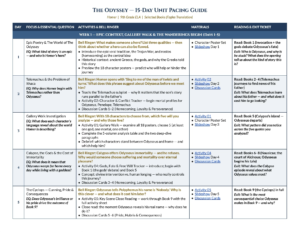
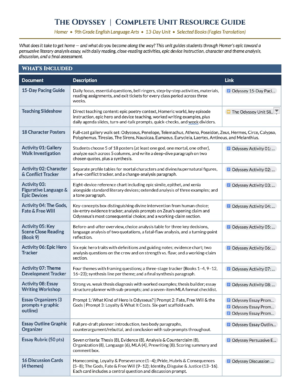
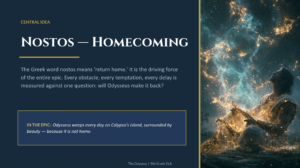
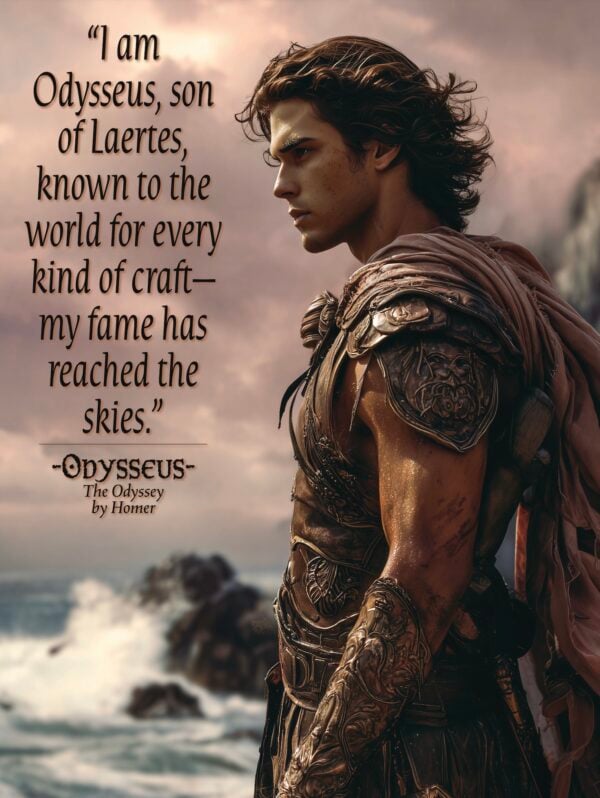
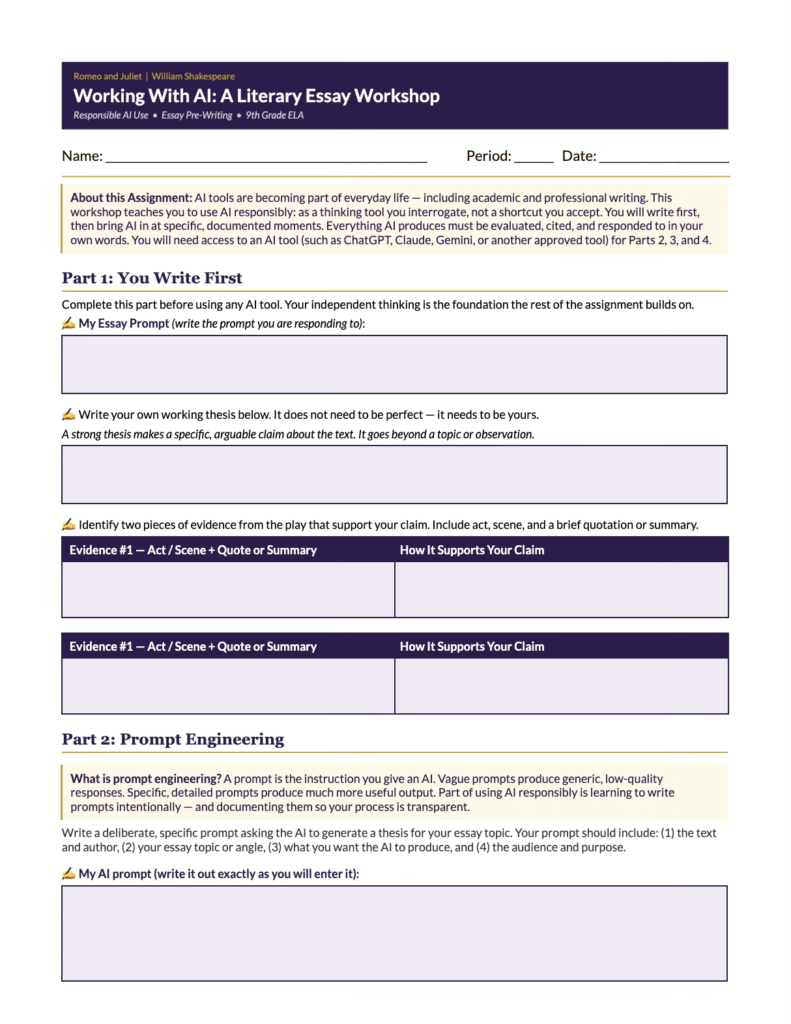
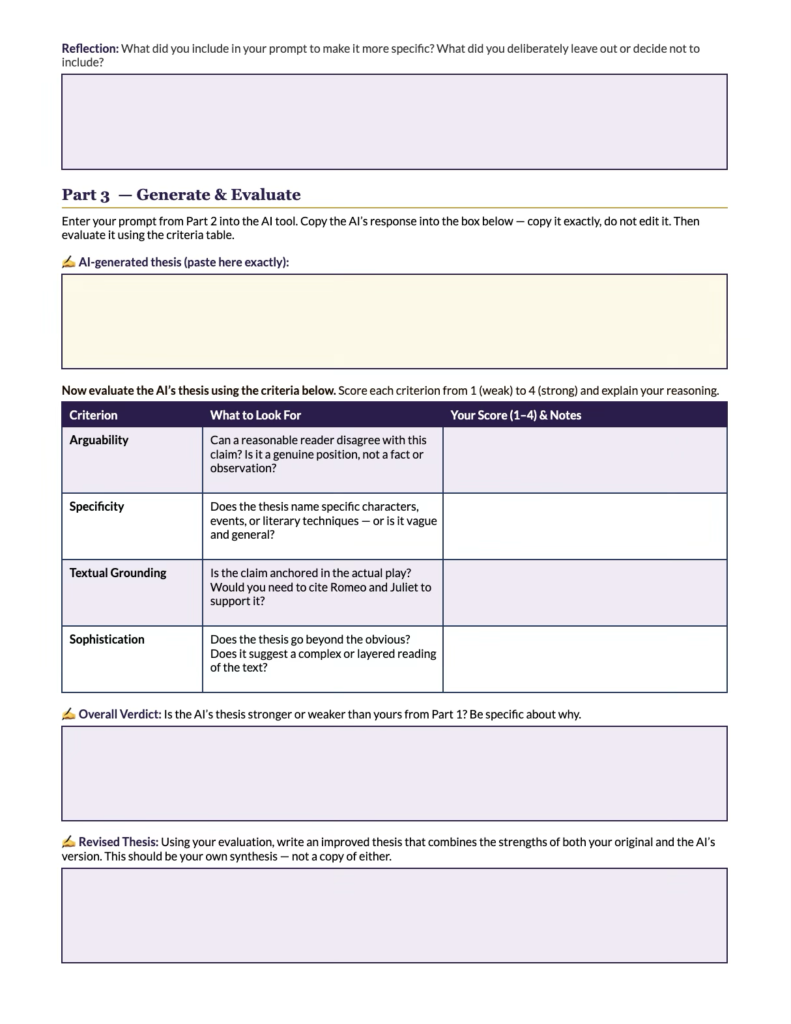
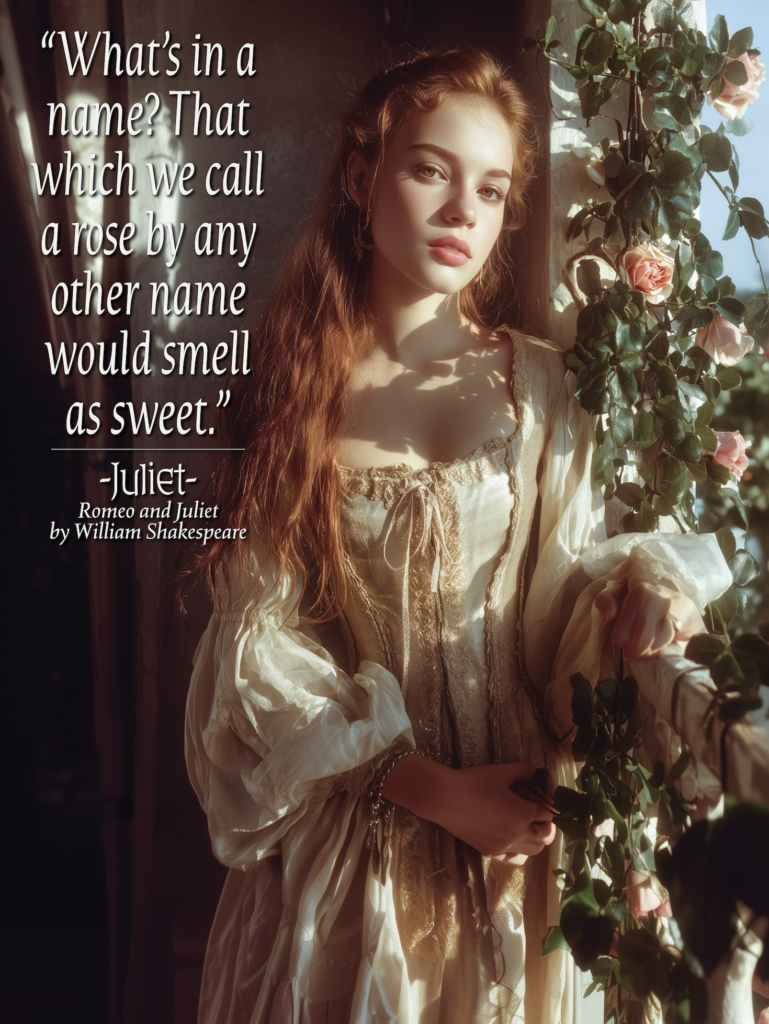
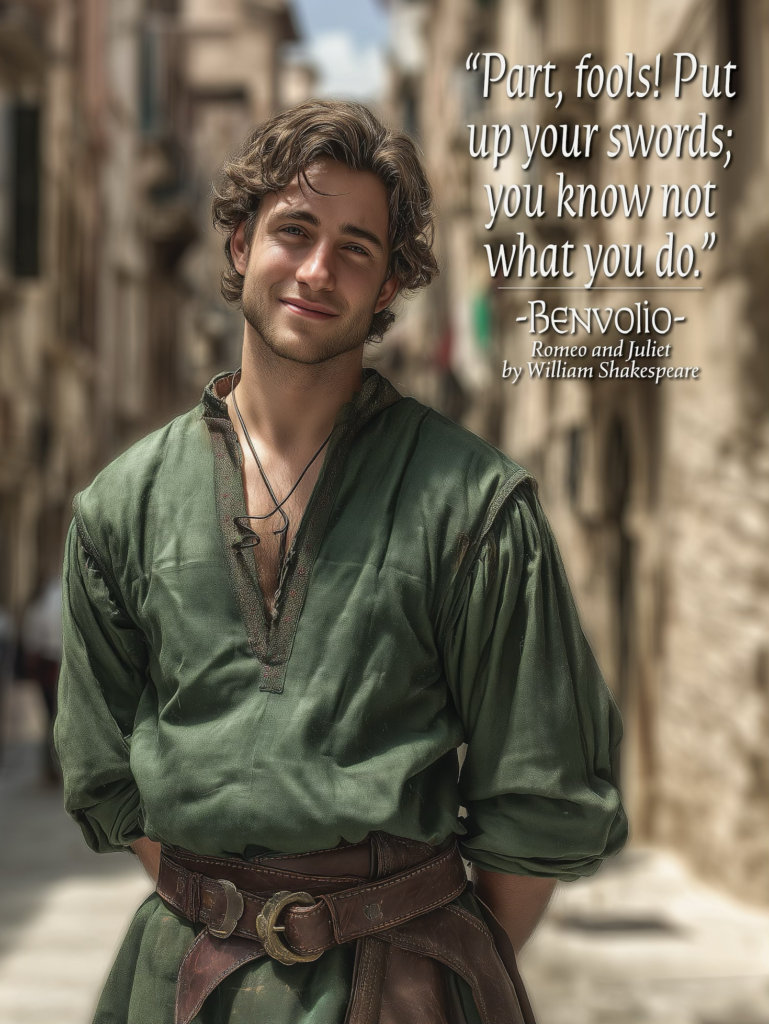
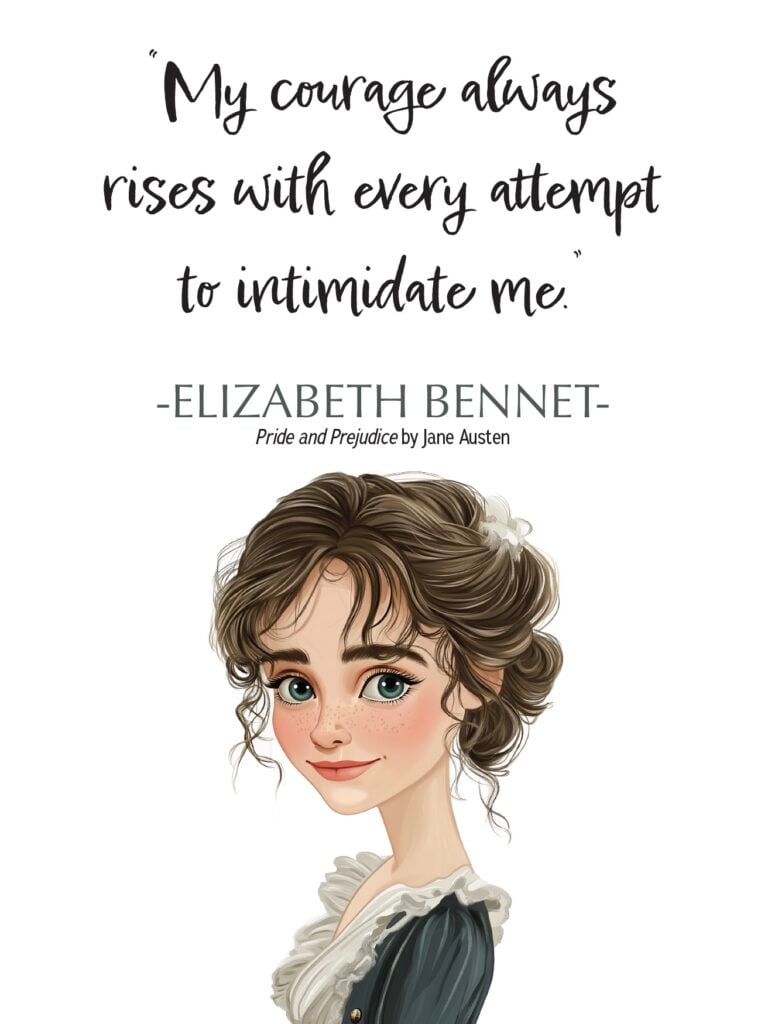
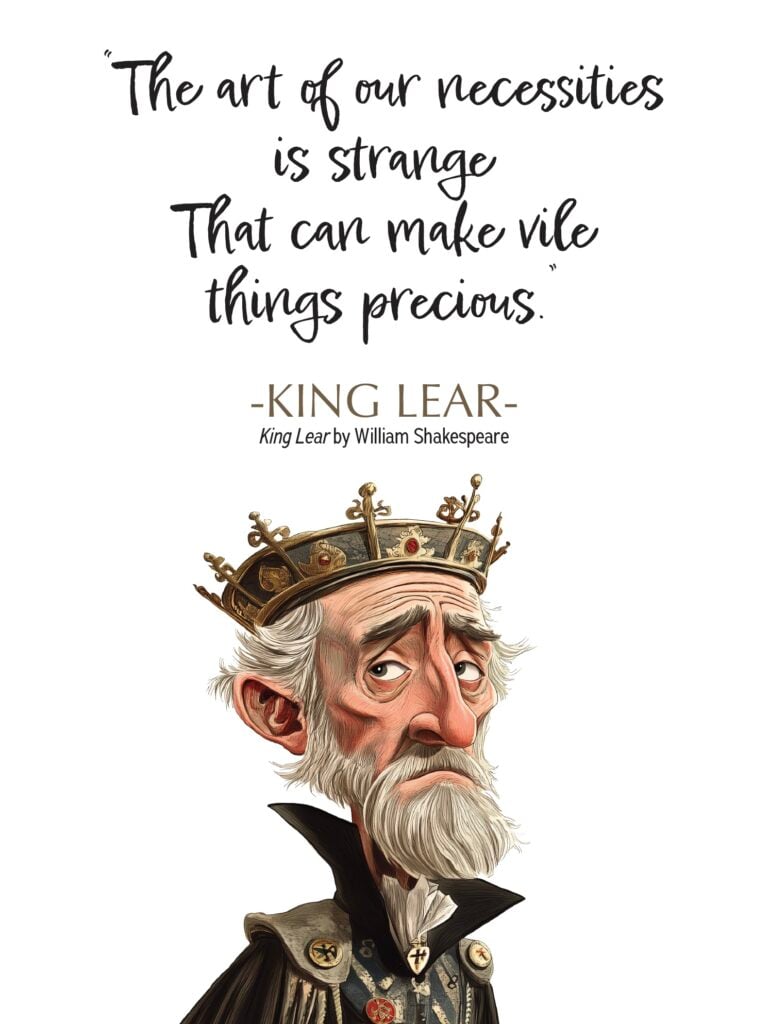
This unit includes a 15-day pacing guide, a 58-slide instructional slideshow with built-in teaching content, 18 character posters, 8 student activity sheets, three persuasive essay organizers with a graphic outline, a 50-point essay rubric, a higher-order unit quiz with a complete teacher answer key, 16 discussion cards across four thematic strands, and a complete unit resource guide with Virginia SOL standards alignment.
The unit is built around five essential questions that drive every activity, discussion, and writing task from Day 1 through the final assessment: What kind of hero is Odysseus — and do his flaws disqualify him? How do the gods shape Odysseus’s fate vs. his own choices? What does the epic argue about loyalty and what it costs? How does Odysseus’s identity change across the journey — and what does he return as? And what does this story reveal about human nature that still applies today?
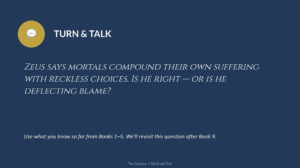
Students will analyze character quotations and connect them to epic themes, distinguish divine intervention from human choice, track the development of four major themes from the wanderings through the return, close-read Book 9 as the turning point of the epic, evaluate Odysseus against the standards of the epic hero, build and defend a written argument using textual evidence and MLA citation, address and rebut a counterargument in a full persuasive essay, and participate in collaborative discussion using structured discussion cards.
All student activity sheets are formatted with table cells and structured response boxes for student writing, making this unit fully compatible with Google Classroom, Canvas, Schoology, and other digital platforms.
What’s Included
Skills Covered
Students will practice:
Great For
Why Teachers Love It
This unit is comprehensive, rigorous, and classroom-ready at the 9th grade level. The 15-day pacing guide walks you through every class period — daily focus, essential questions, bell ringers, step-by-step activities, reading assignments, and exit tickets — so the planning is already done. And the slideshow actually teaches: it delivers historical context, literary concept instruction, key episode analysis, and worked writing examples on the slides themselves, not just a daily agenda.
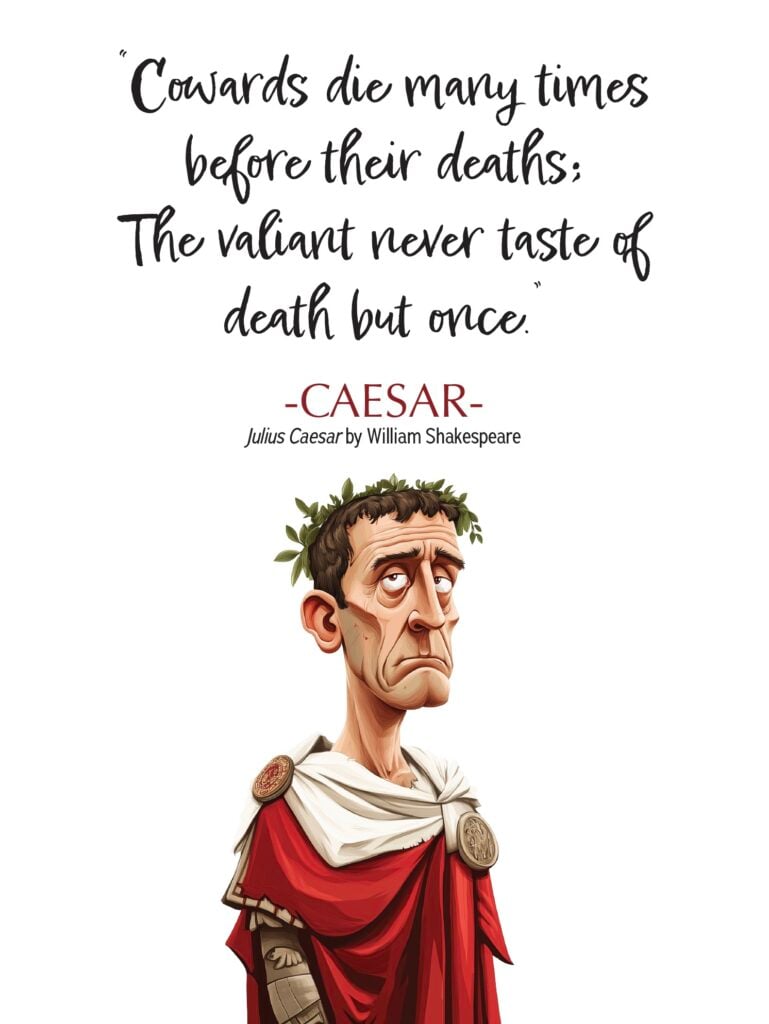
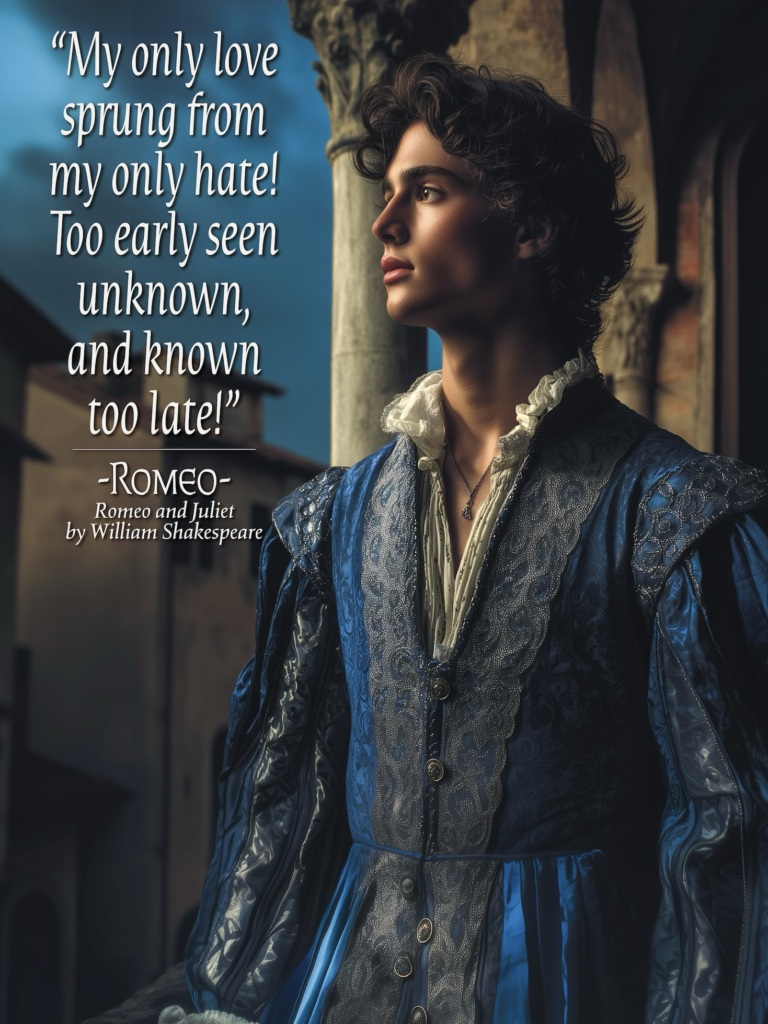
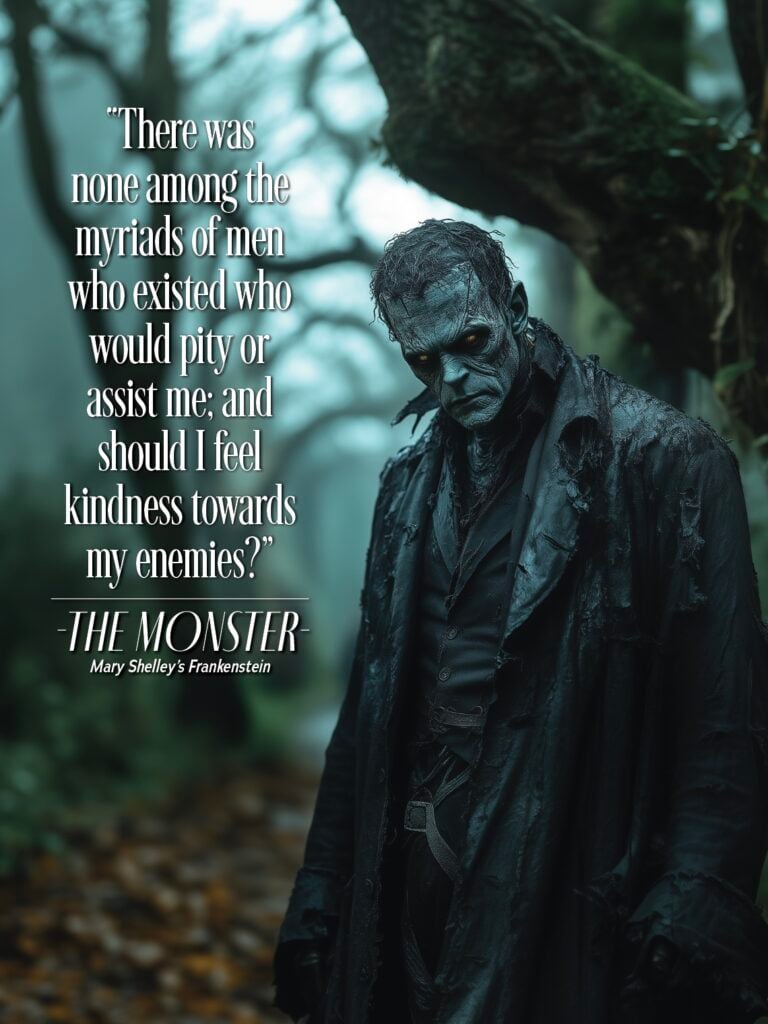
What makes this unit stand out is that its activities are built specifically for this epic rather than adapted from a generic template. With 18 characters spanning gods, monsters, loyal servants, and the suitors, the gallery walk gives students a structured framework — at least one god, one mortal, one other figure — and a fifth column unique to this text that asks what each quote reveals about Homer’s world rather than just the individual character. That question is harder and more interesting, and it pushes students toward the kind of thinking the essay prompts require.
Activity 05 (Key Scene Close Reading, Book 9) is where the unit earns its structure. The choice analysis table walks students through three specific decisions Odysseus makes — entering the cave, blinding the Cyclops, and shouting his real name — and asks for each: what was the alternative, what was the consequence, and what does it reveal? The fatal-flaw analysis that follows — why does Odysseus shout his name when he has already won? — is the question that separates a summary response from a genuine argument. Students who can answer it precisely are ready to write the essay.
Activity 06 (Epic Hero Tracker) is the unit’s most original contribution. Rather than simply defining the epic hero and moving on, it asks students to track each trait as both a strength and a potential flaw — and then to reckon with the fact that Odysseus gets home while his crew does not. That question drives the first essay prompt and consistently produces the strongest student writing in the unit.
The three essay prompts are calibrated for a full range of 9th graders and map directly onto the activities students have already completed. The organizers place scaffolding where students actually stall — in the analysis and explanation sections, not at the top. Every analysis box has specific sub-questions, the counterargument table has sentence starters in both columns, and the outline includes guiding prompts for the hook, body-paragraph explanation, and broader significance.
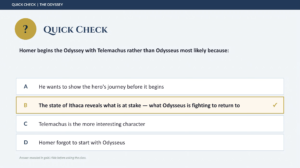
The unit quiz rewards the thinking the unit builds. Questions ask students to explain why the Sirens’ specific temptation is most dangerous for Odysseus in particular, to analyze why Homer gives the suitors names and last words before killing them, and to reason about the difference between justice and vengeance. The short-answer key distinguishes a response that describes what happened from one that argues why it matters.
Suggested Use
Please Note
This is a digital resource. No physical item will be shipped.
This resource does not include the full text of The Odyssey. It is designed to accompany your classroom reading of Homer’s epic using selected books. All activities reference book numbers consistently and are compatible with the Fagles translation (Penguin) or any standard classroom edition.
| Grade Level | 9, 10 |
|---|---|
| Subject | English Language Arts |
| Course | World Literature |
| Duration | Complete Unit, 15 Days |
| Format | PDF, Google Slides, Google Docs, PowerPoint |
| Skills | Literary Analysis, Close Reading, Writing |
/5
Total reviews
|
|
Persons recommended this product
Anonymous
Shopper
check_circle Verified
Shop owner replied
Was this helpful
Anonymous
Shopper
check_circle Verified
Shop owner replied
Was this helpful
There are no reviews yet.
Be the first to review “ ”
Your feedback helps us improve our service.
Only logged in customers who have purchased this product may leave a review
,
Page & Plot ELA is a store for teachers who want thoughtful, polished, classroom-ready resources without spending hours building everything from scratch. You’ll find complete literature units, character posters, discussion activities, essay planning tools, classroom decor, and creative ELA projects designed to make teaching literature feel more manageable, more meaningful, and a little beautiful, too.

Come for the Resources.
Stay for the Community.
2025 Copyright Tech and Mortar, LLC